

Tennis Elbow (Lateral Epicondylitis): What Is It? How Is It Treated?


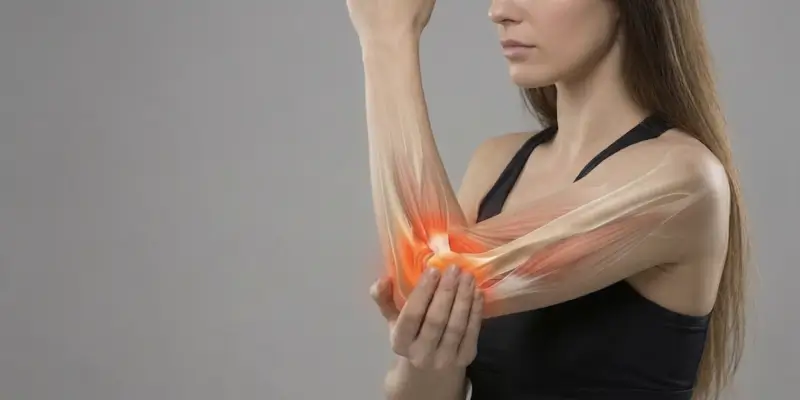
Pain around the elbow, especially when using the arm, can seriously affect quality of life. One of the most common of these complaints is lateral epicondylitis, known as “tennis elbow.” As the name suggests, it is common in people who play tennis, but it can also result from repeated movements in many occupations and in daily life. Computer users, people who do cleaning work, carpenters, cooks, people who do a lot of housework, and athletes who constantly use the wrist are among the at-risk groups.
Tennis elbow develops from strain of the tendons at the lateral epicondyle on the outside of the elbow. These tendons are the attachment point of the muscles that lift the wrist and fingers backward. Repeated strain and overuse cause microscopic tears in the tendon. Over time, degeneration develops in the tendon tissue and this causes pain and loss of function. Tennis elbow should therefore not be seen only as “muscle pain”; it requires a correct diagnosis and treatment plan.
What Is Tennis Elbow?
Tennis elbow, medically called lateral epicondylitis, results from damage to the tendons at the lateral epicondyle on the outside of the elbow due to repeated strain. These tendons are the attachment point of the muscles that move the wrist and fingers backward. Overuse of these muscles or movements done with poor technique therefore strains the tendon.
This strain first appears as microscopic tears and an inflammation-like picture. Over time, degeneration develops in the tendon structure and the condition can become chronic. Elasticity decreases, the tissue weakens, and pain increases. Tennis elbow is therefore not only “tendon inflammation” but also structural deterioration of tendon tissue.
Although tennis elbow is common in athletes, it is even more common in people whose work involves repeated wrist movements. The name “tennis elbow” can therefore be misleading. The condition is also common in people who do not play tennis and still requires treatment.
In Whom Is Tennis Elbow More Common?
Tennis elbow is more common between ages 35 and 55. The main reason is that tendon tissue loses elasticity with age and becomes more sensitive to repeated strain. The condition is not limited to this age group, however; it can occur at any age.
The most common groups are occupations that frequently use the wrist and fingers. Computer use, long work with keyboard and mouse, repeatedly lifting heavy objects, cleaning, carpentry, painting, and cooking can all lead to tennis elbow through repeated tendon strain. In athletes, especially those who play racket sports such as tennis, squash, and badminton, risk increases with poor technique, unsuitable equipment, or inadequate warm-up.
In some people, structurally weaker tendon tissue is also a risk factor. Tennis elbow is therefore related not only to activity but also to tendon structure and general health.
How Does Tennis Elbow Develop?
Tennis elbow starts with microscopic tears in the tendons of the muscles that lift the wrist backward, at their attachment on the outside of the elbow. These tears lead to degeneration of tendon tissue from repeated strain. The tendon structure is disrupted, elasticity decreases, and pain appears. This usually develops as a result of prolonged repeated movements.
In athletes, poor technique, unsuitable equipment, or inadequate warm-up create more strain on the tendon. In tennis, holding the grip too tightly, choosing the wrong racket, or playing for a long time on hard surfaces can cause repeated tendon strain. Technical adjustment is therefore important in both prevention and treatment in athletes.
Not only tendon strain but also factors that affect tendon nutrition play a role. Tendon tissue has less blood supply than muscle and heals more slowly. Even small injuries on the tendon can therefore continue for a long time and become chronic.
What Are the Symptoms of Tennis Elbow?
Tennis elbow usually presents with pain on the outside of the elbow. This pain increases with movements such as lifting the wrist backward, holding an object, turning a door handle, or opening a jar. These movements work the extensor muscle group and strain the tendon. Pain is usually localized to the outside of the elbow and may sometimes radiate into the forearm.
Patients often report weakness in the wrist. For example, they may feel the hand slipping or grip strength decreasing when holding or lifting something. Tenderness on the outside of the elbow and sensitivity to touch are also common. In later stages, pain may appear even at rest and seriously affect daily life.
Some patients may have morning stiffness in the wrist and pain in the elbow. This may be related to the tendon starting to be strained again after resting overnight. Pain increases especially during repeated movements and can reduce work or sports performance.
How Is Tennis Elbow Diagnosed?
Tennis elbow is usually diagnosed clinically. A detailed history of symptoms, which movements increase the pain, and work and sports history are important. On physical examination, tenderness on the outside of the elbow, pain when lifting the wrist backward, and weakness when holding an object are assessed.
When needed, imaging such as ultrasound or magnetic resonance imaging (MRI) may be used. These methods can show degeneration, tear, or inflammation in the tendon. In most cases, however, diagnosis is clinical and imaging is used only for differential diagnosis or treatment planning.
In differential diagnosis, nerve compression from the neck, shoulder problems, wrist tendon problems, or other elbow pathology should be considered. The source of symptoms should therefore be evaluated well. Correct diagnosis is the basis of correct treatment.
First Step in Treatment: Rest and Activity Modification
The basis of tennis elbow treatment is reducing strain on the tendon. The first step is therefore usually rest and activity modification. Reducing tendon strain in work or sports helps pain decrease and the tendon heal. Complete inactivity, however, can weaken the tendon, so the right balance is important.
In this period it is helpful for patients to work with correct technique, reduce movements that strain the wrist, and make ergonomic adjustments at work if needed. In athletes, technical correction, appropriate equipment, and a warm-up program become important. In tennis players, holding the grip correctly, choosing an appropriate racket, and using a correct stroke technique reduce load on the tendon.
Patience is important in this process. Tendon tissue heals more slowly than muscle, and repeated strain can quickly trigger symptoms again. Treatment therefore usually lasts from a few weeks to a few months.
Physical Therapy and Exercise: A Core Part of Treatment
Physical therapy is one of the most effective approaches in tennis elbow. The program aims to reduce pain, strengthen the tendon, and prevent repeated strain. Methods may include ultrasound, electrotherapy, and laser therapy. The most important part, however, is exercises that increase tendon loading in a controlled way.
The exercise program usually starts with light stretching and strengthening. Later, eccentric exercises (in which the muscle produces force while lengthening) come to the fore. Eccentric exercises support remodeling of the tendon and speed healing. When done at an appropriate dose and duration, they increase tendon durability.
During physical therapy it is also important to assess other parts of the upper limb, such as the shoulder and wrist. In some patients, elbow strain comes from imbalance in shoulder or wrist movement. The program should therefore cover the whole upper limb, not only the elbow.
Supportive Methods: Bands, Splints, and Injections
Supportive methods also play an important role. Special tapes or an epicondylitis band on the elbow can reduce tension at the tendon attachment and ease pain. These bands provide support in daily activities and help the patient move more comfortably. Wrist supports or splints may also be used in some cases.
When conservative treatments do not work, injection treatments may be considered. Corticosteroid injections can be effective in reducing pain in the short term, but frequent use can weaken the tendon and should be used carefully. Biological treatments such as PRP (platelet-rich plasma) may be used to support tendon healing. PRP is applied by injecting platelet-rich serum obtained from the patient’s own blood into the tendon region. This approach may provide long-term improvement in some patients, but the effect is not the same in every patient and the plan should be individualized.
When Is Surgery Needed?
Surgery is considered when conservative methods are insufficient, pain has continued for 6–12 months, and daily life is seriously restricted. The surgical approach involves cleaning the damaged part of the tendon, releasing it, and reconstructing the tendon when needed. These operations can usually be done with open or arthroscopic techniques.
Recovery after surgery may be longer than after conservative treatment, but with correct rehabilitation patients can return to daily life and sport. Physical therapy after surgery is important for strengthening the tendon and restoring range of motion. The patient needs to be patient and follow the program regularly.
How Long Does Treatment Last?
Treatment duration depends on how long symptoms have been present, the degree of tendon damage, adherence to treatment, and activity level. Treatment started early speeds healing and shortens the process. Recovery with conservative treatment usually lasts from a few weeks to a few months. In chronic cases it may take longer.
During treatment it is important for the patient to modify activities, follow the exercise program regularly, and reduce strain on the tendon. Some patients may need a change of work or activity during treatment. Staying in contact with the physician and physical therapist increases the effectiveness of the plan.
Factors That Affect Success
Success in tennis elbow treatment is determined by evaluating many factors together. These include duration of symptoms, degree of tendon damage, activity level, work and sports habits, and adherence to treatment. Starting the right treatment early shortens recovery. Reducing strain on the tendon in daily life and following the exercise program regularly also increase success.
In some patients, another underlying problem (for example nerve compression from the neck, shoulder problems, or wrist tendon problems) may cause elbow pain. The cause of symptoms should therefore be evaluated well. The plan should cover the whole upper limb, not only the elbow.
Advice and Protective Measures
Protective measures are as important as treatment. These measures reduce repeated strain and prevent the tendon from being injured again. First, correct technique and ergonomics should be provided in work or sports. In computer users especially, keeping the wrist in the correct position when using keyboard and mouse reduces excessive strain on the arm and elbow.
In athletes, appropriate equipment, correct warm-up, and correct technique are important. Holding the grip too tightly or choosing the wrong racket can create more strain on the tendon. Athletes should therefore review their technique and work with a coach if needed.
Regular exercise and muscle strengthening also increase tendon durability. Programs that strengthen the wrist and forearm muscles can reduce tennis elbow risk. These exercises are especially important for people whose work involves repeated strain.
Frequently Asked Questions
Frequently Asked Questions
No. The name comes from tennis, but it can occur in anyone who frequently uses the wrist and fingers. It is also common in occupations such as computer work, cleaning, and carpentry.
In early and mild cases it may improve with rest and correct exercise. Chronic cases require treatment. If untreated, symptoms can continue for a long time.
It can reduce pain in the short term, but repeated use can weaken the tendon and increase the risk of further injury. Corticosteroid injection should therefore be used in selected cases and in a controlled way.
In some patients it may support tendon healing. It does not have the same effect in every patient, and the plan should be individualized. PRP may be considered in cases that have not responded to conservative treatment.
Duration varies from patient to patient. It usually lasts from a few weeks to a few months. In chronic cases it may take longer. Regular exercise and activity modification shorten the process.
Yes. It can recur especially if strain on the tendon continues or technical/ergonomic errors persist. Protective measures and an exercise program after treatment are therefore important.
With correct rehabilitation and technical adjustment after surgery, recurrence risk can be reduced. If the tendon is strained again, symptoms can return. Protective measures remain important after surgery.
 WhatsApp
  Facebook
  Twitter
  Linkedin



 +90 505 398 34 34
 doctoryavuzarikan@gmail.com
 Book Appointment / Contact