

Why Do Limping, Gait Changes, and a Feeling of Leg Shortening Occur When Walking?


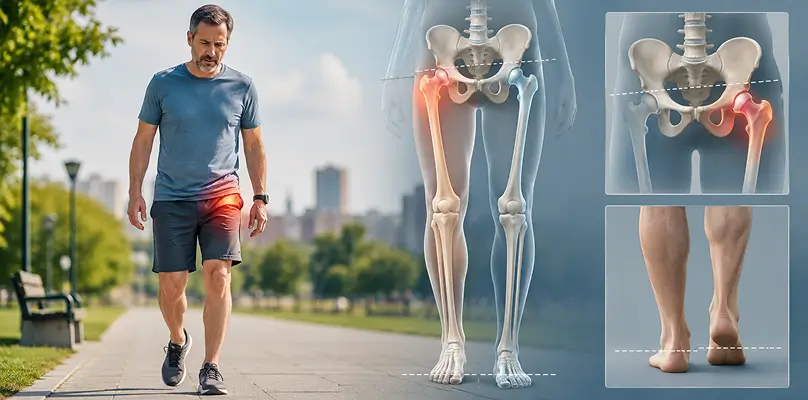
Limping, an uneven gait, or the feeling that one leg is shorter than the other are important orthopedic complaints that affect daily life. These signs do not only make walking harder; over time they can also place extra load on the low back, hip, and knee, and lead to postural problems and chronic pain.
In some people this picture develops from a short-lived muscle strain; in others it may be the first sign of underlying hip, knee, or spine disease. If symptoms last a long time, gradually worsen, or occur together with pain, they should be evaluated by an orthopedics and traumatology specialist.
This article covers the most common causes of limping, gait changes, and a feeling of leg shortening when walking, which signs matter, and treatment options.
What Are Limping and Gait Disturbance?
Limping is a disruption of the normal walking pattern. It often develops to reduce pain, avoid putting weight on a limb, or compensate for limited joint motion.
Some patients report that:
- They cannot fully bear weight on one foot,
- They feel one leg is shorter,
- Their balance is off while walking,
- They constantly lean to the same side.
These signs do not always mean a true difference in leg length. Muscle spasms, hip problems, or postural disorders can create the same sensation.
Does a Feeling of a Shorter Leg Always Mean True Shortening?
No. In a substantial number of patients, the shortening they feel and the true bone length may differ.
True leg-length discrepancy
In true leg-length discrepancy there is a measurable length difference between the two leg bones.
Causes may include:
- Congenital developmental disorders
- Childhood fractures
- Hip diseases
- Growth-plate injuries
- Previous surgery
Functional leg-length discrepancy
In this situation bone lengths are normal. However:
- Imbalanced hip muscle function,
- Spinal curvature,
- Pelvic tilt,
- Muscle spasms,
- Postural disorders
can create the feeling that one leg is shorter. Functional shortening can often be largely corrected with appropriate treatment.
How Do Hip Problems Affect Walking?
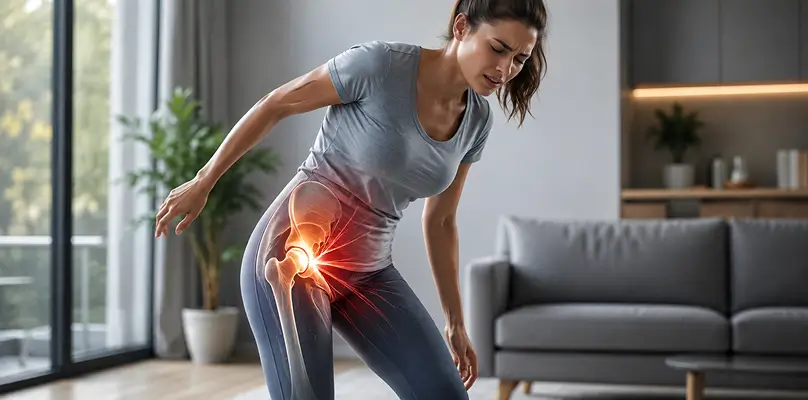
The hip joint is one of the most important components of walking. Many hip conditions can cause limping without the person realizing it.
The most common causes are:
Hip osteoarthritis
It develops as cartilage wears down.
Symptoms:
- Groin pain
- Stiffness in the hip
- Limited motion
- Limping on long walks
- Difficulty climbing stairs
Hip impingement (femoroacetabular impingement)
It is seen especially in young, active people.
Patients often describe:
- Sharp groin pain,
- A catching sensation in the hip,
- Difficulty sitting down and standing up.
Hip labral tears
They can cause pain and imbalance during hip motion and disrupt walking pattern.
Can Knee Diseases Cause Limping?
Yes.
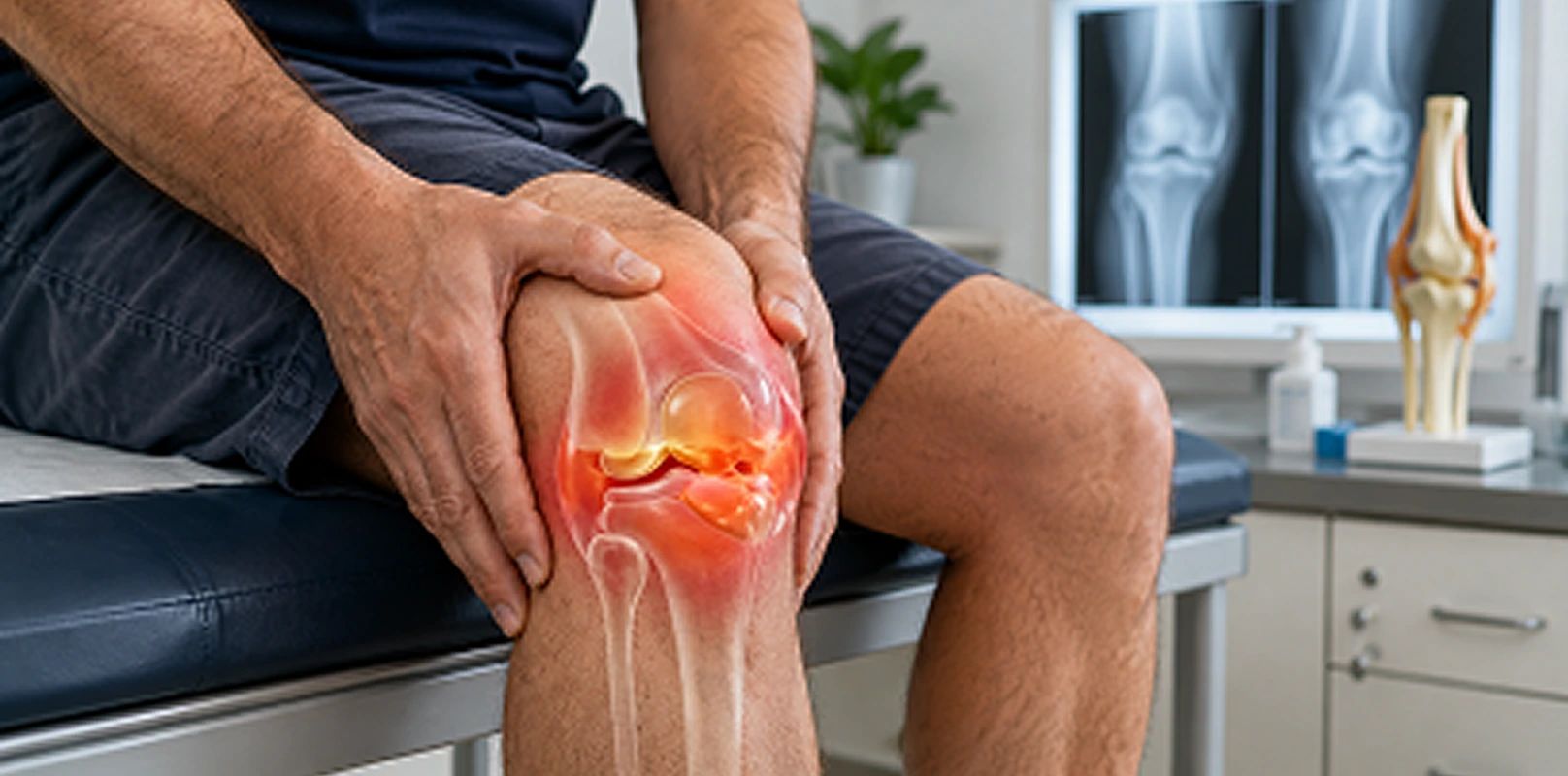
Many problems in the knee make weight-bearing difficult, so the person involuntarily changes how they walk.
The most common causes:
- Meniscus tears
- Anterior cruciate ligament injuries
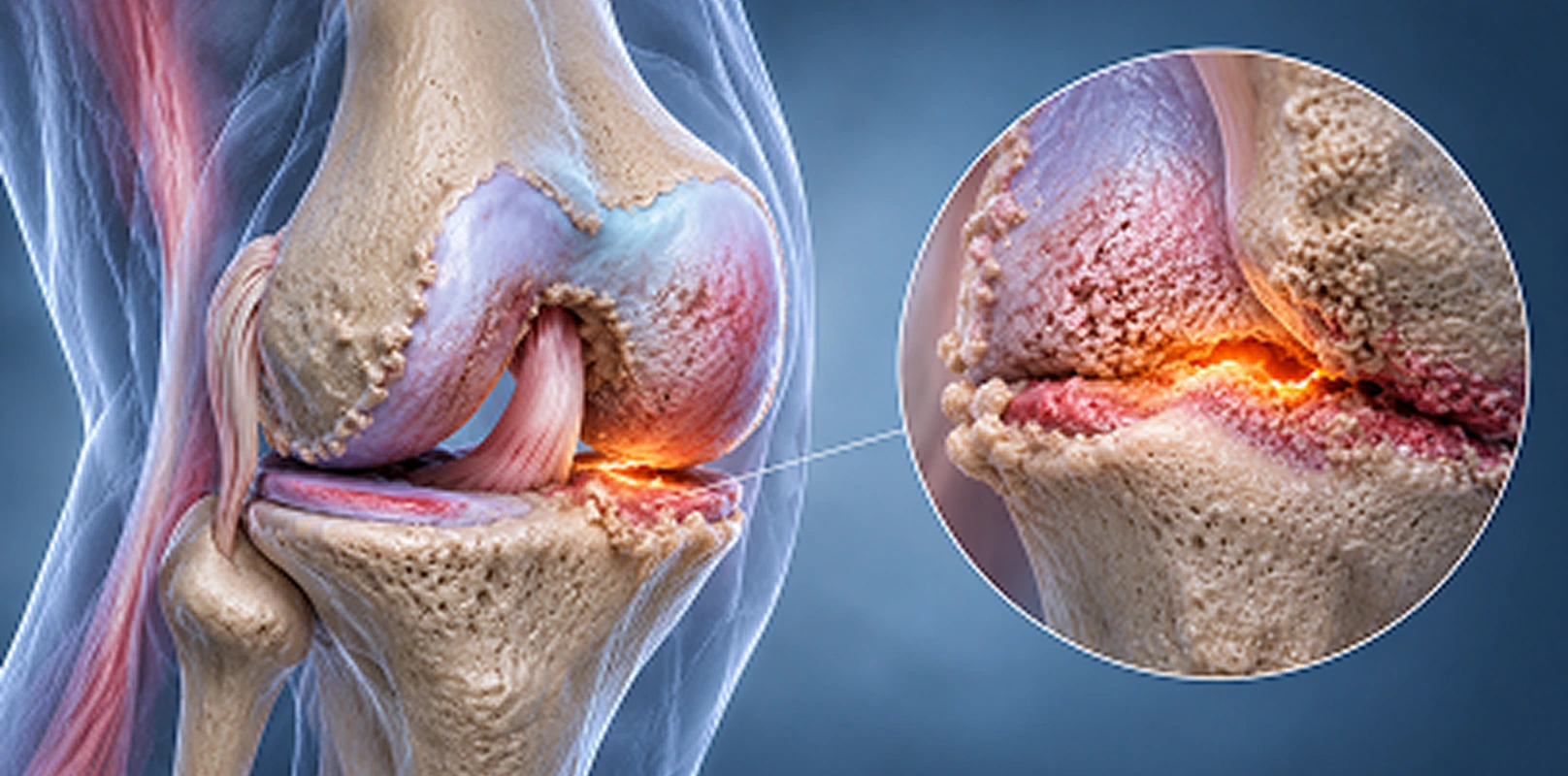
- Knee osteoarthritis
- Cartilage damage
- Fractures around the knee
In these patients, symptoms may become more noticeable especially when going up or down stairs.
Low Back and Spine Problems
A lumbar disc herniation or certain spinal conditions do not cause only back pain.
The following signs may be seen:
- Pain radiating to the hip
- Weakness in one leg
- Numbness
- Tingling
- Foot drop
- Limping
As nerve compression progresses, walking can become clearly impaired.
Muscle and Tendon Injuries
Muscles around the hip keep the body balanced during walking. Limping may develop in these situations:
- Muscle strains
- Muscle tears
- Tendinitis
- Bursitis
- Sports injuries
Limping that starts after sudden change-of-direction movements should always be evaluated.
Leg-Length Inequality
When a true difference in leg length is small, the person may not notice it. As the difference increases, signs such as:
- Constant leaning to the same side
- Low back pain
- Hip pain
- Knee pain
- Limping
- Uneven wear of shoe soles
may appear. When needed, custom insoles or surgical treatment may be planned.
Limping in Children Should Be Taken Seriously
Limping in children should not always be attributed to growing pains. Especially if there is:
- Fever
- Hip pain
- Inability to bear weight
- A history of trauma
- Night pain
an orthopedic specialist should be seen without delay.
When Should You See a Doctor Urgently?
If any of the following is present, evaluation should not be delayed:
- Sudden-onset limping
- Severe hip or knee pain
- Inability to bear weight
- Limping after trauma
- Joint pain together with fever
- Numbness or weakness in the leg
- Loss of bladder or bowel control
- A rapidly progressing feeling of leg shortening
These signs may indicate conditions that require urgent care.
How Is the Diagnosis Made?
A detailed physical examination is performed first to identify the cause of limping. Your doctor may:
- Analyze your gait.
- Measure leg lengths.
- Assess hip and knee motion.
- Examine muscle strength.
When needed:
- X-ray
- Magnetic resonance imaging (MRI)
- Computed tomography (CT)
- Ultrasound
- Blood tests
may be ordered. Accurate diagnosis is the first and most important step of effective treatment.
How Is Treatment Planned?
Treatment is determined entirely by the underlying cause. Possible methods include:
- Medication
- Physical therapy and rehabilitation
- Muscle-strengthening exercises
- Balance training
- Orthopedic insoles
- Injection treatments
- Surgery
Each patient’s plan should be individualized according to age, lifestyle, duration of symptoms, and the underlying condition.
What Should You Pay Attention to in Daily Life?
To support treatment and prevent symptoms from worsening, these suggestions may help:
- Maintain a healthy weight.
- Exercise regularly.
- Do not neglect muscle-strengthening movements.
- Avoid staying inactive for long periods.
- Do not force painful activities.
- Choose appropriate footwear.
- Do not use painkillers for a long time without a doctor’s advice.
These measures can help protect joint health and improve walking quality.
Conclusion
Limping, gait changes, and a feeling of leg shortening when walking can arise from many different causes, from muscle strain to hip and knee disease, spine problems, and true leg-length inequality. These signs are sometimes temporary, but if they last a long time or gradually worsen, they should be evaluated.
With early diagnosis, many orthopedic conditions can be treated without surgery. If you notice a clear change in your walking, cannot fully bear weight on one leg, or feel a length difference between your legs, seeing an orthopedics and traumatology specialist for accurate diagnosis and an appropriate treatment plan is important for a healthy recovery.

Specialist Opinion
Limping, gait changes, and a feeling of leg shortening when walking can arise from many different causes, from muscle strain to hip and knee disease, spine problems, and true leg-length inequality. These signs are sometimes temporary, but if they last a long time or gradually worsen, they should be evaluated.
With early diagnosis, many orthopedic conditions can be treated without surgery. If you notice a clear change in your walking, cannot fully bear weight on one leg, or feel a length difference between your legs, seeing an orthopedics and traumatology specialist for accurate diagnosis and an appropriate treatment plan is important for a healthy recovery.
Contact us to have your symptoms assessed and to learn about treatment options that may be right for you. Get in touch .
Frequently Asked Questions
Limping may develop to reduce pain, avoid putting weight on a limb, or compensate for limited joint motion. Hip and knee disease, spine problems, muscle and tendon injuries, and leg-length inequality are common causes.
No. A measurable difference between the bones is true leg-length discrepancy. Muscle imbalance, spinal curvature, pelvic tilt, muscle spasm, or postural problems can create a functional sense of shortening even when bone lengths are normal.
Yes. Hip osteoarthritis, femoroacetabular impingement, and labral tears can cause pain, limited motion, or imbalance and disrupt walking pattern.
If a child has limping together with fever, hip pain, inability to bear weight, a history of trauma, or night pain, it should not be dismissed as growing pains, and an orthopedic specialist should be seen without delay.
Sudden-onset limping, severe hip or knee pain, inability to bear weight, limping after trauma, joint pain with fever, numbness or weakness in the leg, and loss of bladder or bowel control require urgent evaluation.
Treatment is individualized according to the underlying cause. Medication, physical therapy, muscle strengthening and balance exercises, orthopedic insoles, injections, or surgery when needed may be used.
 WhatsApp
  Facebook
  Twitter
  Linkedin



 +90 505 398 34 34
 doctoryavuzarikan@gmail.com
 Book Appointment / Contact