

Grinding Sounds from the Knee and Arthritis


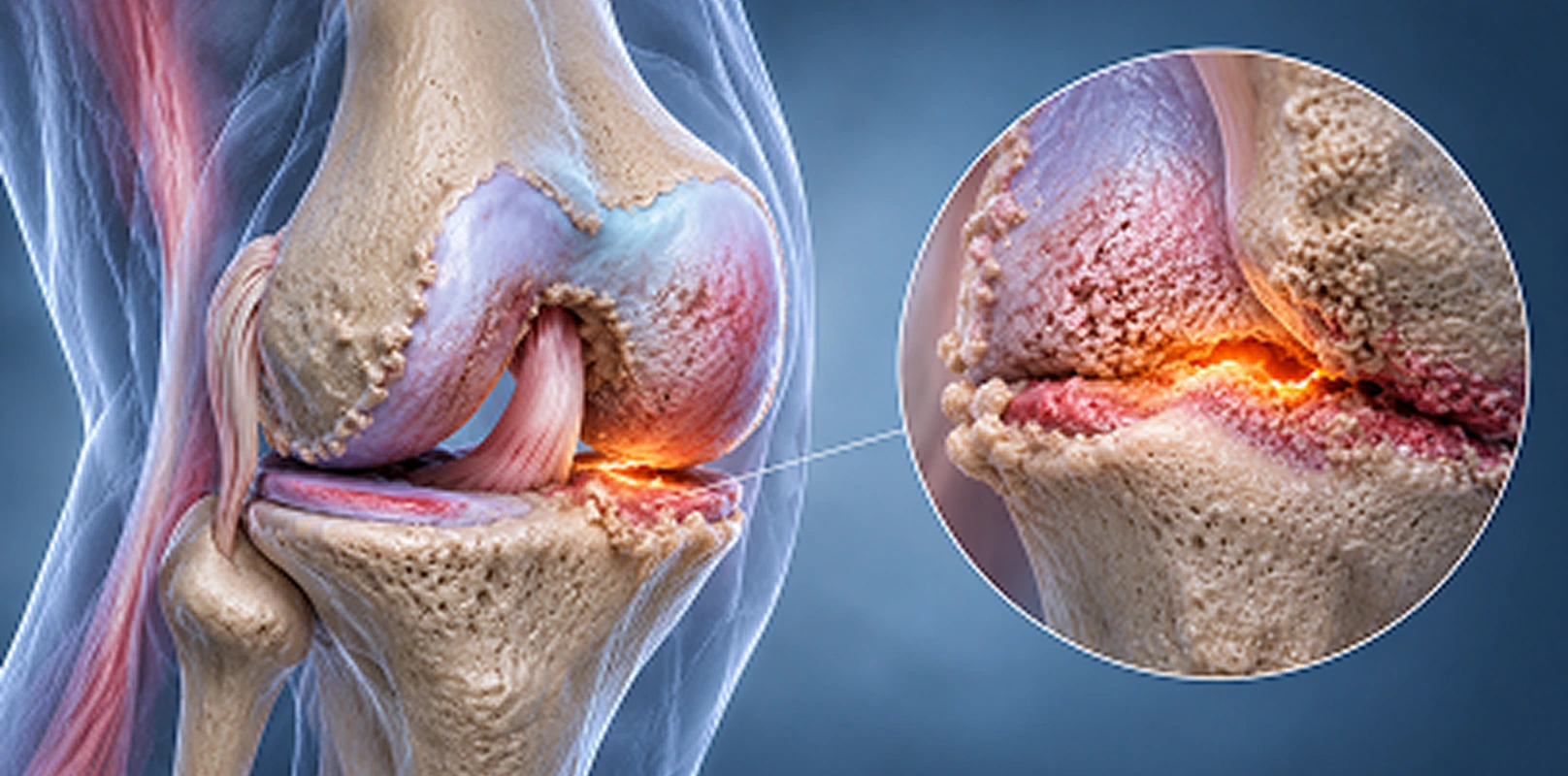
The knee is one of the joints that carries the heaviest load and moves the most in the body. For this reason, hearing sounds such as “grinding,” “crunching,” “crackling,” or “rattling” in the knee over time is quite common. Many people regard these sounds as only a natural result of aging. In some situations, however, these sounds may be an early sign of an important pathology such as cartilage wear and osteoarthritis in the knee.
This article covers the relationship between grinding sounds from the knee and osteoarthritis, the causes, diagnostic methods, and treatment options.
What Is a Grinding Sound from the Knee?
A grinding sound from the knee is described as a sound formed when two surfaces rub against each other during joint movement. These sounds usually appear when the knee is bent or straightened. They may be felt as “clicking,” “crackling,” “crunching,” or “grinding.” Some people only hear this sound during movement; others can both hear and feel it.
Sound from the knee is not always pathological. If pain, swelling, locking, or limited motion accompanies the sounds, however, this may be a sign of a problem.
The Relationship Between Grinding Sounds and Osteoarthritis
Osteoarthritis is a chronic joint disease that develops as cartilage in the knee wears down and joint surfaces deteriorate. As cartilage wears, joint surfaces become rough and friction increases during movement. This can cause a grinding sound from the knee.
During osteoarthritis, the ligaments, tendons, and capsule around the joint are also affected. Inflammation and degenerative change in these tissues lead to complaints such as stiffness, pain, and limited motion in the knee.
The Most Common Causes of Sound from the Knee
The causes of a grinding sound from the knee are not limited to osteoarthritis. The following situations can also lead to sound in the knee:
1. Cartilage Damage and Surface Roughening
Cartilage damage causes the joint surface to become rough. In this situation, joint surfaces rub against each other during movement and sound is produced. Cartilage damage can develop after a meniscus tear or trauma.
2. Meniscus Tear
Meniscus tears can cause sound in the knee. A fragment of the tear moving inside the joint can create a “clicking” or “rattling” sensation. Meniscus tears can also present with locking and catching.
3. Patellofemoral Pain Syndrome
Poor tracking of the joint surface between the kneecap and the thigh bone can cause the kneecap to move in the wrong position. This can lead to grinding and sound in the knee. Patellofemoral pain syndrome is usually seen together with pain and stabbing around the kneecap.
4. Tendon and Ligament Problems
Tendons and ligaments around the knee can make sound by rubbing against the joint surface during movement. Structures such as the iliotibial band and the patellar tendon in particular can produce sound during knee motion.
5. Gas Bubbles and “Crepitus”
Gas bubbles that accumulate inside the joint can pop with sudden movements and produce sound. This is usually harmless and does not occur together with pain. If this sound is present on its own, it is generally not a cause for concern.
Osteoarthritis Symptoms: What Should Accompany the Sound?
In patients with knee osteoarthritis, usually not only sound but also the following signs are seen:
- Pain in the knee (especially when load is applied)
- Morning stiffness (short-lived)
- Pain that increases on stairs
- Stiffness and limited motion in the knee
- Swelling or increased fluid inside the joint
- A “catching” sensation in the knee
If these signs are present, the likelihood of osteoarthritis in the knee increases.
How Is the Diagnosis Made?
In patients with a grinding sound from the knee and suspected osteoarthritis, diagnosis starts with a detailed history and physical examination. Your doctor asks when the sound occurs, which movements increase it, and what accompanying complaints there are. Then range of motion, pain points, and stability are assessed.
Imaging methods are important for diagnosis:
-
X-ray: The basic diagnostic tool for osteoarthritis. Findings such as cartilage loss, joint-space narrowing, and osteophyte formation are seen on X-ray.
-
MRI (magnetic resonance imaging): Used to evaluate cartilage damage, meniscus tears, and ligament problems.
-
Ultrasound: Can help with soft-tissue problems such as tendon issues and bursitis.
Osteoarthritis Treatment: Addressing the Cause Behind the Sound
The aim of treating knee osteoarthritis is to reduce pain, preserve joint function, and slow progression. Treatment is usually planned under these headings:
1. Lifestyle and Weight Control
Weight directly increases the load on the knee. In overweight patients, osteoarthritis progresses faster. Weight control reduces pain in the knee and prolongs joint life.
2. Exercise and Physical Therapy
In osteoarthritis, muscle strengthening, flexibility, and balance exercises are very important. Strengthening the quadriceps and hip muscles in particular reduces the load on the knee and brings pain under control.
3. Medication and Supportive Treatments
When needed, anti-inflammatory drugs and painkillers may be used under a doctor’s supervision. Intra-articular injections (such as hyaluronic acid or PRP) may also help some patients.
4. Orthoses and Knee Braces
Braces or orthotics that change load distribution in the knee may help especially if there is pain on the inner or outer part of the knee.
5. Surgical Options
In patients with advanced osteoarthritis who do not respond to conservative treatment, surgical options come into consideration. Methods such as arthroscopic debridement, osteotomy, or knee replacement are chosen according to the patient’s age and the degree of osteoarthritis.
When Is Sound from the Knee a Serious Sign?
A grinding sound from the knee on its own is often not a serious situation. Specialist evaluation is needed, however, if:
- Pain, swelling, or locking accompanies the sound
- There is limited motion and stiffness in the knee
- The sound started after trauma
- There is instability or a giving-way sensation in the knee
- Night pain and increased warmth are present
These situations may indicate a more serious pathology such as osteoarthritis, a meniscus tear, or cartilage damage.
Conclusion
A grinding sound from the knee can often be a harmless situation. If pain, swelling, locking, or limited motion accompanies the sound, however, an important pathology such as cartilage damage and osteoarthritis in the knee should be considered. Early diagnosis and appropriate treatment are important for protecting knee health and improving quality of life.
If you have a grinding sound and pain in your knee, do not ignore it. With a correct evaluation, the underlying cause is identified and the most appropriate treatment plan for you is created.

Specialist Opinion
A grinding sound from the knee can often be a harmless situation. If pain, swelling, locking, or limited motion accompanies the sound, however, an important pathology such as cartilage damage and osteoarthritis in the knee should be considered. Early diagnosis and appropriate treatment are important for protecting knee health and improving quality of life.
If you have a grinding sound and pain in your knee, do not ignore it. With a correct evaluation, the underlying cause is identified and the most appropriate treatment plan for you is created.
Contact us to have your symptoms assessed and to learn about treatment options that may be right for you. Get in touch .
Frequently Asked Questions
No. Gas bubbles, tendon movement, or harmless crepitus can also make sound. If pain, swelling, locking, or limited motion is present, however, evaluation for cartilage wear and osteoarthritis is needed.
As cartilage wears down, joint surfaces become rough and friction increases during movement. This can lead to grinding, crackling, or crunching sounds.
Sounds that are painless and occur alone are often not concerning. If the sound started after trauma, or if pain, swelling, locking, or a giving-way sensation is present, specialist evaluation is recommended.
After history and physical examination, X-ray is the basic tool for osteoarthritis. MRI is used for cartilage, meniscus, and ligament problems; ultrasound may be used if tendon issues or bursitis are suspected.
Weight control, exercise, and physical therapy are the first step. If needed, medication, a knee brace, and intra-articular injections (hyaluronic acid, PRP) are used. In advanced cases, arthroscopy, osteotomy, or knee replacement may be considered.
Correctly planned exercises strengthen muscles and reduce the load on the knee. If pain, swelling, or locking is increasing, however, the program should be adjusted and a physician should be consulted.
 WhatsApp
  Facebook
  Twitter
  Linkedin






 +90 505 398 34 34
 doctoryavuzarikan@gmail.com
 Book Appointment / Contact