

Causes of a Slipping Sensation and Joint Instability in the Hip



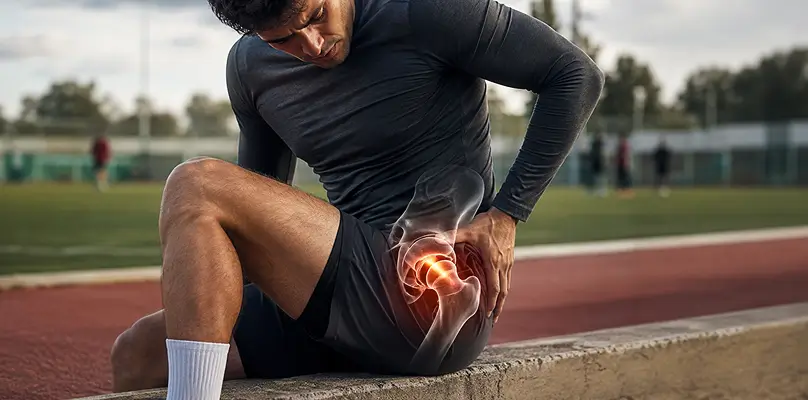
A slipping sensation in the hip and joint instability while walking, climbing stairs, or standing up are important orthopedic complaints that negatively affect many people’s daily lives. Some patients describe this as “My hip feels like it’s going to come out of place,” “I feel like it’s going to give way when I walk,” or “My hip feels like it’s not supporting me.”
This sensation may sometimes come from muscles not being strong enough, but it can also signal a structural problem in the hip joint. Especially when accompanied by pain, limping, or limited motion, a slipping sensation must be evaluated by an orthopedic and traumatology specialist.
In this article, we explain the most common causes of a slipping sensation in the hip, which symptoms matter, diagnostic methods, and available treatment options in detail.
What Is a Slipping Sensation in the Hip?
A slipping sensation in the hip can be defined as the person feeling that the hip joint is not moving normally or that the joint is not stable enough. This does not always mean a real dislocation or joint displacement.
Some patients:
- Feel that the hip has shifted position.
- Think there is a gap in the joint during movement.
- Feel insecurity when standing up.
- Describe the hip as giving way during sudden movements.
- Say they hear noise from the hip or feel catching.
The cause of these symptoms may come from muscles, ligaments, joint cartilage, or bone structure.
Hip Labrum Tear
The labrum, which surrounds the hip joint, is a cartilage structure that helps the joint work more stably. Tears in this tissue can cause a slipping sensation, especially in young and active individuals.
Symptoms include:
- Pain in the groin
- Catching in the hip
- A “click” during movement
- Discomfort with rotational movements
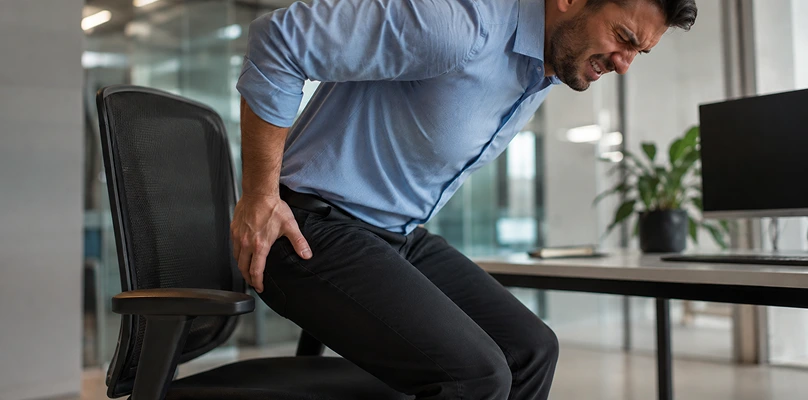
- Stabbing pain when sitting and standing
- A sense of joint instability
Labrum tears may appear together with sports injuries or hip impingement syndrome.
Hip Impingement Syndrome (Femoroacetabular Impingement)
This condition develops when the bony structures of the hip joint contact each other more than normal during movement. Over time, it can lead to joint damage and a sense of imbalance.
The most common symptoms are:
- Groin pain
- A pinching sensation in the hip
- Difficulty squatting
- Pain when getting into a car
- Discomfort when standing up after sitting for a long time
- Catching and slipping sensation in the hip
If untreated, labrum and cartilage damage can develop.
Muscle and Ligament Weakness
When the muscles that keep the hip joint balanced are not strong enough, a sense of joint instability can develop.
Risk factors include:
- Sedentary lifestyle
- Prolonged rest
- Sports injuries
- Muscle tears
- Weakness in the muscles around the hip
Reduced muscle strength may be felt more clearly especially when climbing stairs, standing on one leg, or during long walks.
Hip Dislocation and Previous Trauma
In people who have previously had a hip dislocation, fracture, or serious trauma, the joint structure may be affected.
These patients may have:
- A giving-way sensation in the hip
- Instability
- Pain during movement
- Limping
- Reduced range of motion
Ligament injuries after trauma can also cause similar symptoms.
Hip Arthritis
Wear of the cartilage in the hip joint over time can make it harder for the joint surfaces to move smoothly.
As a result:
- Groin pain
- Stiffness in the first steps
- A rubbing sensation during movement
- Joint instability
- Limping
may appear.
As arthritis progresses, daily activities may be affected more.
Avascular Necrosis (AVN)
Avascular necrosis develops when the blood vessels supplying the hip bone are damaged. In advanced stages, it can weaken the bone structure.
Patients may have:
- Deep groin pain
- A feeling of inability to bear weight on the hip
- Limping
- Limited motion
- A sense of joint imbalance
Early diagnosis is very important for protecting the joint.
Spine- and Nerve-Related Problems
Not every slipping sensation comes from the hip joint. Nerve compression in the lumbar spine can also cause weakness and imbalance around the hip.
Symptoms include:
- Back pain
- Pain radiating to the hip
- Numbness in the leg
- Tingling
- Reduced muscle strength
- Imbalance while walking
In this situation, both neurological and orthopedic evaluation may be needed.
Is Hip Noise Normal?
Some people notice a “click,” “pop,” or “snap” from the hip during movement.
Painless and occasional sounds often do not indicate a serious problem. However, evaluation should be done when:
- Noise occurs together with pain
- There is limited motion
- There is persistent catching
- There is a giving-way sensation in the hip
- Discomfort affects daily life
These symptoms may suggest labrum tear, tendon problems, or joint disease.
When Should You See a Doctor?
You should see an orthopedic specialist if any of the following is present:
- Persistent slipping sensation in the hip
- Severe groin pain
- Limping
- Inability to load the hip
- Symptoms that began after trauma
- Locking during movement
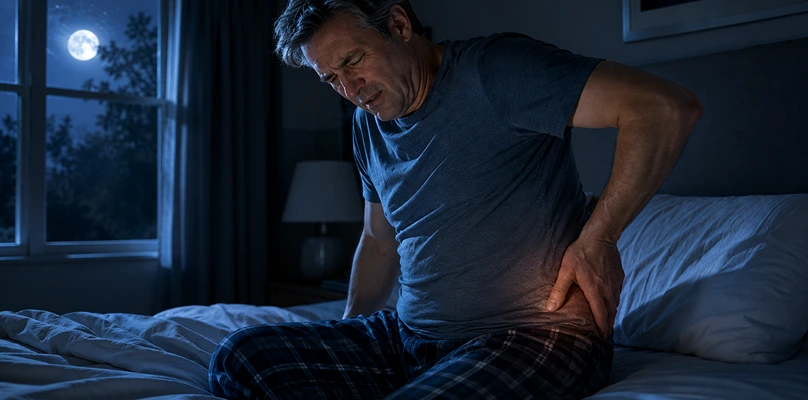
- Night pain
- Marked limitation of motion in the joint
Early evaluation can help prevent the underlying problem from progressing.
How Is the Diagnosis Made?
For diagnosis, a detailed patient history is taken first and a physical examination is performed.
During the examination, the doctor:
- Evaluates gait.
- Examines hip range of motion.
- Tests muscle strength.
- Applies special tests that assess stability.
When needed, the following imaging methods may be used:
- X-ray
- Magnetic Resonance Imaging (MRI)
- Computed Tomography (CT)
- Ultrasound
In some cases, advanced imaging methods or additional tests may also be requested.
How Is Treatment Done?
Treatment is planned entirely according to the underlying cause.
The main treatment options are:
- Activity modification
- Medication
- Physical therapy and rehabilitation
- Exercises that strengthen the muscles around the hip
- Balance and coordination work
- Injection treatments
- Surgery when needed
The treatment plan is personalized according to the patient’s age, lifestyle, and diagnosis.
What Can You Do to Protect Hip Health?
To protect your hip joint, you can follow these recommendations:
- Exercise regularly.
- Strengthen the hip and core muscles.
- Maintain a healthy weight.
- Avoid sudden and uncontrolled movements.
- Always warm up before sports.
- Avoid staying inactive for long periods.
- Do not continue demanding activities when pain occurs.
These habits can support joint stability and reduce the risk of injury.
Conclusion
A slipping sensation in the hip and joint instability can arise from many different causes, from muscle weakness to labrum tears, hip impingement syndrome, arthritis, and avascular necrosis. This sensation does not always indicate a serious problem, but it should not be ignored especially when accompanied by pain, limping, or limited motion.
With early diagnosis and the right treatment plan, many hip problems can be kept under control and joint function can be preserved. If you constantly feel your hip slipping, feel unstable while walking, or experience catching during movement, the best approach is to see an orthopedic and traumatology specialist for a detailed evaluation.

Specialist Opinion
A slipping sensation in the hip and joint instability can arise from many different causes, from muscle weakness to labrum tears, hip impingement syndrome, arthritis, and avascular necrosis. This sensation does not always indicate a serious problem, but it should not be ignored especially when accompanied by pain, limping, or limited motion.
With early diagnosis and the right treatment plan, many hip problems can be kept under control and joint function can be preserved. If you constantly feel your hip slipping, feel unstable while walking, or experience catching during movement, the best approach is to see an orthopedic and traumatology specialist for a detailed evaluation.
Contact us to have your symptoms assessed and to learn about treatment options that may be right for you. Get in touch .
Frequently Asked Questions
A slipping sensation in the hip means feeling that the joint is not stable enough or as if it might come out of place. It does not always mean a real dislocation; it may come from muscle, ligament, labrum, or bone.
Labrum tear, hip impingement syndrome, muscle and ligament weakness, previous trauma/dislocation, arthritis, avascular necrosis, and spine/nerve-related problems are among the common causes.
Painless and occasional sounds often do not indicate a serious problem. Evaluation is needed if pain, limitation, persistent catching, or a giving-way sensation is present.
You should see an orthopedic specialist if there is persistent slipping sensation, severe groin pain, limping, inability to bear weight, post-trauma symptoms, locking, night pain, or marked limitation of motion.
History and physical examination evaluate gait, range of motion, muscle strength, and stability. X-ray, MRI, CT, or ultrasound may be requested when needed.
Depending on the cause, activity modification, medication, physical therapy, strengthening and balance exercises, injection, or surgery may be planned.
 WhatsApp
  Facebook
  Twitter
  Linkedin



 +90 505 398 34 34
 doctoryavuzarikan@gmail.com
 Book Appointment / Contact