

Why Does Hip Pain Occur When Sitting and Standing?


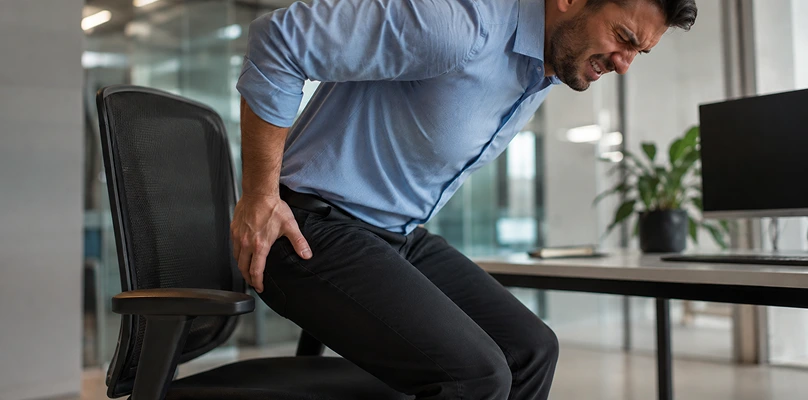
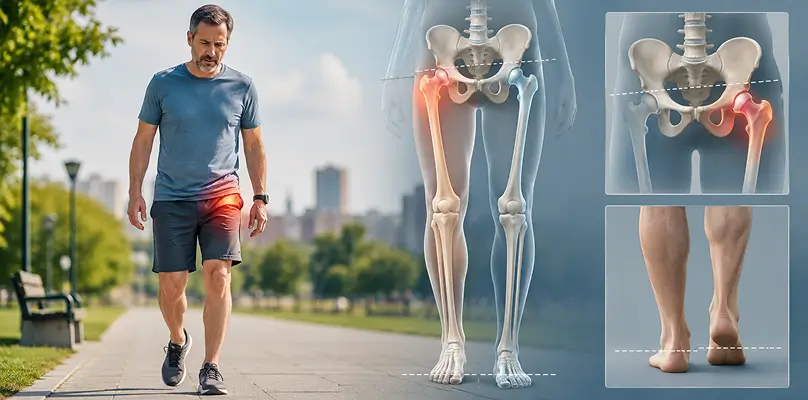
If you feel pain in your hip when getting up from a seated position, have difficulty taking the first few steps, or notice that your pain decreases as you move, you are not alone. Hip pain felt when sitting and standing is a common complaint seen in people of all ages. Sometimes it comes from muscle stiffness due to long inactivity, but it can also be the first sign of important orthopedic diseases affecting the hip joint.
The hip joint is one of the most important joints in the body for carrying load during daily movements such as walking, sitting, climbing stairs, and standing up. For this reason, any problem in the joint, muscles, tendons, or surrounding tissues can cause noticeable pain, especially when sitting and standing.
In this article, we explain the most common causes of hip pain when sitting and standing, which symptoms matter, diagnostic methods, and treatment options in detail.
Is Hip Pain When Sitting and Standing Normal?
Brief mild stiffness in the hip after staying inactive for a long time can sometimes be normal. Especially in desk workers or after long journeys, discomfort may be felt in the first few steps.
However, pain is not considered normal in the following situations:
- It repeats every day
- It intensifies over time
- It makes movement difficult
- It wakes you at night
- It radiates to the groin, back, or leg
- It limits daily activities
These signs may indicate an underlying orthopedic problem.
Hip Arthritis (Osteoarthritis)
Hip arthritis is one of the most common diseases causing pain when sitting and standing, especially in middle-aged and older individuals.
As the joint cartilage wears down over time, the bone surfaces come into more contact with each other. This causes pain and stiffness during movement.
Symptoms include:
- Pain when standing up after sitting
- Difficulty in the first steps
- Pain radiating to the groin
- Some relief as you move
- Limited motion in the hip
- Pain that increases with long walks
Treatment methods applied in the early period can slow disease progression.
Hip Impingement Syndrome (Femoroacetabular Impingement)
Hip impingement syndrome, common in young and active individuals, is one of the important causes of pain when sitting and standing.
It develops when the bony structures of the hip joint contact each other more than normal during movement.
Symptoms include:
- Stabbing pain in the groin
- Difficulty getting up from a chair
- Pain when squatting
- Discomfort during sports
- A catching sensation in the hip
- A “click” during movement
With early diagnosis, appropriate treatment can be planned before joint damage develops.
Hip Labrum Tear
The labrum is the cartilage structure surrounding the hip joint and increasing its stability.
Tears in this tissue can cause pain especially in the following situations:
- When standing up after sitting
- During rotational movements of the hip
- When getting into a car
- When putting on socks or shoes
- During sports activities
Some patients may also describe catching or locking in the hip.
Tendinitis and Bursitis
Inflammation of the tendons around the hip (tendinitis) or irritation of the fluid-filled sacs called bursae (bursitis) can cause noticeable pain during movement.
The most common symptoms are:
- Pain on the outer part of the hip
- Discomfort when lying on the side
- Pain when climbing stairs
- Difficulty standing up after sitting for a long time
- Tenderness when pressing the outer side of the hip
With the right treatment, most patients can return to daily life in a short time.
Muscle and Ligament Injuries
Strain in muscle and ligament tissue can develop after sudden movements, heavy exercise, or sports injuries.
In this situation:
- Sharp pain when standing up
- Discomfort that increases with movement
- Muscle spasm
- Tenderness
- Mild swelling
may be seen.
Recovery can be achieved with rest, an appropriate exercise program, and physical therapy when needed.
Herniated Disc and Nerve Compression
Not every pain felt in the hip comes from the hip joint.
Nerve compression in the lumbar region can also cause pain radiating to the hip.
If the following symptoms are present, spine-related problems may be considered:
- Back pain
- Pain radiating to the leg
- Numbness
- Tingling
- Muscle weakness
- Complaints that increase with long sitting
Detailed orthopedic evaluation is important in this situation.
Avascular Necrosis (AVN)
Avascular necrosis should be kept in mind in long-standing hip pain, especially at a young age.
In this disease, which develops when bone blood supply is impaired:
- Groin pain
- Pain when standing up
- Limping
- Limited motion
- Night pain
may be seen.
Early diagnosis is very important for protecting the joint.
Pregnancy and Hip Pain
During pregnancy, hormonal effects cause loosening in connective tissue. In addition, the load created by the growing uterus can cause pain in the hip and pelvic region.
During this period:
- Difficulty when sitting and standing
- A pressure sensation in the hip
- Groin pain
- Pain felt together in the back and hip
may appear.
If symptoms are severe, evaluation by an obstetrician and, when needed, an orthopedic specialist is essential.
When Should You See a Doctor?
If any of the following is present, you should see an orthopedic specialist without delay:
- Pain lasting longer than three weeks
- Pain that wakes you at night
- Inability to bear weight on the hip
- Pain that developed after trauma
- Joint pain with fever
- Inability to stand up
- Limping
- Severe pain radiating to the groin
With early evaluation, many diseases can be treated before they progress.
How Is the Diagnosis Made?
To determine the cause of hip pain, a detailed patient history is taken first and a physical examination is performed.
When needed, the following methods may be used:
- X-ray
- Magnetic Resonance Imaging (MRI)
- Computed Tomography (CT)
- Ultrasound
- Blood tests
Not every patient needs the same tests. The most appropriate studies are planned according to examination findings.
How Is Treatment Planned?
Treatment is determined entirely according to the cause of the pain.
The main treatment options are:
- Medication
- Physical therapy and rehabilitation
- Muscle-strengthening exercises
- Activity modification
- Weight control
- Injection treatments
- Surgery when needed
The treatment plan is personalized according to the patient’s age, lifestyle, duration of symptoms, and underlying disease.
What Can You Do to Protect Hip Health?
Some recommendations that can help protect the hip joint are:
- Maintain a healthy weight.
- Exercise regularly.
- Avoid sitting in the same position for long periods.
- Do not skip warm-up before exercise.
- Do exercises that strengthen the hip muscles.
- Avoid sudden and demanding movements.
- Choose comfortable and supportive shoes.
These habits can both reduce existing complaints and help prevent new problems.
Conclusion
Hip pain felt when sitting and standing can arise from many different causes, from muscle strain to hip arthritis, impingement syndrome, labrum tears, and avascular necrosis. Treatments applied without identifying the cause correctly may not provide a lasting solution.
If pain has continued for a long time, is increasing, affects your walking, or radiates to the groin, it is important to see an orthopedic and traumatology specialist without delay. With early diagnosis and appropriate treatment, both pain control and protection of the hip joint are possible.

Specialist Opinion
Hip pain felt when sitting and standing can arise from many different causes, from muscle strain to hip arthritis, impingement syndrome, labrum tears, and avascular necrosis. Treatments applied without identifying the cause correctly may not provide a lasting solution.
If pain has continued for a long time, is increasing, affects your walking, or radiates to the groin, it is important to see an orthopedic and traumatology specialist without delay. With early diagnosis and appropriate treatment, both pain control and protection of the hip joint are possible.
Contact us to have your symptoms assessed and to learn about treatment options that may be right for you. Get in touch .
Frequently Asked Questions
Brief mild stiffness after long inactivity can sometimes be normal. However, if pain repeats every day, intensifies, wakes you at night, or radiates to the groin, evaluation is needed.
Hip arthritis, hip impingement syndrome, labrum tear, tendinitis and bursitis, muscle-ligament injuries, nerve compression from the spine, and avascular necrosis (AVN) are among the common causes.
Pain radiating to the groin often comes from the hip joint. Joint problems such as arthritis, impingement syndrome, labrum tear, or AVN should be evaluated.
You should see an orthopedic specialist if pain lasts longer than three weeks, wakes you at night, prevents weight bearing, follows trauma, is accompanied by fever, limping, or inability to stand.
A detailed history and physical examination are done first. X-ray, MRI, CT, ultrasound, or blood tests may be planned when needed; not every patient needs the same tests.
Depending on the cause, medication, physical therapy, exercise, activity modification, weight control, injection, and surgery when needed may be applied.
 WhatsApp
  Facebook
  Twitter
  Linkedin




 +90 505 398 34 34
 doctoryavuzarikan@gmail.com
 Book Appointment / Contact