

What Is Carpal Tunnel? What You Should Know and Treatment


What Is Carpal Tunnel Syndrome?
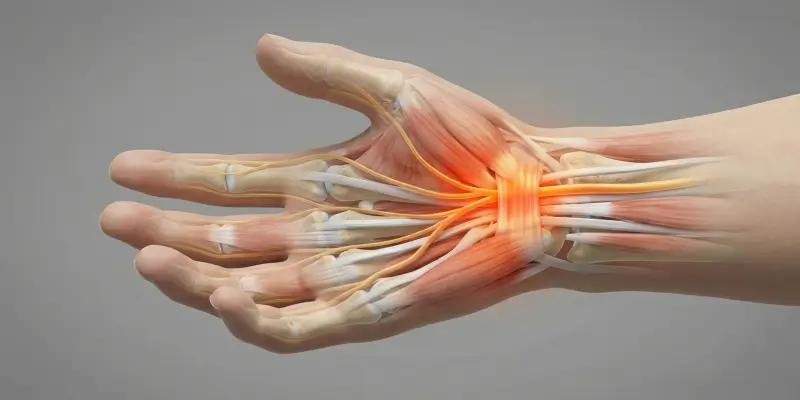
Carpal tunnel syndrome is one of the most common nerve-compression diseases, caused by pressure on the median nerve as it passes through a narrow anatomical canal at the wrist. This syndrome shows itself especially with numbness, tingling, pain, and loss of strength in the hand and fingers, and if untreated it can seriously reduce daily quality of life.
The structure at the wrist called the carpal tunnel is a narrow passage surrounded by bones and connective tissues. The median nerve and the tendons that move the fingers pass through this tunnel. When narrowing, swelling, or thickening occurs in this area for any reason, the nerve is compressed and symptoms of carpal tunnel syndrome appear.
This disease is seen more often especially in people who use computers, type on a phone for a long time, make repetitive hand movements, and do heavy handwork. Today, carpal tunnel syndrome is quite common in desk workers, office staff, homemakers, and people who work on production lines.
Carpal tunnel syndrome is not only temporary hand numbness; in later periods it is a serious orthopedic and neurological problem that can result in weakening of the hand muscles, reduced grip strength, and even permanent nerve damage. If early diagnosis and appropriate treatment are not applied, irreversible damage can develop in the nerve.
People with complaints such as wrist pain, numbness in the fingers, tingling in the hand that increases at night, and difficulty holding objects should therefore see a specialist without delay, which is of great importance for preventing progression of carpal tunnel syndrome.
2. Why Does Carpal Tunnel Form?
Carpal tunnel syndrome develops when the median nerve is exposed to pressure inside the narrow canal it passes through at the wrist. Many different factors can lead to this pressure, and several causes often come together to prepare the ground for the disease. Because the inner volume of the carpal tunnel is fixed, even the smallest narrowing in this area can create serious pressure on the nerve.
Repetitive Hand and Wrist Movements
Repetitive hand movements such as computer keyboard and mouse use, long messaging on a mobile phone, handwork, knitting, cleaning, and assembly-line work cause swelling of the tendons inside the carpal tunnel. This leads to compression of the median nerve and forms one of the most common causes of carpal tunnel syndrome.
Wrist Trauma and Fractures
After blows to the wrist, fractures, or dislocations, disruption of bone structure and swelling in the tissues can occur. These changes narrow the volume of the carpal tunnel and create continuous pressure on the median nerve. Bones that do not heal properly after a wrist fracture in particular increase the risk of carpal tunnel syndrome.
Rheumatic and Inflammatory Diseases
In inflammatory joint diseases such as rheumatoid arthritis, the tissues around the wrist thicken and swell. This increases pressure inside the carpal tunnel and causes compression of the nerve. Inflammation of the tendon sheaths also speeds the development of this syndrome.
Hormonal Changes
Hormonal changes such as pregnancy, menopause, and thyroid disease can lead to fluid retention in the body and swelling in the tissues. Carpal tunnel syndrome seen especially in pregnancy appears because of increased fluid accumulation at the wrist and creates temporary pressure on the nerve.
Diabetes and Metabolic Diseases
Diabetes increases the sensitivity of nerve tissue and makes the median nerve more sensitive to pressure. This can lead to carpal tunnel syndrome appearing earlier and with more severe symptoms.
Genetic and Anatomical Factors
Some people are born with a narrow carpal tunnel structure. This anatomical feature can cause compression of the nerve even with small swelling or strain. Carpal tunnel syndrome is more common in individuals with a family history.
What Are the Symptoms of Carpal Tunnel Syndrome?
Symptoms of carpal tunnel syndrome appear over time because of compression of the median nerve at the wrist and, if untreated, steadily become more severe. Complaints that are mild at the beginning can later seriously affect daily life and hand function.
Numbness and Tingling
The earliest and most common symptom is numbness and tingling felt in the thumb, index finger, middle finger, and half of the ring finger. Patients often describe this feeling as “an electric shock in the hand” or “pins and needles.” Numbness that wakes you from sleep at night is quite typical for carpal tunnel syndrome.
Pain That Increases at Night
Pressure on the median nerve becomes more obvious overnight. The reason is that the wrist stays in a bent position during sleep and fluid accumulation in the tissues increases. Patients feel the need to shake their hands because of night pain and numbness.
Reduced Hand Strength
In progressing carpal tunnel syndrome, the thumb muscles weaken. As a result, grip strength decreases and even simple tasks such as opening a bottle cap, turning a key, or buttoning become difficult. A complaint of frequently dropping objects can appear.
Numbness and Loss of Sensation
Numbness that is temporary at the beginning can become permanent over time. Sensation at the fingertips decreases and distinguishing hot from cold becomes harder. This increases the risk of injury especially when using sharp or piercing tools.
Muscle Wasting in the Thumb
In untreated advanced carpal tunnel syndrome, wasting (atrophy) can be seen in the muscles at the base of the thumb. This develops as a result of the nerve remaining under pressure for a long time and can lead to permanent loss of function.
Spread of Pain to the Arm
In some patients pain does not stay only in the hand; it can spread from the wrist to the forearm, elbow, and even the shoulder. This can cause carpal tunnel syndrome to be confused with other diseases such as cervical disc herniation.
How Is Carpal Tunnel Syndrome Diagnosed?
Diagnosis of carpal tunnel syndrome is made by assessing the patient’s complaints, physical-examination findings, and advanced investigations together. Correct and early diagnosis is extremely important for starting treatment before permanent nerve damage forms.
Patient History and Assessment of Complaints
The diagnostic process starts with the symptoms the patient describes. Night-increasing hand numbness, tingling in the fingers, reduced hand strength, and a history of dropping objects are quite typical for carpal tunnel syndrome. Which fingers are affected, how long the symptoms have lasted, and how they affect daily life are asked carefully.
Physical Examination Tests
In the examination by an orthopedic or neurology specialist, the function of the median nerve is assessed. The most frequently used tests are:
- Tinel test: A feeling of electricity spreading to the fingers when the wrist is tapped lightly.
- Phalen test: Appearance of numbness and pain when the wrists are held in a bent position for 30–60 seconds.
These tests are important clinical findings that suggest nerve compression inside the carpal tunnel.
EMG (Nerve Conduction Study)
EMG (electromyography) is of great importance in the definite diagnosis of carpal tunnel syndrome. This test measures the electrical conduction speed of the median nerve. When the nerve is compressed, conduction slows and the degree of damage can be determined clearly. With EMG, mild, moderate, and advanced carpal tunnel syndrome can be distinguished.
Ultrasound and MRI
Wrist ultrasound is quite useful in showing the thickness of the median nerve and the status of the tissues inside the carpal tunnel. When needed, MRI (magnetic resonance) is taken and masses pressing on the nerve, tendon swelling, or disorders in bone structure are assessed in detail.
Differential Diagnosis
Carpal tunnel syndrome can show similar symptoms to other diseases such as cervical disc herniation, nerve-root compression, and diabetic neuropathy. All possibilities are therefore considered in the diagnostic process and incorrect diagnosis is prevented.
How Is Carpal Tunnel Syndrome Treated?
Treatment of carpal tunnel syndrome is planned according to the stage of disease, the severity of complaints, and the degree of nerve damage. The aim is to reduce pressure on the median nerve, eliminate pain and numbness, and protect hand function. Correct treatment started early can give successful results without the need for surgery.
Rest and Activity Adjustment
In mild and moderate carpal tunnel syndrome, the first step is to limit movements that strain the wrist. Taking breaks in work that requires computer, phone, handwork, or heavy hand use reduces the load on the nerve.
Wrist Splint Use
Special wrist splints used at night and during the day keep the wrist in a neutral position and reduce pressure on the median nerve. They are quite effective especially in numbness and pain that increase at night.
Medication
Painkillers and anti-inflammatory drugs reduce swelling in the tendons and provide temporary relief. These drugs do not eliminate the underlying compression; they mainly provide symptom control.
Cortisone Injection
Cortisone injections into the carpal tunnel reduce swelling and inflammation and lighten the pressure on the nerve. In moderate-stage patients they can provide temporary or lasting relief.
Physiotherapy and Exercises
Exercises that strengthen the hand and wrist muscles can increase tendon flexibility and reduce pressure inside the carpal tunnel. Physiotherapy applications are effective especially in the early period.
Surgical Treatment (Carpal Tunnel Surgery)
In advanced carpal tunnel syndrome, or if there is no response to medication and splint treatment, surgery comes onto the agenda. Carpal tunnel surgery is the cutting of the ligament that compresses the nerve so that more space is opened for the median nerve. After this procedure, usually done under local anesthesia, rapid improvement in numbness and pain is seen.
Treatment Methods for Carpal Tunnel Syndrome
Treatment methods for carpal tunnel syndrome are determined according to the stage of disease, whether damage has developed in the median nerve, and how much the patient is affected in daily life. The aim is not only to reduce pain, but to eliminate pressure on the nerve lastingly and protect hand function.
1. Conservative (Non-Surgical) Treatments
In early and moderate carpal tunnel syndrome, the first preference is usually non-surgical methods.
Wrist splint:
Splints used especially at night keep the wrist in a straight position and reduce pressure inside the carpal tunnel. They largely control numbness and pain that cause waking at night.
Medication:
Painkillers and anti-inflammatory drugs reduce swelling in the tendon sheaths and temporarily lighten the pressure on the nerve. This method alone, however, does not provide a lasting solution.
Cortisone injections:
Corticosteroid injections into the carpal tunnel suppress swelling and inflammation and reduce pressure on the median nerve. They can be effective in moderate cases and delay the need for surgery.
Physiotherapy and exercise:
Special exercises that strengthen the wrist and hand muscles and stretch the tendons reduce the load inside the carpal tunnel. Physiotherapy methods such as ultrasound and manual therapy also contribute to lightening nerve compression.
Interventional and Supportive Methods
Ultrasound-guided injections:
Doing cortisone or other supportive injections under ultrasound guidance ensures that the drug reaches the correct point and increases treatment success.
PRP and biological treatments:
In some patients, biological applications such as PRP may be preferred to support nerve healing. These methods play a supportive role especially in patients who are not suitable for surgery.
Surgical Treatment (Carpal Tunnel Surgery)
In patients whose complaints continue despite medication, splint, and injections, or in whom advanced nerve damage is found on EMG, surgical treatment is the most effective method.
Carpal tunnel surgery is the cutting of the connective tissue that compresses the median nerve so that a wider space is opened for the nerve. It can be done with open or closed (endoscopic) techniques. After the procedure, because the pressure on the nerve is eliminated, numbness and pain decrease to a large extent.
How Is Carpal Tunnel Surgery Performed?
Carpal tunnel surgery is an effective, lasting procedure done to eliminate pressure on the median nerve. It is preferred in advanced carpal tunnel syndrome or when there is no response to non-surgical treatments. The aim is to widen the canal the nerve passes through, protect hand function, and prevent permanent nerve damage.
Preoperative Assessment
Before surgery, the patient’s complaints, physical-examination findings, and EMG (nerve conduction test) results are assessed together. Surgery is planned when there is clear slowing of nerve conduction, loss of muscle strength, and severe pain that wakes the patient at night.
The structures inside the carpal tunnel, tissue thickenings that compress the nerve, or masses are also examined in detail with ultrasound or MRI.
Carpal Tunnel Surgery
The basic principle of carpal tunnel surgery is the same:
The connective tissue that compresses the median nerve (the transverse carpal ligament) is cut so that more space is opened for the nerve.
This procedure can be done in two different ways:
1. Open carpal tunnel surgery
A small 2–3 cm incision is made on the inner side of the wrist. The ligament that compresses the nerve is seen directly and cut safely. Pressure on the nerve is eliminated immediately.
2. Endoscopic (closed) carpal tunnel surgery
This method is done with a camera through a smaller incision. Because less damage is done to tissue, recovery time is usually shorter. Not every patient, however, may be suitable for this method.
The success rate of both methods is quite high and long-term results are similar.
Duration of Surgery and Anesthesia
Carpal tunnel surgery is usually done under local anesthesia and lasts 20–30 minutes. The patient can be discharged the same day. General anesthesia is usually not needed.
Success Rate of Carpal Tunnel Surgery
Carpal tunnel surgery done with the right patient selection and appropriate technique is the most effective treatment that provides lasting relief. The success rate is above 90%, and the great majority of patients regain hand strength and quality of life.
Recovery and Life After Carpal Tunnel Syndrome
The recovery process after carpal tunnel syndrome varies with the treatment method applied, the stage of disease, and whether there is damage in the nerve. After correct treatment, most patients can return to daily life without pain and with function. There are, however, some important points to watch in this process.
The First Period After Surgery
After carpal tunnel surgery the hand is usually protected with a bandage for a few days. In this period:
- Finger movements are started immediately
- The hand is kept above heart level
- Cold application can be done to reduce swelling and pain
These simple measures help recovery be faster and smoother.
Recovery of Hand Function
Because the pressure on the median nerve is eliminated, numbness and night pain decrease in a short time in most patients. Hand strength and grip ability return gradually within a few weeks. In people who have had nerve damage for a long time, full recovery may take a little longer.
The Importance of Physiotherapy and Exercises
Hand and wrist exercises done in the postoperative period:
- Increase muscle strength
- Provide tendon flexibility
- Reduce the risk of adhesions and stiffness
These exercises speed functional recovery after carpal tunnel syndrome.
Return to Daily Life and Work
Patients can usually return:
- To light work within 1–2 weeks
- To desk work within 3–4 weeks
- To work that requires heavy hand use within 6–8 weeks
Not overstraining the wrist in the early period has a positive effect on recovery.
Reducing the Risk of Recurrence
After treatment of carpal tunnel syndrome, measures such as:
- Ergonomic working positions
- Regular breaks
- Wrist exercises
- Avoiding repetitive straining movements
greatly reduce the risk of the disease appearing again.
Long-Term Quality of Life
Carpal tunnel syndrome treated correctly does not become a permanent problem. Most patients continue normal life with pain-free, strong, functional hands. With early diagnosis and appropriate treatment, hand function is protected before nerve damage develops.
Can Carpal Tunnel Syndrome Be Prevented?
Carpal tunnel syndrome cannot always be completely prevented, but with correct living habits, ergonomics, and early measures the risk of it appearing can be greatly reduced. Protective measures are of great importance especially for people who use computers, do handwork, work in jobs that require heavy hand labor, and repeat the same wrist movements for a long time.
Ergonomic Working Habits
In people who work at a computer, keyboard and mouse position is extremely important. Keeping the wrists in a straight position and preventing the wrist from remaining constantly bent reduces pressure inside the carpal tunnel. Use of an ergonomic keyboard and mouse significantly reduces the load on the median nerve.
Regular Breaks and Exercises
In people who make repetitive hand movements for a long time, a break every 30–45 minutes is recommended. Doing hand and wrist stretching exercises in these breaks provides relaxation of the tendons and increased blood circulation. The risk of carpal tunnel syndrome thus decreases.
Avoiding Overstraining the Wrist
Lifting heavy loads, work that requires a tight grip, and use of vibrating tools can lead to microscopic damage at the wrist. This over time causes tendon swelling and nerve compression. Use of protective gloves and working with the correct technique are important.
Keeping Health Problems Under Control
Conditions such as diabetes, thyroid disease, rheumatic disorders, and obesity increase the risk of carpal tunnel syndrome. Keeping these diseases under regular control protects nerve and tendon health.
Attention to Night Wrist Position
The wrist remaining in a bent position overnight increases pressure on the median nerve. If needed, a light wrist splint used at night can prevent progression of carpal tunnel syndrome especially in the early period.
What Happens If Carpal Tunnel Syndrome Is Not Treated?
Carpal tunnel syndrome is a disease that can be controlled with simple methods in the early period, but if untreated it can lead to permanent, irreversible damage. When the median nerve remains under pressure for a long time, not only pain and numbness but permanent nerve damage that seriously affects hand function develops.
Numbness and Pain Become Permanent
Numbness and tingling that appear at night at the beginning turn over time into a condition that continues throughout the day. Pain can spread not only in the hand but to the forearm and shoulder. This seriously reduces daily quality of life.
Hand Strength and Grip Ability Are Lost
In untreated carpal tunnel syndrome, the muscles controlled by the median nerve weaken. The thumb muscles in particular lose strength. This leads to problems such as:
- Being unable to open a bottle cap
- Being unable to hold a key
- Frequently dropping objects
Muscle Wasting (Atrophy) Develops
In advanced stages, wasting begins in the muscles at the base of the thumb. This is the most important sign of long-term nerve damage. After muscle wasting develops, even if surgery is done, muscle strength may not return completely.
Permanent Loss of Sensation Can Occur
When the sensory fibers of the median nerve are harmed, loss of sensation develops at the fingertips. The patient may not feel hot, cold, or sharp objects adequately. This leads to becoming open to hand injuries.
Surgery Becomes Necessary
Carpal tunnel syndrome that could be controlled in the early period with a splint, medication, and injections, if untreated, progresses to a point that definitely requires surgery. Moreover, the healing effect of surgery done at this stage may be more limited than in the early period.
Quality of Life Falls Seriously
Constant pain, numbness, weakness, and reduced hand skill adversely affect work performance, daily activities, and sleep. If carpal tunnel syndrome is not treated, both work life and social life are seriously restricted.
Conclusion
Carpal tunnel syndrome is a serious condition that appears as a result of compression of the median nerve at the wrist and, if not noticed and treated in time, can lead to permanent loss of hand function. This disease, which starts with symptoms such as numbness, tingling, pain that increases at night, reduced hand strength, and loss of sensation in the fingers, can as it progresses cause wasting of the thumb muscles and clear restriction of daily activities.
In the diagnostic process, patient history, physical examination, EMG, and imaging methods are assessed together and the degree of nerve compression is determined. In early stages, successful results can be obtained with splint use, medication, injections, and physiotherapy; in advanced carpal tunnel syndrome, surgical treatment is the most effective and lasting solution. Carpal tunnel surgery largely corrects pain, numbness, and loss of strength by eliminating pressure on the median nerve.
After treatment, with appropriate exercises, an ergonomic working arrangement, and measures that protect wrist health, patients can return to their former quality of life. Carpal tunnel syndrome is a preventable and manageable disease; what matters is noticing the symptoms early and starting the right treatment in time.
Frequently Asked Questions

Specialist Opinion
Carpal tunnel syndrome is a serious condition that appears as a result of compression of the median nerve at the wrist and, if not noticed and treated in time, can lead to permanent loss of hand function. This disease, which starts with symptoms such as numbness, tingling, pain that increases at night, reduced hand strength, and loss of sensation in the fingers, can as it progresses cause wasting of the thumb muscles and clear restriction of daily activities.
In the diagnostic process, patient history, physical examination, EMG, and imaging methods are assessed together and the degree of nerve compression is determined. In early stages, successful results can be obtained with splint use, medication, injections, and physiotherapy; in advanced carpal tunnel syndrome, surgical treatment is the most effective and lasting solution. Carpal tunnel surgery largely corrects pain, numbness, and loss of strength by eliminating pressure on the median nerve.
After treatment, with appropriate exercises, an ergonomic working arrangement, and measures that protect wrist health, patients can return to their former quality of life. Carpal tunnel syndrome is a preventable and manageable disease; what matters is noticing the symptoms early and starting the right treatment in time.
Contact us to have your symptoms assessed and to learn about treatment options that may be right for you. Get in touch .
Frequently Asked Questions
In mild cases complaints may decrease temporarily, but as long as nerve compression continues the disease tends to progress. Appropriate treatment is needed for lasting recovery.
It is more common in people who use computers, do handwork, work in jobs that require heavy hand labor, and those with diabetes or rheumatic disease.
No. Carpal tunnel surgery is one of the most frequently performed procedures in orthopedics and hand surgery, with a high success rate.
Most patients can return to daily tasks within 1–2 weeks. Return of hand strength and full function may take several weeks.
In early-stage patients, a splint, medication, and injections can provide clear relief. In advanced stages, surgery is the most effective solution.
With appropriate treatment and ergonomic measures, the risk of recurrence is low. If habits that overstrain the wrist continue, however, it can be seen again.
Yes. Especially in people with risk factors, it can be seen in both hands.
Numbness that wakes you at night, reduced hand strength, loss of sensation in the fingers, and dropping objects should definitely be assessed.
Yes. Ergonomic work, regular breaks, wrist exercises, and keeping health problems under control greatly reduce the risk.
Untreated carpal tunnel syndrome can lead to permanent nerve damage, muscle wasting, and irreversible loss of hand function. Early diagnosis and treatment are therefore very important.
 WhatsApp
  Facebook
  Twitter
  Linkedin



 +90 505 398 34 34
 doctoryavuzarikan@gmail.com
 Book Appointment / Contact