

Robotic Knee and Hip Replacement


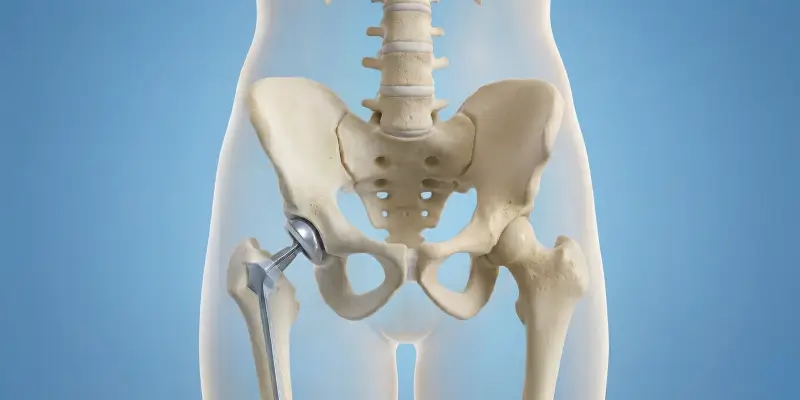
What Is Robotic Knee and Hip Replacement?
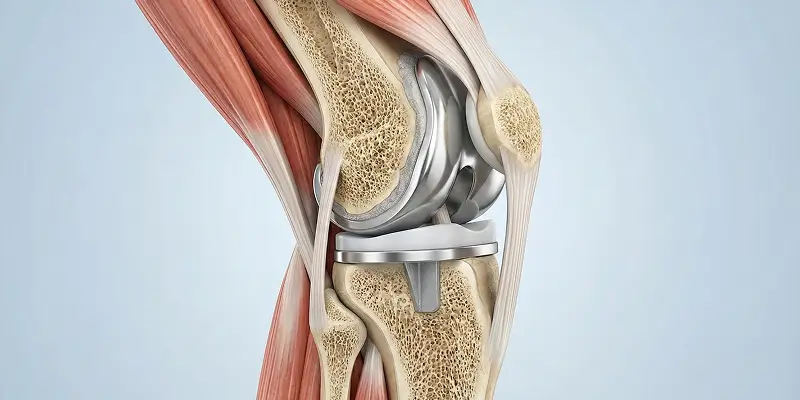
Robotic knee and hip replacement is a modern orthopedic application in which joint implants are placed precisely and individually using advanced robotic systems and computer-assisted surgical technologies. Compared with conventional replacement surgery, the robotic method positions the implant at the most suitable angle, depth, and alignment for the joint anatomy. This makes the implant longer-lasting, preserves joint stability, and reduces postoperative complications.
- Knee replacement: An implant is placed in place of cartilage and bone damaged by osteoarthritis or deformity. Robotic guidance ensures that each component is in the correct position and optimizes joint balance.
- Hip replacement: An implant is placed in patients with cartilage loss and joint deformity. The robotic system provides ideal alignment of the femoral head and acetabulum (hip socket), increasing both range of motion and stability.
In robotic knee and hip replacement, 3D imaging and computer-assisted planning allow the surgeon to plan patient-specific implant placement before surgery and then apply the implant precisely with robotic guidance. This method reduces pain, shortens recovery, and extends implant life.
Robotic knee and hip replacement stands out as a safe, effective option especially for patients with advanced osteoarthritis, joint deformities, a need for revision, or a wish to reduce postoperative complication risk.
Why Are Robotic Implants Preferred?
Robotic knee and hip replacements are preferred more often today because they offer high precision, individualized planning, and long-term success compared with conventional replacement surgery. Robotic systems provide the correct implant angle and alignment during surgery, optimizing joint function and reducing complication risk.
Precise Implant Placement
- Robotic surgery places the implant in full accordance with the joint anatomy.
- In knee replacement, the femoral and tibial components are positioned correctly; in hip replacement, the acetabulum and femoral head are positioned correctly.
- This precise placement increases joint stability and helps prevent early loosening or deformity.
Longer-lasting Implants
- Ideal angle and alignment of implant components minimize wear.
- Longer-lasting implants allow patients to move with less pain and more comfort for more years.
Faster Rehabilitation
- Minimal bone cutting and precise application protect surrounding tissues.
- Patients can return to daily activities in a shorter time after surgery.
- Robotic implants make postoperative pain control easier and rapidly increase mobility.
Lower Complication Risk
- Correct implant placement optimizes joint balance and alignment.
- Risk of implant dislocation, loosening, joint pain, or deformity therefore decreases.
- It offers a safe surgical option especially in older patients and those with joint deformity.
Individualized Treatment
- Robotic systems create a patient-specific surgical plan with 3D imaging and computer-assisted planning.
- Bone structure, joint space, and range of motion are analyzed so that the most suitable implant size and placement are determined.
Robotic knee and hip replacements therefore offer safer, longer-lasting, more functional joint health. They are among the best options for postoperative comfort and freedom of movement, especially for active people, athletes, and patients with advanced osteoarthritis.
When Is Robotic Knee Replacement Used?
Robotic knee replacement is an advanced orthopedic treatment preferred when the knee has serious damage or pain. Robotic systems place implants precisely and individually according to the patient’s knee anatomy, increasing joint function and providing long-term success.
Advanced Knee Osteoarthritis
- Serious wear of knee cartilage causes bone contact and severe pain.
- Robotic knee replacement reduces pain by placing a precisely aligned implant in place of worn cartilage and bone.
Knee Deformity or Leg-length Differences
- In patients with varus (inward) or valgus (outward) deformity, robotic planning optimizes bone cuts and implant placement.
- Correction of leg-length inequality improves walking function and preserves joint balance.
Failure of Previous Replacement Surgery or Need for Revision
- For patients who have had a previous knee replacement that failed, or who have loosening, pain, or loss of function, robotic systems provide high precision and safe planning in revision surgery.
Knee Pain and Limited Motion That Cannot Be Relieved Conservatively
- In patients whose pain or loss of function cannot be controlled with physical therapy, medication, and joint supports, robotic knee replacement offers a comprehensive, lasting solution.
Robotic knee replacement is an ideal treatment for patients who want both to reduce pain and to maximize joint function. Robotic systems make surgery safer, more accurate, and longer-lasting.
When Is Robotic Hip Replacement Used?
Robotic hip replacement is an advanced-technology surgical application preferred when the hip has serious damage, deformity, or pain. Robotic systems place the implant precisely and individually according to the joint anatomy, offering both functional recovery and long-term success.
Advanced Hip Osteoarthritis
- Excessive wear of hip cartilage and disruption of the joint surface lead to severe pain and limited motion.
- Robotic hip replacement replaces the joint surface evenly, reduces pain, and increases range of motion.
Hip Deformities and Post-traumatic Disorders
- Congenital hip deformities, joint disruption after fracture, or irregularities in the hip can make conventional implant applications difficult.
- Robotic systems place the implant in the ideal position with 3D imaging and computer-assisted planning and provide joint balance.
Revision of Previous Hip Replacements
- If a previously placed hip implant has failed, loosened, or dislocated, revision surgery can be complex.
- Robotic planning places revision implants precisely and safely, protects bone tissue, and provides a long-lasting result.
Hip Pain and Limited Motion That Cannot Be Relieved Conservatively
- In patients whose pain cannot be controlled with physical therapy, medication, or joint supports, robotic hip replacement offers maximum comfort and function as a surgical solution.
Athletes and People With an Active Lifestyle
- A robotic implant optimizes joint stability and range of motion, allowing people with intense physical activity to return to daily life more quickly and safely after surgery.
Robotic hip replacement therefore offers a safer, longer-lasting, more functional joint solution. It is one of the most ideal treatments for postoperative mobility and quality of life, especially in patients with advanced osteoarthritis, deformity, or a need for revision.
The Surgical Process of Robotic Knee and Hip Replacement
Robotic knee and hip replacement surgery offers much more precise, individualized planning than conventional replacement surgery. Robotic systems provide implant placement suited to the joint anatomy, help protect bone tissue, and increase long-term success. The process usually includes the following steps:
Preoperative Evaluation and Imaging
- Before surgery, computed tomography (CT) and magnetic resonance (MRI) scans examine joint structure in detail.
- Joint surface, bone deformities, cartilage loss, and bone density are modeled in 3D with the robotic system.
- This stage allows implant size, angle, and placement depth to be planned fully individually.
Surgical Planning
- Robotic software presents the surgeon with the most ideal implant position according to the joint anatomy.
- In knee replacement, the femoral and tibial components are aligned with robotic guidance; in hip replacement, the acetabulum and femoral head are aligned.
- This planning is critical for joint stability, load distribution, and implant longevity.
Surgical Application
- Surgery is done with a minimally invasive technique; unnecessary bone and tissue damage is avoided.
- The robotic guide allows the surgeon to place the implant at the exact planned angle and depth.
- In knee replacement, joint space and the knee line are set correctly; in hip replacement, acetabular angle and femoral length are optimized.
- Joint balance, natural range of motion, and implant stability are thereby preserved.
Start of Recovery and Rehabilitation
- Minimal incisions and precise placement reduce postoperative pain and swelling.
- Patients can usually stand within 1–2 days and physiotherapy is started.
- Correct alignment of robotic implants allows early, safe weight-bearing and movement exercises.
Long-term Monitoring and Follow-up
- After surgery, implant position and joint function are followed regularly.
- Because robotic implants give optimal results in alignment and stability, long-term complication risk is low.
- When the patient completes the rehabilitation program, they can return safely to daily life and sports.
Robotic knee and hip replacement surgery differs from conventional replacement surgery through 3D imaging, robotic guidance, and individualized planning. This method offers patients faster recovery, less pain, high joint function, and a longer-lasting implant, improving quality of life and maximizing implant success.
Advantages of Robotic Implants
Robotic knee and hip replacements offer many advantages compared with conventional replacement surgery. These advantages are critical both for the surgical process and for long-term joint health. Robotic systems place implants precisely, safely, and individually, improving quality of life.
Precise, Individualized Implant Placement
- With robotic guidance, the implant is positioned in full accordance with the patient’s bone structure and joint angle.
- In knee replacement, the femoral and tibial components, and in hip replacement the acetabulum and femoral head, are placed at the optimal angle and depth.
- This precision increases joint stability and helps prevent early loosening or wear.
Longer-lasting Implants
- Because components are placed at the ideal angle and alignment, wear and deformity risk decrease.
- Longer-lasting implants allow patients to live a less painful, more active life for longer.
- Especially in younger, active people, a robotic implant minimizes the need for revision surgery.
Faster Rehabilitation
- Minimally invasive surgery and precise bone cuts protect surrounding tissues.
- Patients can stand sooner after surgery and start physiotherapy quickly.
- Robotic implants provide early mobility and return to daily activities.
Less Postoperative Pain
- Robotic guidance prevents unnecessary bone and tissue damage.
- With a minimally invasive application, postoperative pain and swelling are less common.
- Reduced pain makes it easier for the patient to take an active part in rehabilitation.
Reduced Complication Risk
- Correct implant placement lowers the risk of joint imbalance, loosening, and dislocation.
- Robotic systems provide safer, more successful results especially in patients with varus/valgus deformity of the knee or anatomic disorders of the hip.
- Fewer complications speed both psychological and physical recovery.
Individualized Treatment and Planning
- Robotic surgery offers each patient a specific implant size, angle, and placement with 3D imaging and computer-assisted planning.
- Both surgery and recovery are thereby optimized for the individual.
Advantage for Sport and Active Life
- Because a robotic implant provides joint stability and full range of motion, it is an ideal solution for athletes and people with an active lifestyle.
- High function and comfort after surgery allow a safe return to daily life and sports.
Rehabilitation After Robotic Knee and Hip Replacement
After robotic knee and hip replacement, rehabilitation is critical for a long-lasting implant, maximum joint function, and a rapid return to daily life. Because robotic systems place implants precisely and correctly, rehabilitation is usually faster, safer, and more effective.
First Days After Surgery (0–2 Days)
- Patients can usually stand within 1–2 days and start walking with minimal support.
- Light movements and simple exercises in the first days support circulation and reduce swelling and clot risk.
- Precise placement of robotic implants preserves joint stability, making early movement safe.
Early Rehabilitation (1–2 Weeks)
- Light stretching exercises are applied for the knee and hip.
- Physiotherapists start range-of-motion work taking implant alignment and joint angle into account.
- Because pain and swelling are minimal, the patient can take an active part and start daily movements safely.
Intermediate Rehabilitation (2–6 Weeks)
- Controlled weight-bearing and muscle-strengthening exercises begin.
- In knee replacement the quadriceps and hamstring muscles are strengthened; in hip replacement the gluteal and thigh muscles are strengthened.
- Joint balance and stability of robotic implants allow the patient to move safely.
- Return to daily activities is provided in a controlled way; climbing stairs, sitting and standing, and short walks are safe.
Advanced Rehabilitation (6–12 Weeks)
- Exercises that increase range of motion and balance work are applied.
- Because robotic implants distribute joint load correctly, more intensive exercises can be done safely.
- Patients can continue daily activities independently and comfortably.
Full Function and Return to Sport (3–6 Months)
- Patients operated with a robotic implant can return safely to sport and intensive activities within 3–6 months.
- Implant position and joint function are checked regularly during rehabilitation.
- This period supports long-term implant use and preservation of joint health.
Long-term Follow-up
- Regular long-term checks are recommended after robotic knee and hip replacement.
- Implant status, integration with bone, and joint function are imaged at intervals.
- Possible problems that may arise early are detected quickly so that intervention can be made.
Life After Robotic Knee and Hip Replacement and Long-term Follow-up
After robotic knee and hip replacement, patients’ daily quality of life, mobility, and long-term implant use are directly related to correct care and follow-up. Precise placement of robotic implants both speeds short-term recovery and preserves joint function in the long term.
Daily Life and Functional Recovery
- Within 6–12 weeks after surgery, patients can do daily activities independently.
- Climbing stairs, sitting and standing, walking, and light carrying can be done safely.
- Robotic implants preserve joint balance and range of motion, providing long-term comfort.
Pain and Comfort Management
- Because robotic implants are placed according to the joint anatomy, pain is lower than with conventional implants.
- Patients can return to daily life quickly with minimal pain and swelling.
- Increased comfort supports active participation in rehabilitation and muscle strengthening.
Sport and Physical Activity
- Because robotic implants provide full range of motion and joint stability, sports can be done safely.
- Patients can start walking, cycling, light running, and swimming under the supervision of the surgeon and physiotherapist.
- Long-term implant use is supported by regular exercise and controlled loading.
Long-term Follow-up and Checks
- Patients are advised to take part in a regular follow-up program after a robotic implant.
- Implant status, bone integration, and joint function are imaged at intervals (X-ray or CT).
- This follow-up allows early detection of possible loosening, deformity, or joint problems.
Lifestyle and Advice
- In overweight patients, ideal weight control extends implant life.
- Avoiding heavy loads and high-impact activities is important for implant safety.
- Regular exercise supports muscle and joint health and preserves mobility.
- Thanks to the precise alignment provided by robotic implants, patients can continue an active life appropriate to their age and activities.
Long-lasting Result and Implant Success
- Precise placement and joint balance provided by robotic systems allow the implant to work without problems for many years.
- Robotic knee and hip replacements reduce complication risk and minimize the need for revision surgery.
- As a result, patients gain less painful, comfortable, functional joint health and can preserve quality of life for many years.
Conclusion
Robotic knee and hip replacement is one of the most effective and safest surgical methods in progressive osteoarthritis, joint deformity, or when previous implants need revision. Robotic systems place implants precisely and individually, preserve joint balance, and minimize postoperative complication risk.
This method offers a process optimized for the patient before, during, and after surgery through 3D imaging, computer-assisted planning, and robotic guidance. As a result:
- Implants are longer-lasting and more durable.
- Patients experience faster rehabilitation with less pain and swelling.
- Joint function reaches a maximum, and return to daily activities and sport speeds up.
- With long-term follow-up, implant status and joint health are preserved safely.
Robotic knee and hip replacement offers comfortable, safe, functional joint health both for people with an active lifestyle and for older patients.
Frequently Asked Questions

Specialist Opinion
Robotic knee and hip replacement is one of the most effective and safest surgical methods in progressive osteoarthritis, joint deformity, or when previous implants need revision. Robotic systems place implants precisely and individually, preserve joint balance, and minimize postoperative complication risk.
This method offers a process optimized for the patient before, during, and after surgery through 3D imaging, computer-assisted planning, and robotic guidance. As a result:
Implants are longer-lasting and more durable. Patients experience faster rehabilitation with less pain and swelling. Joint function reaches a maximum, and return to daily activities and sport speeds up. With long-term follow-up, implant status and joint health are preserved safely.
Robotic knee and hip replacement offers comfortable, safe, functional joint health both for people with an active lifestyle and for older patients.
Contact us to have your symptoms assessed and to learn about treatment options that may be right for you. Get in touch .
Frequently Asked Questions
Surgery is usually completed in 1.5–3 hours. Robotic planning and precise placement help the surgeon apply the implant safely and accurately.
Thanks to minimally invasive technique and robotic precision, patients are usually discharged within 2–5 days. Daily activities are started in a controlled way together with rehabilitation.
A robotic implant offers individualized planning and precise placement. Complication risk, early loosening, and joint imbalance are lower than with a conventional implant. Rehabilitation is usually faster and safer.
Patients usually start walking with physical therapy within 1–2 days. Precise placement of robotic implants makes early, safe weight-bearing and movement possible.
Yes, a controlled, planned return to sport is possible. Activities such as swimming, cycling, and light running can be started under the supervision of the surgeon and physiotherapist.
Implant life depends on the patient’s age, weight, and activity level. Robotic placement supports a long-lasting, durable implant; most patients can have 15–20 years of trouble-free use.
Keeping weight under control, avoiding heavy loads, and exercising regularly are important. Regular checks monitor implant status so that possible problems are detected early.
It is suitable for patients with advanced osteoarthritis; joint deformity or leg-length inequality; previous failed replacement surgery or a need for revision; and active people and athletes.
 WhatsApp
  Facebook
  Twitter
  Linkedin




 +90 505 398 34 34
 doctoryavuzarikan@gmail.com
 Book Appointment / Contact