

What Are Tumor Prostheses and Endoprosthetic Reconstruction?


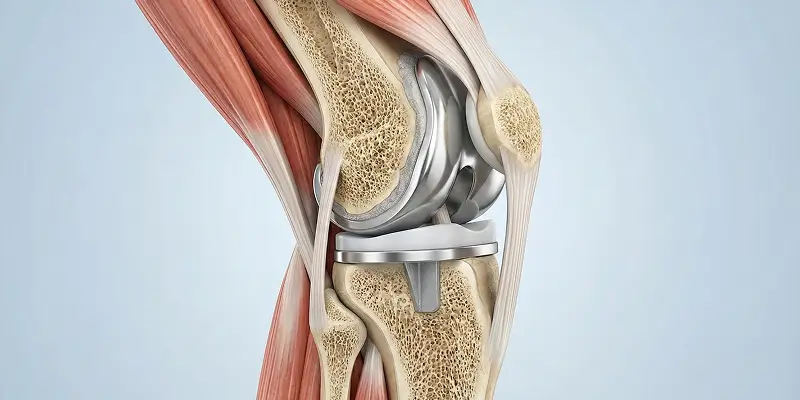
Endoprosthetic Reconstruction
Endoprosthetic reconstruction uses an internal prosthetic device to repair or replace damaged or diseased tissue. It is used frequently in orthopedics and oncology and has an important role in musculoskeletal disease and trauma. These advanced surgical techniques aim to improve function, reduce pain, and raise quality of life.
Endoprosthetic reconstruction is used in several medical situations. The most common include:
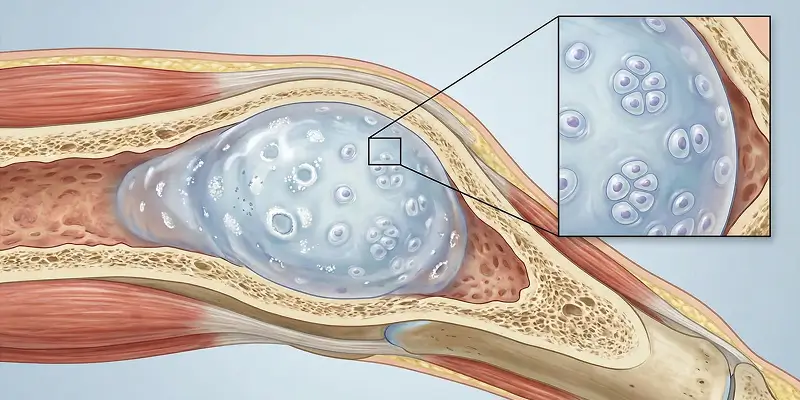
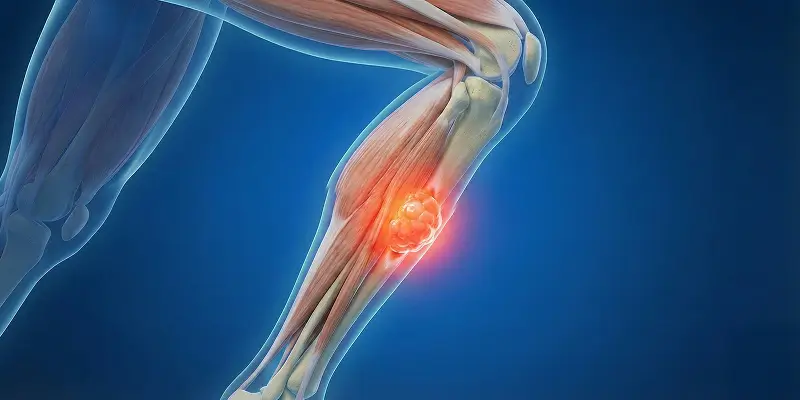
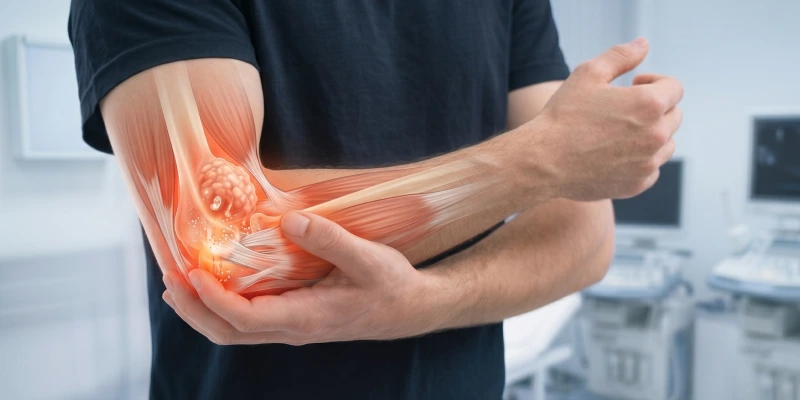
Bone tumors: After surgical removal of a bone tumor, lost bone must be restored with prosthetic materials.
Arthritis: Progressive arthritis of the knee and hip is among the most common reasons for prosthetic replacement. Damaged joint surfaces are replaced with artificial components.
Trauma: After serious fractures from accidents or falls, endoprosthetic reconstruction may be used. In injuries affecting large bones, missing structure may need to be restored.
Deformities: Congenital or acquired deformities can also be corrected with endoprosthetic reconstruction.
The procedure usually has several stages:
Diagnosis and planning: The patient’s condition is assessed carefully. Imaging (X-ray, MRI, CT) is used to examine the tumor or damaged area.
Surgery: After preoperative preparation, the surgeon reaches the target area through a horizontal or vertical incision. After the necessary tissues are removed, appropriate prosthetic components are placed.
Rehabilitation: After surgery, physical therapy and rehabilitation begin so the patient can return to normal function. This stage speeds recovery and helps restore joint function.
Every operation carries risk. Endoprosthetic reconstruction can lead to complications:
- Infection: Infection at the surgical site can have serious consequences.
- Aseptic loosening: Wear and deterioration can develop over time at the junction between the prosthesis and bone.
- Vessel and nerve injury: Depending on the difficulty of the surgery, nearby tissues may be injured.
Endoprosthetic reconstruction is an important treatment option in orthopedics and oncology. Success rates continue to improve with advances in surgical technique, materials science, and innovative methods. In the future, biomaterials and engineering solutions are expected to make these procedures even more successful.
Recommendations for patients during endoprosthetic reconstruction include:
- Choice of surgeon: Selecting an experienced orthopedic surgeon increases the chance of success.
- Rehabilitation program: Attending physical therapy sessions is critical for faster recovery.
- Regular follow-up: Postoperative visits help detect complications early.
The benefits of endoprosthetic reconstruction include better quality of life and greater participation in daily functional activities.
- Orthopedics and Traumatology
- Orthopedic Oncology
- Tumor
- Bone Cyst Disease
Frequently Asked Questions
Frequently Asked Questions
A tumor prosthesis (endoprosthetic reconstruction) is a specialized implant placed in place of bone removed because of a bone tumor. The goal is to preserve limb function.
It can be used for defects after bone-tumor resection, some advanced arthritic conditions, large traumatic bone loss, and deformities.
Planning starts with imaging. The tumor-bearing bone is then removed and the prosthesis is implanted. Physical therapy and rehabilitation follow.
Infection, problems at the prosthesis–bone junction (aseptic loosening), and, rarely, vessel or nerve injury can occur. Regular follow-up is important.
Yes. Rehabilitation is critical for recovering function, reducing pain, and returning to daily activities.
In suitable patients, limb-salvage surgery and prosthetic reconstruction can reduce pain, improve function, and raise quality of life.
 WhatsApp
  Facebook
  Twitter
  Linkedin



 +90 505 398 34 34
 doctoryavuzarikan@gmail.com
 Book Appointment / Contact