

What Is Bone Metastasis? Diagnosis and Treatments


What Is Bone Metastasis?
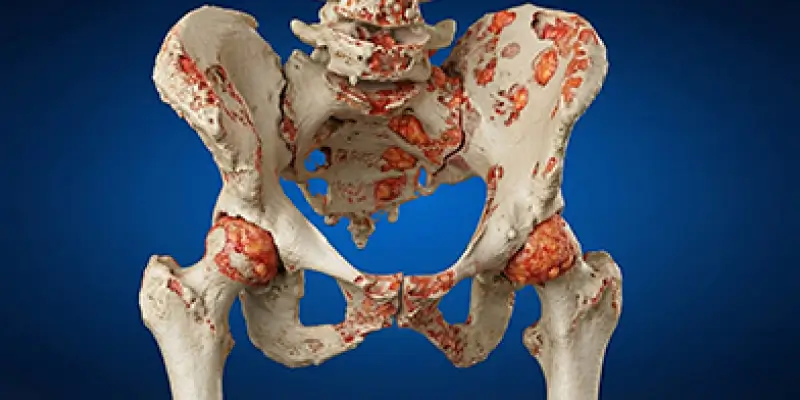
Bone metastasis is a serious disease that concerns both oncology and orthopedics. It appears when cancer that started in any organ of the body (the primary tumor) spreads over time through the blood or lymphatic system to bone tissue. In this process, cancer cells leave the region where they first appeared, enter the circulation, and settle especially in regions rich in bone marrow such as the spine, pelvis, hip, ribs, and long bones, forming new tumor foci there. Although it is often called “bone cancer” in everyday language, bone metastasis is not a cancer originating from the bone’s own cells; it is cancer cells spreading from other organs such as breast cancer, prostate cancer, lung cancer, kidney cancer, and thyroid cancer and involving the bone. For this reason, bone metastasis is an important clinical finding showing that the cancer has reached an advanced stage.
Metastatic cancer cells that settle in bone tissue disrupt the normal bone balance and secrete biological substances that increase bone breakdown or lead to abnormal bone formation. This causes the bones to weaken gradually, lose elasticity, and become fragile. As a result, patients can develop severe bone pain, limited motion, spinal collapse, and sudden bone fractures. Involvement of the bone marrow also leads to systemic problems such as anemia, weakened immunity, and general malaise. For this reason, bone metastasis is not only spread; it is also a complex disease picture that directly affects the patient’s quality of life and functional independence.
Early diagnosis in bone metastasis is possible with advanced imaging and diagnostic methods such as PET-CT, MRI, bone scintigraphy, and biopsy, while the treatment process requires a multidisciplinary approach covering chemotherapy, radiotherapy, targeted drugs, bone-strengthening treatments, and surgical interventions when needed. Today, thanks to modern oncologic and orthopedic treatments, many patients with bone metastasis can live with pain under control, preserved mobility, and long-term good quality of life.
Why Does Bone Metastasis Form?
Bone metastasis appears when cancer cells leave the organ where they first formed in the body and are carried to bone tissue through the blood or lymphatic system. This process shows that the cancer has become biologically more aggressive and that its potential to spread in the body has increased. Some cancer types such as breast cancer, prostate cancer, lung cancer, kidney cancer, and thyroid cancer in particular are more prone to settling in bone tissue.
Bone marrow has a special microenvironment containing rich blood vessels and growth factors. This environment is quite favorable for cancer cells to attach, multiply, and form new tumor foci. For this reason, cancer cells that enter the blood circulation often settle in regions with dense bone marrow such as the spine, pelvis, hip bones, ribs, and long bones.
As cancer progresses, cells in the primary tumor undergo genetic changes and become more mobile and invasive. These cells cross vessel walls, join the circulation, and reach distant organs. When they reach bone tissue, they interact with normal bone cells there and secrete substances that increase bone breakdown or trigger abnormal bone formation. This leads to weakening of the bones, an increased risk of fracture, and severe bone pain.
In the orthopedic oncology approach emphasized especially by Prof. Dr. Yavuz Arıkan, bone metastasis is accepted not only as spread but also as an active disease that disrupts bone integrity. For this reason, correctly understanding the mechanism of metastasis formation is of critical importance for early diagnosis and correct treatment planning.
What Are the Symptoms of Bone Metastasis?
Symptoms of bone metastasis are clinical findings that appear as cancer spreads to bone tissue and whose severity increases over time. Bone is a vital tissue that both supports the body and takes part in blood production. For this reason, when metastatic cancer cells settle in bone they can lead not only to pain but also to serious results such as fractures, loss of motion, and neurologic damage. Bone metastasis can start with mild signs in the early period, but as it progresses it turns into a picture that seriously lowers the patient’s quality of life.
1. Continuous Bone Pain That Does Not Go Away
The earliest and most common symptom of bone metastasis is gradually increasing bone pain. This pain especially intensifies at night and does not go away with rest. It is often felt in the low back, back, hip, thigh, and rib regions. Spread of the pain over time and lack of response to ordinary painkillers are an important warning sign for bone metastasis.
2. Sudden, Unexplained Bone Fractures
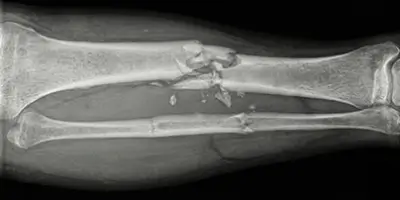
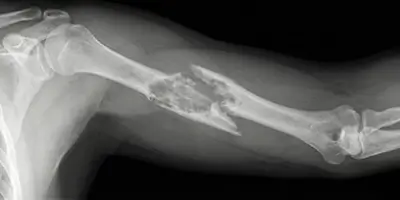
Because metastatic cancer cells weaken bone structure, bones become very fragile. For this reason, a fracture can form even without a fall or a blow. These fractures are called “pathologic fractures” and may indicate an advanced stage of bone metastasis.
3. Limited Motion and Difficulty Walking
When bone metastasis involves the hip, leg bones, and spine in particular, difficulty walking, limping, and loss of balance are seen in the patient. Because of pain and bone weakness, daily activities become gradually harder.
4. Nerve Compression Related to Spinal Involvement
Metastasis that spreads to the bones of the spine can create pressure on the spinal cord and nerve roots. In this situation, numbness, tingling, loss of strength, and problems with bladder or bowel control in the arms or legs can appear. These signs require urgent medical evaluation.
5. Signs Related to Elevated Calcium in the Blood
As bone breakdown increases, a large amount of calcium passes into the blood. This can lead to nausea, constipation, loss of appetite, excessive thirst, frequent urination, malaise, and clouded consciousness.
6. Malaise and Anemia
Involvement of the bone marrow by metastasis reduces production of blood cells. This presents with paleness, easy fatigue, shortness of breath, and weakened immunity.
When Should a Doctor Be Seen?
Bone pain that has continued for a long time, sudden fractures, difficulty walking, or neurologic complaints should always be investigated for bone metastasis. These signs are of vital importance especially in people who have previously received a cancer diagnosis.
How Is Bone Metastasis Diagnosed?
Early and accurate diagnosis of bone metastasis is of vital importance both for prolonging the patient’s life and for preventing serious complications such as bone fractures and nerve damage. Although bone metastasis often appears with signs such as bone pain that does not go away, sudden fractures, or difficulty walking, a definitive diagnosis can only be made with advanced imaging methods and pathologic examination. For this reason, multidisciplinary evaluation is essential in patients with suspected bone metastasis.
1. Clinical Evaluation of the Patient
The diagnostic process starts first with a detailed inquiry into the patient’s complaints. Night-increasing bone pain, back and low back pain, a previous history of cancer, or sudden bone fractures are especially important warning signs for bone metastasis. In physical examination, painful regions, limited motion, and neurologic findings are assessed carefully.
2. Imaging Methods
The most important tools in detecting bone metastasis are advanced radiologic imaging methods.
- Bone scintigraphy: A screening method that can show bone metastases throughout the whole body at the same time.
- PET-CT: Detects metabolically active tumor cells and reveals the extent of metastasis.
- Magnetic resonance imaging (MRI): Shows involvement of the spine and nerve tissue in particular in detail.
- Computed tomography (CT): Used to evaluate destruction in bone structure and fracture risk.
- Plain X-ray: Can show advanced-stage bone destruction and pathologic fractures.
3. Blood and Laboratory Tests
In patients with bone metastasis, some blood values may change:
- Elevated calcium
- Increased alkaline phosphatase
- Anemia
- Elevation of tumor markers
These tests do not make the diagnosis on their own, but they strengthen suspicion of metastasis.
4. Bone Biopsy (Definitive Diagnosis)
The gold-standard method in diagnosing bone metastasis is biopsy. A tissue sample taken from the suspicious bone lesion is examined by pathology, and whether it is metastasis, and also which cancer it originated from, is determined with certainty. This information is of critical importance for planning treatment correctly.
Why Does Early Diagnosis Matter So Much?
When bone metastasis is diagnosed in the early period:
- Pain can be brought under control
- Bone fractures can be prevented
- Spinal cord compression can be prevented
- The patient’s mobility can be preserved
For this reason, advanced investigation should be done without delay in people who have bone pain and especially a history of cancer.
How Is Bone Metastasis Treated?
Treatment of bone metastasis is planned individually according to the type of cancer, the extent of metastasis, the patient’s general health, and how much the bones are affected. The aim is not only to bring the tumor under control; it is also to reduce pain, prevent bone fractures, and preserve the patient’s mobility. For this reason, a multidisciplinary approach in which oncology, orthopedics, and radiology work together is of great importance in treating bone metastasis.
1. Systemic Cancer Treatments
Because bone metastasis is a sign of disease that has spread through the body, the foundation of treatment is systemic oncologic drugs.
- Chemotherapy: Brings metastases under control by killing cancer cells or stopping their multiplication.
- Targeted drugs (targeted therapies): Target only cancer cells and act with fewer side effects.
- Immunotherapy: Activates the immune system so that it fights cancer.
- Hormone therapy: Especially effective in bone metastases related to breast and prostate cancer.
2. Radiotherapy (Radiation Therapy)
Radiotherapy is one of the most effective methods for reducing pain related to bone metastasis. Targeted radiation applied to the metastatic region shrinks tumor cells, reduces pressure on the bone, and raises the patient’s quality of life. It is also frequently used in spinal metastases to reduce nerve compression.
3. Bone-Strengthening Treatments
Bone metastasis increases bone loss and fracture risk. For this reason, drugs that protect bone tissue are of great importance:
- Bisphosphonates
- Denosumab
These drugs slow bone breakdown, reduce pain, and lower the risk of pathologic fracture.
4. Surgical Treatment
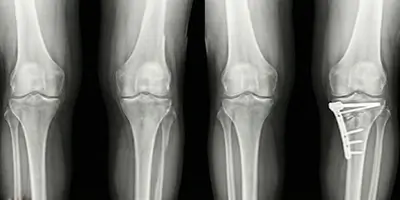
If a fracture related to bone metastasis has formed or the risk of fracture is very high, surgical intervention may be needed. In these operations the bone is strengthened with plates, nails, or prostheses. The aim is to reduce the patient’s pain and enable walking again.
5. Palliative and Supportive Treatments
To improve quality of life in patients with bone metastasis:
- Strong painkillers
- Nerve blocks
- Physical therapy
- Psychological support
are used.
What Is the Aim of Treatment in Bone Metastasis?
The main goals of treatment:
- Bringing pain under control
- Preventing fractures
- Preserving mobility
- Suppressing the cancer as much as possible
- Increasing the patient’s life span and quality of life
How Is Pain Reduced in Bone Metastasis?
Bone metastasis is one of the most painful oncologic situations that appear as cancer spreads to bone tissue. Metastatic tumor cells disrupt bone structure, stimulate nerve endings, increase pressure inside the bone, and cause inflammatory substances to be released. This leads to continuous, deep, and gradually intensifying bone pain in patients. Thanks to modern treatment methods used today, however, pain related to bone metastasis can largely be brought under control.
1. Pain Control with Radiotherapy
Radiotherapy is one of the most effective treatment methods for reducing pain related to bone metastasis. Targeted radiation applied to the metastatic bone region shrinks tumor cells, reduces pressure inside the bone, and removes pressure on the nerves. In most patients, clear pain relief is achieved within a few weeks.
2. Medication
A stepped pain-control approach is used for bone metastasis pain:
- Simple painkillers
- Non-steroidal anti-inflammatory drugs
- Strong opioid painkillers
- Special drugs for nerve pain
These drugs are arranged gradually according to the patient’s pain level.
3. Bone-Strengthening Drugs
Drugs such as bisphosphonates and denosumab reduce bone breakdown, both lowering fracture risk and contributing to a decrease in pain over time. These drugs are an important part of bone metastasis treatment.
4. Interventional Pain Treatments
In severe pain that does not respond to drugs:
- Nerve blocks
- Intrathecal pain pumps
- Radiofrequency applications
may be used. These methods are especially effective in spinal metastases.
5. Surgical and Orthopedic Support
In bones with a fracture risk related to bone metastasis or in which a fracture has developed, surgical stabilization reduces pain substantially. With plate, nail, or prosthesis applications, the patient can become able to move again.
6. Supportive Treatments
- Physical therapy
- Use of orthoses and a cane
- Psychological support
improve pain perception and quality of life substantially.
Suggestions for Patients with Bone Metastasis
For patients living with bone metastasis, a correct lifestyle, regular follow-up, and appropriate supportive treatments are extremely important for bringing pain under control, preventing bone fractures, and protecting quality of life. Bone metastasis is not only cancer spread; it is also a chronic situation that directly affects the patient’s daily life. For this reason, the patient’s protecting themselves and organizing their life is as important as the treatment process.
1. Take Precautions Against Falls and Fractures
Because bone metastasis weakens the bones, even a small fall can lead to serious fractures. Slippery floors in the home should be avoided, rugs should be secured, and grab bars should be used in the bathroom and toilet. Patients with difficulty walking should use a cane or walker.
2. Support Bone Health
Calcium and vitamin D levels should be checked regularly. Bone-strengthening drugs recommended by the doctor should be used without interruption, and habits such as smoking and alcohol that accelerate bone loss should be avoided.
3. Never Ignore Pain
Pain related to bone metastasis is a treatable situation. When pain starts or intensifies, it should always be reported to the doctor. With regular painkiller use, radiotherapy, and supportive treatments, pain can largely be brought under control.
4. Do Not Skip Regular Check-ups
Patients with bone metastasis should have oncology and orthopedics check-ups regularly. Thanks to imaging investigations, changes in the bones can be noticed in the early period and fracture and nerve damage can be prevented.
5. Do Not Give Up Movement Completely
Staying inactive because of pain and fear increases muscle loss and bone weakness. Light walks, stretching exercises, and physical therapy programs at the level recommended by the doctor are extremely useful for patients with bone metastasis.
6. Take Care with Nutrition
Eating a diet rich in protein, vitamins, and minerals strengthens the immune system and increases the response to treatment. Adequate fluid intake is especially important for preserving calcium balance.
7. Obtain Psychological and Social Support
Bone metastasis is a process that is challenging both physically and emotionally. Psychological support, patient support groups, and family support substantially increase adherence to treatment and quality of life.
Conclusion
Bone metastasis is a serious oncologic situation that appears as cancer spreads from the organ where it first started in the body to bone tissue, and that directly affects quality of life. Bone metastasis, seen especially often in breast, prostate, lung, kidney, and thyroid cancers, can lead to vital complications such as severe bone pain, limited motion, sudden fractures, and neurologic problems. Today, however, thanks to advanced imaging methods, early diagnosis can be made; with modern oncologic treatments, radiotherapy, bone-strengthening drugs, and surgical interventions when needed, the disease can largely be brought under control.
For successful treatment in bone metastasis, early diagnosis, a correct treatment plan, and a multidisciplinary approach are of great importance. Effective management of pain, preservation of bone integrity, and maintenance of the patient’s mobility increase both life span and quality of life in a clear way. At the same time, lifestyle measures such as regular check-ups, appropriate nutrition, preservation of physical activity, and psychological support are an indispensable part of the treatment process.
In conclusion, bone metastasis is a disease that can be brought under control. With the right treatment and specialist physician follow-up, patients can live with less pain, more freedom of movement, and better quality of life. For this reason, seeing a specialist physician without delay when bone pain, sudden fractures, or neurologic signs appear is the most important step that determines the course of the disease.
Frequently Asked Questions
Frequently Asked Questions
No. Bone metastasis is cancer that started in another organ and spread to bone. Bone cancer is a primary cancer that develops from the bone’s own cells. These two situations differ both in their causes and in their treatments.
Bone metastasis is seen most often in breast cancer, prostate cancer, lung cancer, kidney cancer, and thyroid cancer.
Metastatic cancer cells disrupt bone structure, stimulate nerve endings, and increase pressure inside the bone. This leads to deep, continuous, and gradually increasing bone pain.
Yes. Bone metastasis can be detected in the early period thanks to bone scintigraphy, PET-CT, MRI, and blood tests. Regular check-ups are especially important in patients with a history of cancer.
Bone metastasis is generally regarded as a chronic disease. With modern treatments, however, it can be kept under control for a long time, and patients can live a good-quality life.
Yes. With appropriate treatment, bone strengthening, radiotherapy, and surgical support when needed, many patients can walk and continue daily life.
Life expectancy varies according to the type of cancer, the extent of spread, and the response to treatment. Today, with modern treatments, patients can live under control for years.
Yes. Radiotherapy is one of the most effective methods for reducing pain related to bone metastasis and shrinking the tumor.
If a fracture has formed in the bone or the risk of fracture is very high, surgical intervention may be needed. The aim is to strengthen the bone and enable the patient to move.
They should avoid falls, not ignore their pain, not skip check-ups, and take care with nutrition and bone health.
 WhatsApp
  Facebook
  Twitter
  Linkedin



 +90 505 398 34 34
 doctoryavuzarikan@gmail.com
 Book Appointment / Contact