

Why Does Knee Pain Increase When Going Up and Down Stairs?


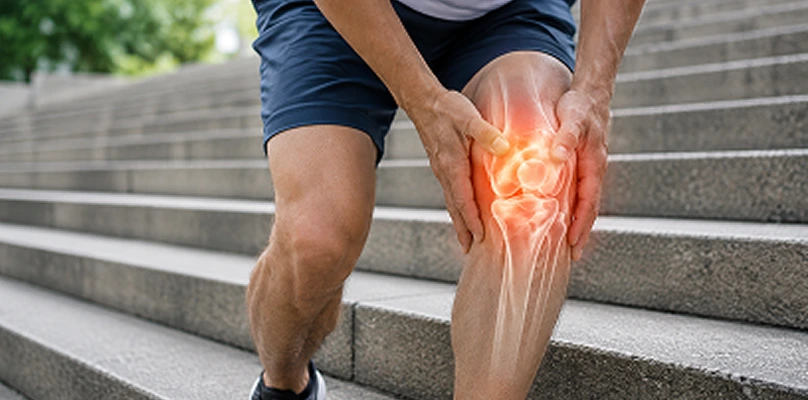
Increasing knee pain when going up and down stairs lowers many people’s daily quality of life and is often dismissed as “just arthritis.” In fact, this pain may be a sign of various structural and functional problems in the knee joint. People with knee pain on stairs often start taking stairs one at a time, looking for an elevator, or moving less in order to protect the knee. Over time this can lead to muscle weakness, weight gain, and even more load on the joint.
This article covers why knee pain increases on stairs, when you should see a doctor, and possible treatment methods.
Why Is Knee Pain Worse When Going Up and Down Stairs?
Going up and down stairs places much more load on the knee than normal walking. When climbing, the knee bends more and contact between the kneecap and the thigh bone increases. When descending, the knee both carries load and has a controlled deceleration role. For this reason, any problem in the knee becomes more noticeable on stairs.
Pain that increases on stairs most often comes from problems in the kneecap (patellofemoral) joint. However, different causes such as knee osteoarthritis, meniscus tears, tendon problems, and muscle weakness are also possible. The features of the complaint should therefore be assessed carefully for an accurate diagnosis.
1. Patellofemoral Pain Syndrome (Kneecap Pain)
One of the most common causes of pain when going up and down stairs is patellofemoral pain syndrome. This develops when pressure on the joint surface between the kneecap and the thigh bone increases. Pain especially increases:
- When standing up after sitting for a long time
- When going down stairs
- During squat-like movements
- When running
Patellofemoral pain syndrome is generally more common in young and middle-aged people, especially women. Poor kneecap tracking, muscle imbalance (quadriceps weakness), foot-arch problems, and overload are the main causes of this syndrome.
2. Knee Osteoarthritis
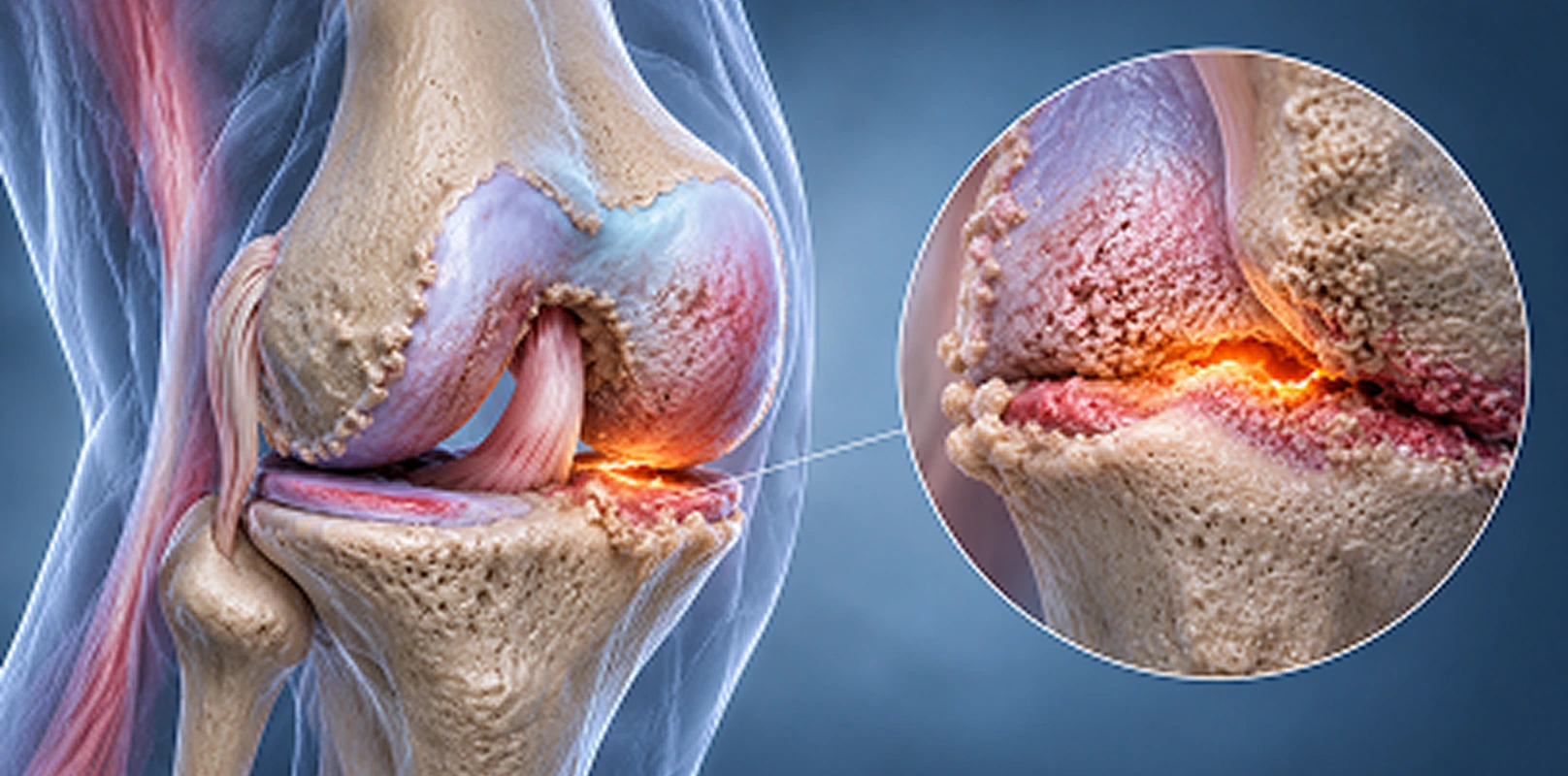
Knee osteoarthritis is another common cause of pain on stairs. As osteoarthritis progresses, cartilage in the joint wears down, friction between joint surfaces increases, and pain appears especially during knee bending.
When climbing stairs the knee bends more and joint surfaces make more intense contact. Pain is therefore more noticeable when osteoarthritis is present. Osteoarthritis may also occur with inflammation and swelling inside the joint; this leads to complaints such as morning stiffness and pain that increases with movement.
Osteoarthritis generally increases with older age, but excess weight, previous trauma, meniscus tears, and genetic factors are also risk factors.
3. Meniscus Tears
The menisci are important structures that distribute load in the knee. In people with a meniscus tear, pain and sometimes a locking sensation may occur on stairs. Meniscus tears especially appear after:
- Sudden twisting movements
- Loading the knee while it is bent
- Sports injuries
Meniscus tears can also cause giving way and swelling. Pain that increases especially when going down stairs may suggest a meniscus tear.
4. Tendon and Muscle Problems
Pain in the front of the knee when climbing stairs may be related to strain of the quadriceps tendon and the patellar tendon. Tendinopathies can develop especially with overload, prolonged running, and a sudden increase in training load during sports.
Weakness or loss of flexibility in the hamstrings can also impair knee control and increase pain when going down stairs.
5. Instability in the Knee (Anterior Cruciate Ligament Problems)
In people with an anterior cruciate ligament injury or knee instability, going down stairs may be harder. When descending, the knee must carry body weight in a controlled way. If the knee is not stable, pain and a feeling of insecurity increase during this movement. A sensation that the knee “gives way” while going down stairs especially raises the possibility of anterior cruciate ligament damage.
6. Bursitis and Inflammation Inside the Joint
Inflammation of the bursae around the knee (bursitis) or inflammation inside the joint can also cause pain on stairs. If pain is localized to the front or inner side of the knee, bursitis should be considered. Rheumatic diseases or intra-articular inflammation can also cause this type of complaint.
How Is Stair-Related Knee Pain Diagnosed?
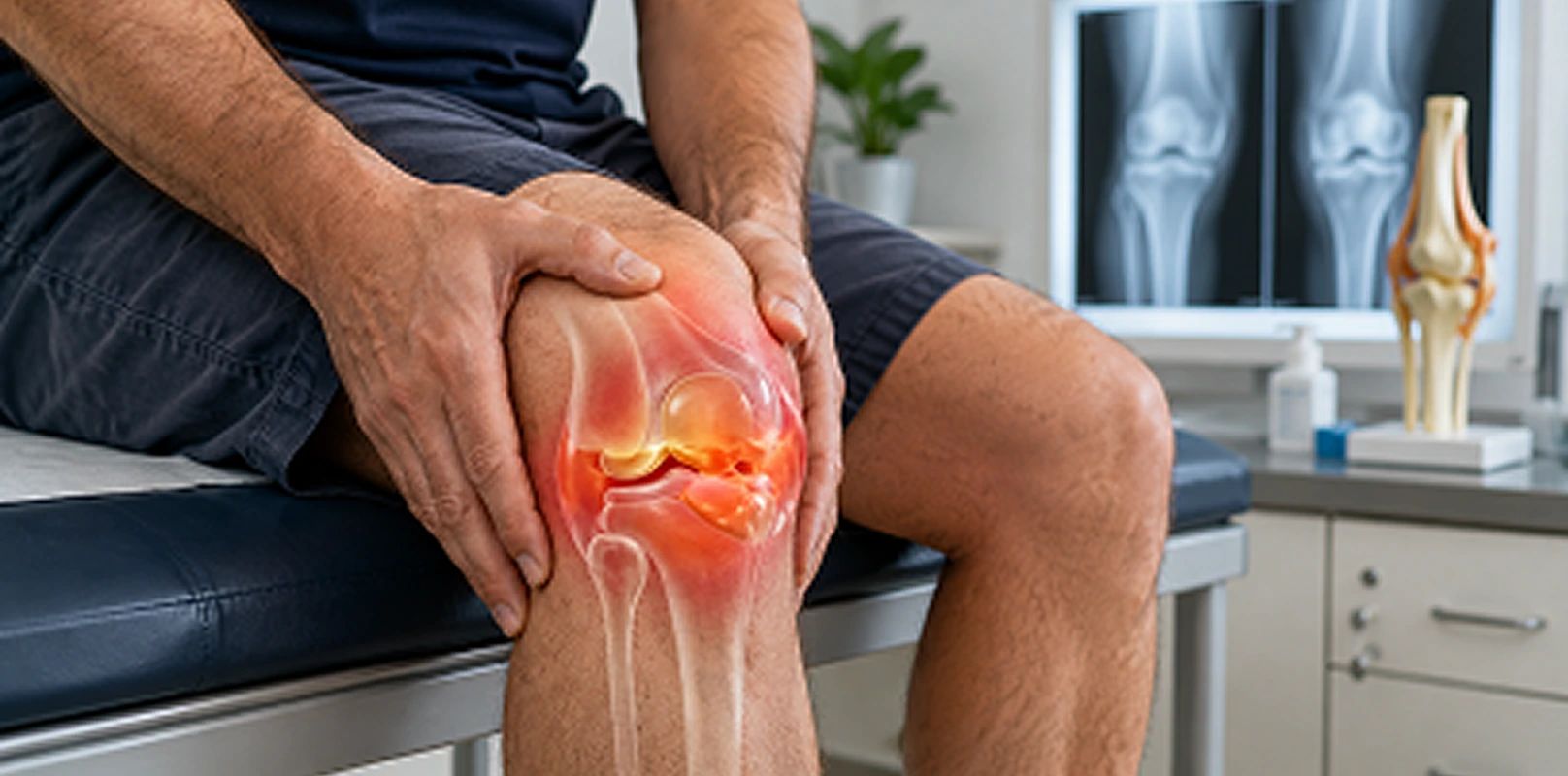
The cause of knee pain on stairs can largely be determined by clinical examination. Your doctor listens to your symptoms and assesses range of motion, the location of pain, and which movements increase it. Some tests and imaging methods may also be needed.
X-ray is the most basic imaging method for assessing knee osteoarthritis. MRI (magnetic resonance imaging) is preferred for evaluating meniscus, ligament injuries, and cartilage damage. Ultrasound is used to show soft-tissue problems such as tendon issues and bursitis.
Treatment Options: What Should Be Done?
Treatment for people with pain on stairs depends on the diagnosis. In the general approach, the first step is to reduce factors that increase pain.
Reducing load on the knee is important first. In people with excess weight, weight control reduces pain and prolongs joint life. Strengthening the muscles around the knee, especially the quadriceps, is also very effective in reducing stair-related pain.
A physical therapy program increases knee stability with muscle strengthening, balance, and proprioception training. Flexibility work and training in correct movement are also important. In patients with patellofemoral pain syndrome, strengthening the muscles that control kneecap motion forms the basis of treatment.
As medication, anti-inflammatory drugs and painkillers may be used short term under a doctor’s supervision. Long-term use of these drugs is not recommended for joint health. Stomach and kidney side effects in particular should be considered.
If there is knee osteoarthritis, intra-articular injections (such as hyaluronic acid or PRP) may reduce symptoms in some patients. The effect of these methods varies from person to person and they must be applied under specialist supervision.
If there is a meniscus tear, especially large tears or tears that cause locking, arthroscopic surgery may be considered. In young, active patients, repairing and preserving the meniscus is preferred.
When Should You See a Doctor?
Pain on stairs can often be thought of as simple strain. Specialist evaluation is needed, however, if:
- Pain lasts longer than 2–3 weeks
- There is swelling, locking, or a giving-way sensation in the knee
- The knee “gets stuck” on stairs
- There is sudden, severe pain in the knee
- There is obvious swelling and warmth in the knee
These signs may indicate a more serious problem such as a meniscus tear, ligament injury, or osteoarthritis.
Conclusion
Knee pain that increases on stairs is a complaint that lowers daily quality of life and can become a progressive problem. Many causes, including patellofemoral pain syndrome, knee osteoarthritis, meniscus tears, tendon problems, and knee instability, can lead to this pain. With accurate diagnosis and an appropriate treatment plan, most patients can reduce their symptoms substantially and improve quality of life.
If your knee does not feel reliable on stairs, do not postpone it hoping it will “go away.” Early evaluation and the right treatment both reduce pain and protect your knee health in the long term.
Frequently Asked Questions

Specialist Opinion
Knee pain that increases on stairs is a complaint that lowers daily quality of life and can become a progressive problem. Many causes, including patellofemoral pain syndrome, knee osteoarthritis, meniscus tears, tendon problems, and knee instability, can lead to this pain. With accurate diagnosis and an appropriate treatment plan, most patients can reduce their symptoms substantially and improve quality of life.
If your knee does not feel reliable on stairs, do not postpone it hoping it will “go away.” Early evaluation and the right treatment both reduce pain and protect your knee health in the long term.
Contact us to have your symptoms assessed and to learn about treatment options that may be right for you. Get in touch .
Frequently Asked Questions
Stairs place more load on the knee than walking on level ground. Especially during descent, control and deceleration increase patellofemoral pressure.
The most common cause is patellofemoral pain syndrome. Knee osteoarthritis, meniscus tear, tendinopathy, and ligament problems can cause similar symptoms.
After physical examination, evaluation is done with X-ray and, if needed, MRI and ultrasound. The underlying structural problem is clarified accordingly.
Weight control, quadriceps strengthening, physical therapy, and short-term medication are the first step. Some patients may need injections or arthroscopy.
If pain lasts longer than 2–3 weeks, or if there is swelling, locking, giving way, or sudden severe pain, evaluation is needed.
It varies by patient. Increased bending on the way up and deceleration load on the way down can increase pain in both directions.
 WhatsApp
  Facebook
  Twitter
  Linkedin



 +90 505 398 34 34
 doctoryavuzarikan@gmail.com
 Book Appointment / Contact