

Stem Cell (SVF) and PRP Treatments


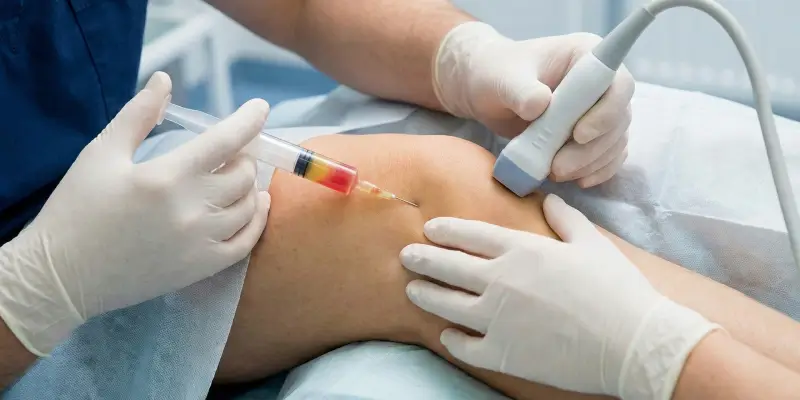
What Is Stem Cell (SVF) Treatment?
Stem cell treatment is an innovative, minimally invasive method aimed at repairing joint and cartilage damage. It is used especially for cartilage loss, osteoarthritis, and sports injuries seen in the knee, hip, and shoulder.
SVF (stromal vascular fraction) is a subgroup of stem cells isolated from the patient’s own fat tissue. When these cells are injected into damaged tissues, they support renewal of cartilage cells, reduce inflammation inside the joint, and ease pain. SVF treatment offers a biological treatment option that improves joint function without requiring surgery.
Features of Stem Cell (SVF) Treatment:
- Minimally invasive: Open surgery is not required; application is done under local anesthesia.
- Your own tissue is used: There is no rejection risk by the body.
- Joint protection: It repairs cartilage tissue and supports joint movement.
- Rapid recovery: After application, patients can usually return to daily activities the same day.
Aims of Stem Cell (SVF) Treatment:
- Reducing joint pain
- Repairing cartilage damage and increasing joint function
- Reducing inflammation and lowering friction in the joint
- Delaying replacement surgery or reducing the need for surgery
What Is PRP Treatment?
PRP (platelet-rich plasma) treatment is a biological, minimally invasive method in which plasma rich in platelets, obtained from the patient’s own blood, is injected into a joint or damaged tissues. PRP stands out as an effective method preferred especially in joint pain, cartilage damage, tendon problems, and sports injuries.
Platelets contain growth factors and cytokines that trigger tissue repair in the body. PRP treatment therefore both helps repair damaged tissues and eases pain by reducing inflammation. PRP is a rapid, safe joint treatment option that does not require surgery.
Features of PRP Treatment:
- Minimally invasive: The procedure is done under local anesthesia and can often be applied on an outpatient basis.
- It is obtained from your own blood: There is no allergy or tissue-rejection risk.
- Rapid recovery: After application the patient can return to daily activities in a short time.
- Joint and tissue repair: It supports healing of cartilage damage and is also effective in tissues such as tendons and ligaments.
Aims of PRP Treatment:
- Reducing joint pain and increasing joint function
- Supporting natural healing of cartilage and soft tissues
- Speeding recovery in sports injuries and tendon damage
- Delaying advanced surgical interventions or joint replacements
Aims of Stem Cell and PRP Treatment
Stem cell (SVF) and PRP treatments are biological, minimally invasive methods used to protect joint health, repair cartilage tissue, and reduce joint pain. These treatments are preferred especially in patients with cartilage damage, osteoarthritis, and sports injuries in the knee, hip, and shoulder.
Main Aims of Stem Cell and PRP Treatment:
- Repairing Cartilage Damage and Improving Joint Function
- SVF stem cells and growth factors in PRP support renewal of damaged cartilage tissue.
- They reduce friction on the joint surface and increase joint mobility.
- Reducing Pain and Controlling Inflammation
- PRP and stem cell treatment ease pain and stiffness by reducing inflammation in the joint.
- Pain that forms in daily life related to osteoarthritis or cartilage damage is brought under control.
- Protecting Joint Structure and Delaying the Need for Surgery
- Thanks to minimally invasive applications, natural joint structure is preserved.
- Especially in younger and middle-aged patients, the need for replacement surgery or joint surgery can be delayed for years.
- Treating Sports Injuries and Tendon Problems
- PRP speeds healing in tendon, ligament, and soft-tissue injuries.
- Stem cell treatment supports repair of damaged tissue and shortens return to sport.
- Improving Quality of Life
- Reduced pain and increased joint function make daily activities more comfortable.
- Patients can return more comfortably to sport and social activities.
How Are Stem Cell and PRP Applications Done?
Stem cell (SVF) and PRP treatments are minimally invasive methods aimed at improving joint and cartilage problems without surgery. These applications are widely used in joints such as the knee, hip, and shoulder, and the application steps of the two methods differ.
Stem Cell (SVF) Application Steps:
- Patient Evaluation
- Cartilage damage and joint status are examined in detail with MRI, ultrasound, or X-ray.
- General health and suitability for application are determined.
- Fat Tissue Harvest
- A small amount of fat tissue is taken from the patient (usually from the abdomen or thigh).
- This procedure is performed under local anesthesia or light sedation.
- Isolation of SVF Cells
- The harvested fat tissue is processed in a laboratory setting and stromal vascular fraction (SVF) stem cells are isolated.
- Injection of the Cells
- Isolated SVF cells are injected into the joint with a thin needle.
- The procedure is often done under ultrasound or X-ray guidance, so the cells are placed in the correct region.
- Follow-up After the Procedure
- The patient is usually discharged the same day.
- Light rest is recommended for the first few days, and following the recommended physical therapy program is important.
PRP (Platelet-Rich Plasma) Application Steps:
- Blood Draw
- A certain amount of blood is taken from the patient.
- PRP Preparation
- Blood is processed with a centrifuge to obtain plasma rich in platelets.
- PRP is a plasma concentrated in growth factors and cytokines that supports tissue repair.
- Injection Procedure
- Prepared PRP is injected into the joint or damaged tissues with a thin needle.
- The procedure is done under local anesthesia and usually lasts 15–20 minutes.
- Recovery and Follow-up
- Patients can often return to normal activities the same day.
- Reduction of pain and inflammation is observed between a few days and a few weeks.
Common Features of Both Applications
- They are minimally invasive and do not require surgery.
- Because your own tissues are used, there is no allergy or tissue-rejection risk.
- They support joint function, reduce pain, and encourage healing of cartilage damage.
Advantages of Stem Cell and PRP Treatment
Stem cell (SVF) and PRP treatments are innovative treatments that improve cartilage damage and joint pain in joints such as the knee, hip, and shoulder with minimally invasive methods. The advantages they provide both improve quality of life and reduce the need for surgery.
Outstanding Advantages of Stem Cell and PRP Treatment:
- They Increase Joint Function and Mobility
- SVF stem cells and growth factors in PRP repair joint tissue.
- Friction and pain in the joint decrease, so daily activities and sports movements can be done more comfortably.
- They Reduce Pain Effectively
- They ease pain by targeting inflammation inside the joint and damaged tissues.
- They help control pain related to osteoarthritis, cartilage loss, and tendon problems.
- They Are Minimally Invasive and Do Not Require Surgery
- There is no need for major surgical interventions such as open surgery or replacement.
- The procedure is applied under local anesthesia and most patients can return to daily life the same day.
- They Use Your Own Tissues – Safe and Low-risk
- PRP and SVF are obtained from the patient’s own blood or fat tissue.
- There is no allergic reaction or tissue-rejection risk; it is a biocompatible treatment option.
- They Can Delay Replacement or Surgery
- Especially in younger and middle-aged patients, they can delay the need for a joint replacement.
- By protecting joint structure, they extend the time until surgery in the long term.
- They Speed Healing in Sports Injuries
- PRP supports repair of tendon and ligament injuries.
- Stem cell treatment encourages renewal of damaged tissue and shortens return to sport.
- They Improve Quality of Life
- With reduced pain, increased mobility, and functional recovery, daily life becomes more comfortable.
- The patient can take part more comfortably in social and sports activities.
Risks and Side Effects of Stem Cell and PRP Treatment
Although stem cell (SVF) and PRP treatments are minimally invasive and safe methods, like every medical application they carry some risks and side effects. These risks, however, are most often mild, temporary, and uncommon. With correct application and specialist supervision, adverse effects can be minimized.
Possible Side Effects and Risks:
- Pain and Swelling at the Injection Site
- After application, mild pain, tenderness, or swelling may be seen in the joint or around it.
- It usually decreases within 1–3 days and can be controlled with mild painkillers if needed.
- Infection Risk
- Although minimally invasive, there is an infection risk during injection procedures.
- This risk can be substantially reduced with sterile technique and hygienic conditions.
- Temporary Limited Motion
- Mild stiffness or limited motion in the joint may occur in the first few days.
- This situation improves in a short time with physical therapy and recommended exercise programs.
- Allergic Reaction (Rare)
- Because your own tissues are used in both PRP and SVF applications, allergic reaction risk is very low.
- In very rare cases, local tenderness or a reaction may be seen.
- Need for Repeat Application
- Effect duration is usually between 6 and 12 months, and in some patients the treatment may need to be repeated.
- This is not counted as a side effect, but long-term monitoring of patients is important.
Ways to Reduce Risks:
- Application by an experienced specialist surgeon
- Performing the procedure in sterile, hygienic conditions
- Following the physician’s recommendations after the procedure (rest and exercise program)
- Early detection of possible complications with regular checks and follow-up
How Long Does the Effect of Stem Cell and PRP Last, and Repeat Application
Stem cell (SVF) and PRP treatments are biological, minimally invasive treatments used to reduce pain, control inflammation, and repair tissues in joint and cartilage problems. The effectiveness of these treatments, however, varies with the patient’s condition, the degree of cartilage damage, and lifestyle.
Effect Duration
- Stem Cell (SVF) Effect
- After SVF stem cells are injected into damaged tissues, they start tissue repair.
- They usually support joint function and reduce pain for 6–12 months.
- Effect duration is longer in mild and moderate cartilage damage and may be shorter in patients with advanced cartilage loss.
- PRP Effect
- PRP application speeds tissue healing thanks to growth factors in plasma rich in platelets.
- Its effect usually lasts between 3 and 9 months.
- PRP is often applied as 2–3 sessions, and there may be 4–6 weeks between sessions.
Need for Repeat Application
- When the effect period ends, treatment can be repeated.
- Session repetition is common in PRP treatment and is planned to support joint function.
- In SVF treatment, a single session is usually enough; however, it can be repeated depending on the patient’s condition.
- Repeated applications help protect joint structure and delay the need for replacement or surgery.
Ways to Extend Effect Duration
- Avoiding excessive joint load and providing weight control
- Following a regular low-impact exercise and physical therapy program
- Reducing inflammation with a healthy lifestyle and balanced nutrition
- Not missing the follow-up and checks recommended by the physician
Who Is Suitable for Stem Cell and PRP Treatment?
Stem cell (SVF) and PRP treatments are biological, minimally invasive methods used in patients with joint pain, cartilage damage, and tendon problems. Not every patient, however, is suitable for these treatments. Correct patient selection is critical for treatment effectiveness and safety.
Suitable Patient Profile
- Patients With Mild and Moderate Osteoarthritis
- It is an ideal treatment for patients with cartilage loss or early wear in the knee, hip, or shoulder.
- It can be applied as an alternative to surgery in patients with joint pain and limited motion.
- Patients With Cartilage Damage
- People with cartilage wear related to trauma, sports injury, or age can benefit from stem cell and PRP treatment.
- Its repair effect is high in patients with regional damage or a hole in cartilage tissue on the joint surface.
- Sports Injuries and Tendon Problems
- In tendon, ligament, or meniscus injuries, PRP treatment speeds healing.
- It shortens athletes’ return to sport and supports joint health.
- Patients Who Do Not Want Surgery or Who Carry Surgical Risk
- For patients in whom joint replacement or open surgery is risky because of age or general health, stem cell and PRP treatment is a safe alternative.
- Patients Who Want to Delay or Postpone Replacement
- Especially in younger and middle-aged patients, it helps delay replacement surgery by protecting joint structure.
Unsuitable Situations
- Patients with advanced joint deformity or widespread cartilage loss
- Those with infection or active inflammatory joint disease
- Those with serious systemic diseases (bleeding disorder, uncontrolled diabetes, immune-system problems)
- Pregnant or breastfeeding women
Conclusion
Stem cell (SVF) and PRP treatments are minimally invasive biological therapies used for cartilage damage, osteoarthritis, and sports injuries in joints such as the knee, hip, and shoulder. These methods are preferred as an alternative to surgery to reduce pain, increase joint function, and support repair of cartilage tissue.
Stem Cell (SVF) Treatment: Stem cells isolated from the patient’s own fat tissue are injected into the joint to support cartilage renewal and tissue repair. SVF application improves joint function while reducing inflammation and enabling a rapid return to daily activities.
PRP Treatment: Plasma rich in platelets, obtained from the patient’s own blood, speeds healing of damaged tissues with growth factors. PRP is especially effective in joint pain, tendon injuries, and sports injuries.
Aims and Advantages of Treatment
- Reducing joint pain and controlling inflammation
- Supporting repair of cartilage tissue and joint function
- Delaying surgical intervention or replacement surgery
- Shortening recovery in sports injuries
- Rapid recovery and low risk because it is minimally invasive
Risks and Side Effects
- Mild pain, swelling, or stiffness at the injection site
- Rare infection risk
- Very low likelihood of local allergic reactions
- Repeat application may be needed, but this is a method of increasing effectiveness, not a risk
Suitable Patient Profile
- Patients with mild and moderate osteoarthritis
- Those with cartilage damage or joint pain
- People with sports injuries and tendon problems
- Individuals who carry surgical risk or do not want surgery
- Younger and middle-aged patients who want to delay replacement surgery
In summary: Stem cell and PRP treatments are safe biological therapies that protect joint health, reduce pain, and improve quality of life. With being minimally invasive, a short recovery, and the ability to delay the need for replacement, they offer an effective solution both for athletes and for patients with joint problems.
Frequently Asked Questions

Specialist Opinion
Stem cell (SVF) and PRP treatments are minimally invasive biological therapies used for cartilage damage, osteoarthritis, and sports injuries in joints such as the knee, hip, and shoulder. These methods are preferred as an alternative to surgery to reduce pain, increase joint function, and support repair of cartilage tissue.
Stem Cell (SVF) Treatment: Stem cells isolated from the patient’s own fat tissue are injected into the joint to support cartilage renewal and tissue repair. SVF application improves joint function while reducing inflammation and enabling a rapid return to daily activities.
PRP Treatment: Plasma rich in platelets, obtained from the patient’s own blood, speeds healing of damaged tissues with growth factors. PRP is especially effective in joint pain, tendon injuries, and sports injuries.
Reducing joint pain and controlling inflammation Supporting repair of cartilage tissue and joint function Delaying surgical intervention or replacement surgery Shortening recovery in sports injuries Rapid recovery and low risk because it is minimally invasive
Mild pain, swelling, or stiffness at the injection site Rare infection risk Very low likelihood of local allergic reactions Repeat application may be needed, but this is a method of increasing effectiveness, not a risk
Patients with mild and moderate osteoarthritis Those with cartilage damage or joint pain People with sports injuries and tendon problems Individuals who carry surgical risk or do not want surgery Younger and middle-aged patients who want to delay replacement surgery
In summary: Stem cell and PRP treatments are safe biological therapies that protect joint health, reduce pain, and improve quality of life. With being minimally invasive, a short recovery, and the ability to delay the need for replacement, they offer an effective solution both for athletes and for patients with joint problems.
Contact us to have your symptoms assessed and to learn about treatment options that may be right for you. Get in touch .
Frequently Asked Questions
Stem cell treatment is a biological method in which SVF stem cells isolated from the patient’s own fat tissue are injected into the joint. It repairs cartilage tissue, increases joint function, and reduces pain.
PRP (platelet-rich plasma) treatment is the application of plasma rich in platelets, obtained from the patient’s own blood, to a joint or damaged tissues. Thanks to growth factors, it speeds tissue healing, reduces inflammation, and eases pain.
They are suitable for patients with mild and moderate osteoarthritis; those with cartilage damage or joint pain; those with sports injuries and tendon problems; patients who do not want surgery or who carry surgical risk; and younger and middle-aged people who want to delay replacement surgery.
The effect of SVF treatment usually lasts 6–12 months, and the effect of PRP treatment 3–9 months. Treatment can be repeated when needed.
The procedure is done under local anesthesia and is minimally invasive. A mild discomfort may be felt during application, but pain is usually minimal and a return to normal occurs in a short time after the procedure.
Mild pain, swelling, or stiffness at the injection site; a very rare infection risk; local tenderness or rare allergic reactions may be seen. In general, risks are minimal and temporary.
It is important to rest the joint without excessive loading for the first few days; follow the physical therapy and exercise program recommended by the physician; attend regular checks; and avoid heavy sport or sudden joint trauma.
Stem cell and PRP treatments protect joint health as an alternative to surgery and can delay replacement or open surgery. In patients with advanced cartilage loss, however, surgery may be needed.
They are widely applied in the knee, hip, and shoulder. They can also be used as supportive treatment in tendon and ligament injuries.
No. Both SVF and PRP treatment are obtained from the patient’s own tissues; they are therefore biocompatible and safe. There is no allergy or tissue-rejection risk.
 WhatsApp
  Facebook
  Twitter
  Linkedin




 +90 505 398 34 34
 doctoryavuzarikan@gmail.com
 Book Appointment / Contact