

Soft-Tissue Sarcoma


Soft-Tissue Sarcoma
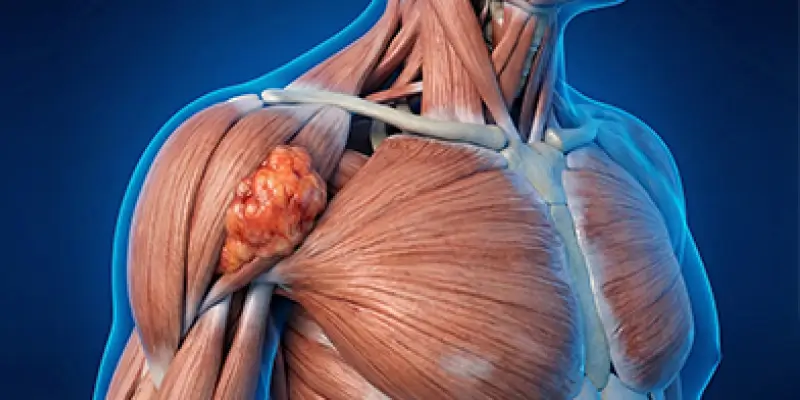
Soft-tissue sarcoma is the general name for malignant tumors that arise from muscle, fat, connective tissue, tendon, nerve, and vessel structures—the tissues that hold the body together and enable movement. These tumors form when the genetic structure of cells that normally support and protect the body is disrupted and the cells multiply in an uncontrolled way. Clinically they are one of the most important disease groups in orthopedic oncology.
Soft-tissue sarcomas can develop anywhere in the body, but they are most common in the arm, leg, hip, abdomen, and trunk. Because they grow in deep tissues, they may cause no symptoms for a long time. Many patients therefore see a doctor only after the tumor has become quite large. This shows how important early diagnosis is.
Prof. Dr. Yavuz Arıkan, who works in orthopedic oncology, emphasizes that soft-tissue sarcomas are often confused with benign masses, and that incorrect or delayed intervention can worsen the course of disease. In particular, growing, firm, deep, and painless masses must be evaluated for sarcoma.
Soft-tissue sarcoma is not an ordinary lump. These tumors can spread into nearby tissues and have the potential to metastasize to the lungs. Advanced imaging and biopsy are therefore essential in diagnosis. When the diagnosis is correct, successful results can be obtained with surgery, radiotherapy, and chemotherapy.
Why Does Soft-Tissue Sarcoma Form?
Soft-tissue sarcoma results from genetic disruption in muscle, fat, nerve, connective-tissue, and vessel cells. Normally these cells divide in a controlled way and renew themselves. DNA-level damage in some cells leads to uncontrolled growth and to a malignant soft-tissue tumor.
In most cases a single clear cause cannot be found. Scientific studies, however, have clearly identified several factors that increase the risk of soft-tissue sarcoma.
1. Genetic and Cellular Mutations
The basis of soft-tissue sarcomas is mutations in cell DNA. These mutations disrupt growth and division. Genetic changes in fat, muscle, and connective-tissue cells can over time become different sarcoma types such as liposarcoma, leiomyosarcoma, and synovial sarcoma.
2. Previous Radiotherapy
People who received radiotherapy for cancer in the past have a higher risk of developing a soft-tissue sarcoma years later. Radiation can damage the DNA of healthy cells and later lead to tumor formation.
3. Hereditary Diseases and Syndromes
Some genetic syndromes clearly increase the risk of soft-tissue sarcoma. These include:
- Li-Fraumeni syndrome
- Neurofibromatosis
- A history of retinoblastoma
In these people, cellular repair mechanisms are weak, so tumor development is easier.
4. Exposure to Chemicals
Long-term exposure to some industrial chemicals, agricultural pesticides, and toxic substances can also increase the risk of a soft-tissue tumor. Connective-tissue and fat cells are especially sensitive to such harmful substances.
5. Chronic Trauma and Tissue Damage
Although not a direct cause, genetic errors can occur during cell renewal in areas that are repeatedly injured or have had previous surgery. This can rarely set the stage for a soft-tissue sarcoma.
Prof. Dr. Yavuz Arıkan notes that in a large proportion of soft-tissue sarcomas there is no obvious external cause, but that these cellular disorders progress silently over time and become a tumor. Every growing soft-tissue mass should therefore be evaluated before it is assumed to be “benign.”
Where Do Soft-Tissue Sarcomas Occur?
Because soft-tissue sarcoma originates from muscle, fat, connective tissue, nerves, and vessels, it can theoretically appear anywhere in the body. Clinical data show that these malignant soft-tissue tumors are much more common in certain regions. Location directly affects both symptoms and treatment.
In orthopedic oncology evaluations and in Prof. Dr. Yavuz Arıkan’s clinical experience, soft-tissue sarcomas most often develop in the following areas:
1. Leg and Thigh
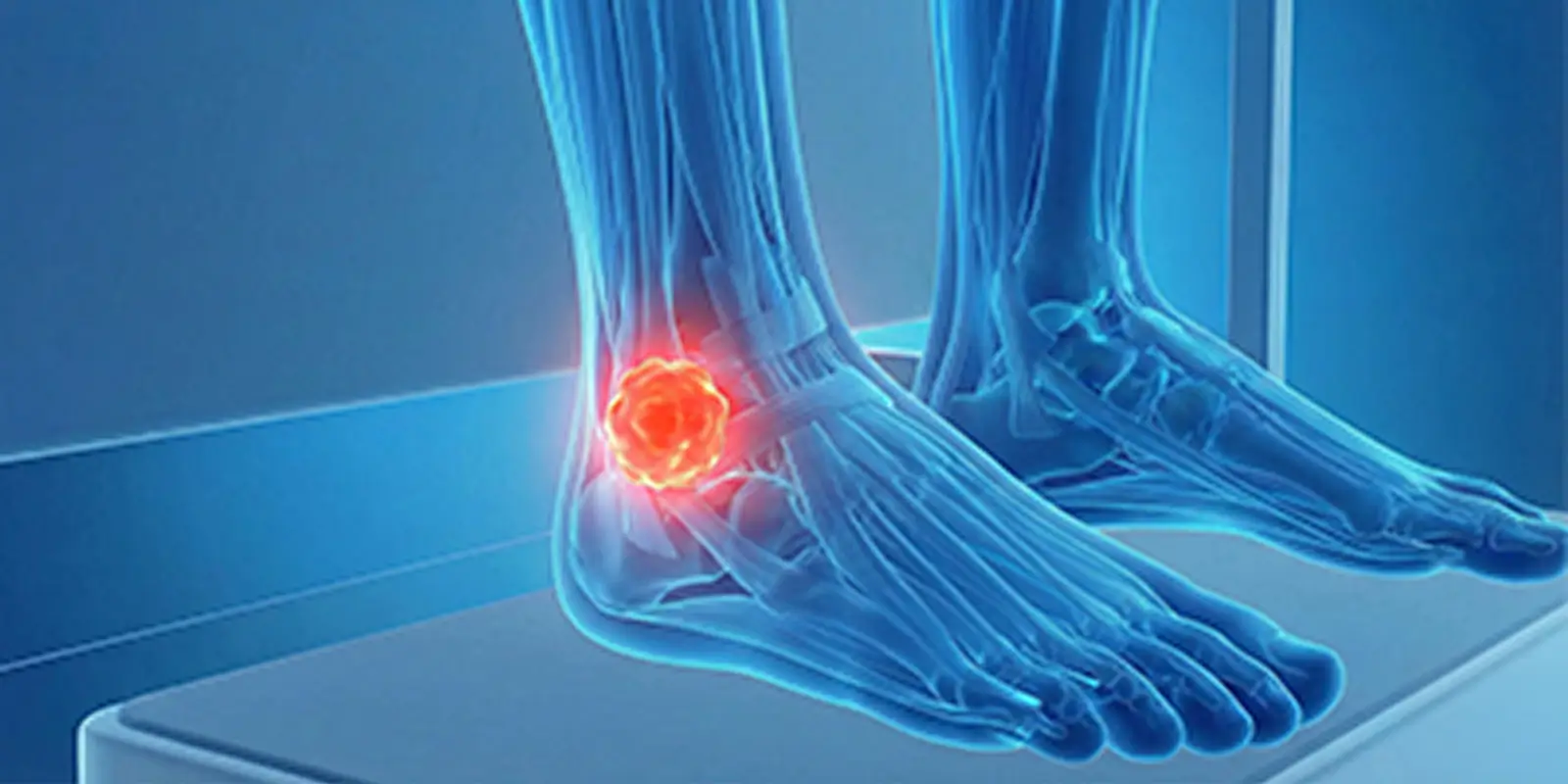
About half of soft-tissue sarcomas are seen in the thigh, around the knee, and the calf. These regions contain abundant muscle and fat. Sarcomas that develop inside deep muscle may go unnoticed for a long time and usually present as a painless mass.
2. Arm and Shoulder
The arm, around the elbow, and the shoulder are also common sites. Tumors near nerves and vessels can cause numbness, weakness, and limited motion.
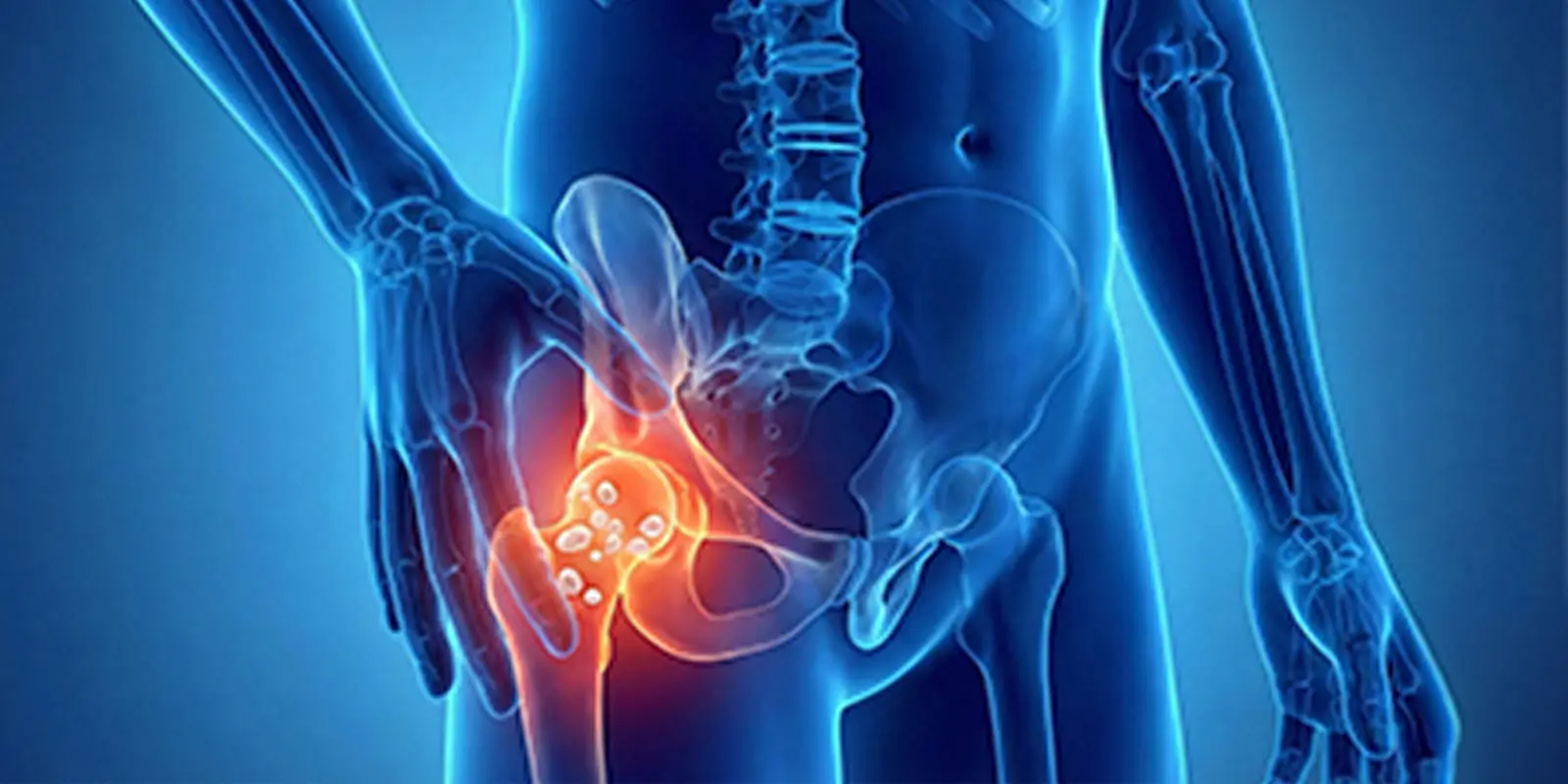
3. Around the Hip and Pelvis
The hip and pelvis are common sites for deep soft-tissue sarcomas. Tumors here are recognized late and, when they grow, can cause serious complaints such as urinary, bowel, or nerve compression.
4. Inside the Abdomen (Retroperitoneal Region)
One of the most insidious sites is inside the abdomen. Liposarcomas and similar tumors in this region may cause no symptoms until they reach a very large size. Abdominal swelling, weight loss, and digestive problems usually appear late.
5. Chest Wall and Back
Soft tissues around the rib cage, back muscles, and ribs can also be involved. Tumors in this region can affect breathing movements.
6. Head and Neck
Although uncommon, soft-tissue sarcomas can also develop in the face, jaw, neck, and floor of the mouth. Speech, swallowing, and cosmetic problems can then appear.
The question of where soft-tissue sarcomas occur is extremely important for early diagnosis, because deep masses are often assumed to be benign. Prof. Dr. Yavuz Arıkan emphasizes that every rapidly growing, firm mass in deep tissue must be evaluated for sarcoma.
What Are the Symptoms of Soft-Tissue Sarcoma?
Soft-tissue sarcoma symptoms vary with the tumor’s location, size, and the pressure it places on nearby tissues. The most important problem is that these malignant soft-tissue tumors can grow for a long time without symptoms. Many patients are therefore diagnosed when the disease is already advanced. Prof. Dr. Yavuz Arıkan emphasizes that small signs noticed early directly affect treatment success.
1. A Painless, Gradually Growing Mass
The most common symptom is a firm swelling in deep tissues that grows over time. This mass often causes no pain and is therefore ignored. Every gradually growing mass in the thigh, arm, hip, and shoulder should be evaluated for sarcoma.
2. Pain That Appears Over Time
There may be no pain at first, but as the tumor grows it can press on nearby muscles, nerves, and bone and cause severe, constant pain. This pain may increase at night and not respond to simple painkillers.
3. Limited Motion
When a soft-tissue sarcoma develops around a joint or inside a muscle, limited motion, stiffness, and weakness occur in the related limb. The patient may have difficulty raising an arm, walking, or sitting and standing.
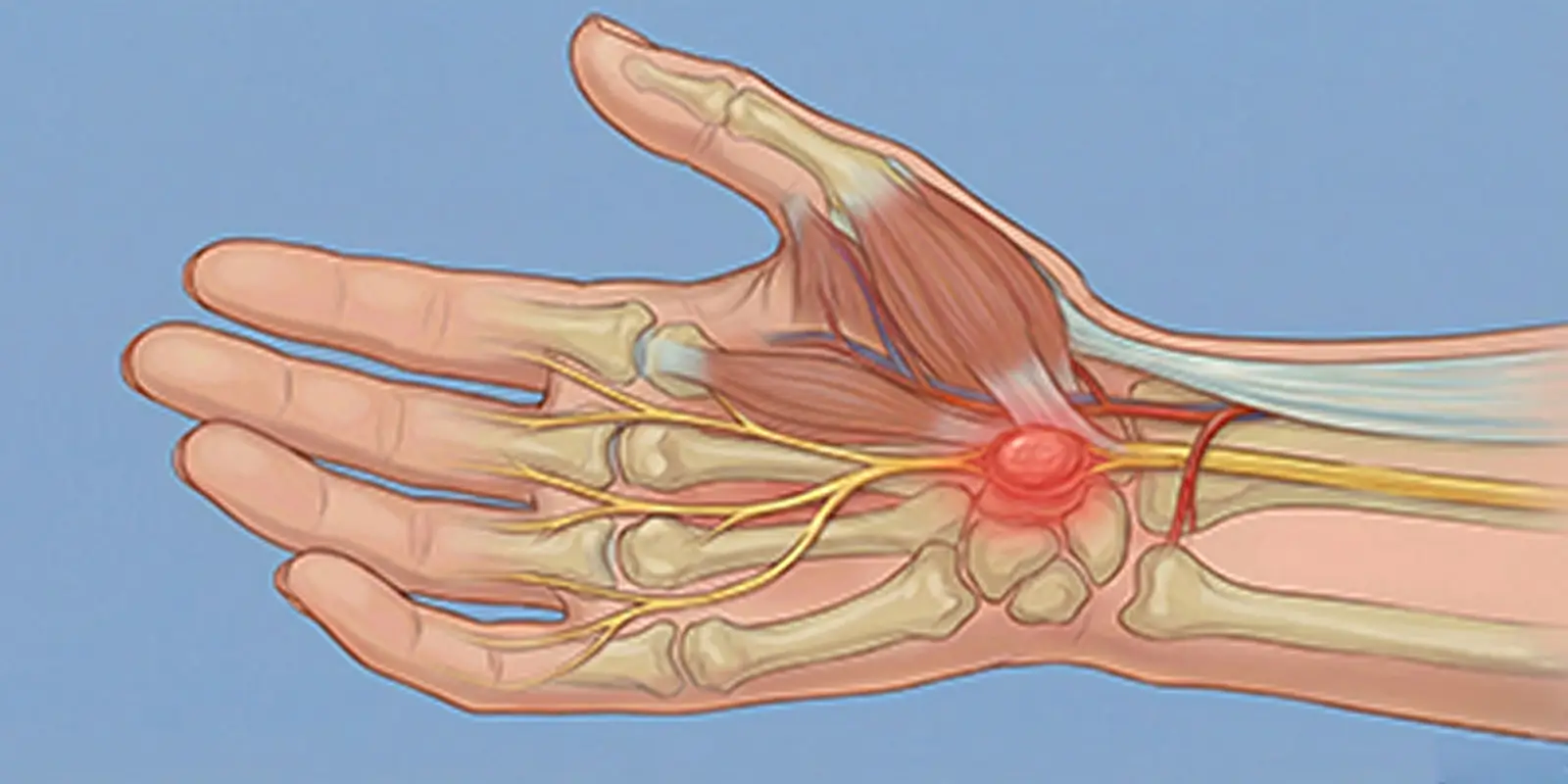
4. Symptoms From Nerve Compression
If the tumor is near nerves:
- Numbness
- Tingling
- Electric-shock-like pain
- Muscle weakness
can occur. These signs are often confused with a herniated disc or muscle entrapment.
5. Skin Shape Change and Swelling
In superficial soft-tissue sarcomas, an irregular, firm, immobile mass is felt under the skin. Redness, tightness, and sometimes increased warmth of the skin may occur.
6. Different Symptoms in Abdominal Sarcomas
In intra-abdominal soft-tissue sarcomas:
- Abdominal swelling
- Early satiety
- Weight loss
- Constipation or urinary problems
and other more systemic symptoms appear.
How Is Soft-Tissue Sarcoma Diagnosed?
Diagnosing a soft-tissue sarcoma requires a more comprehensive and careful process than evaluating an ordinary mass. These tumors can easily be confused with benign soft-tissue masses, and an incorrect procedure can spread the disease. Diagnosis must therefore follow orthopedic oncology principles. Prof. Dr. Yavuz Arıkan emphasizes that a correct diagnostic process in patients with suspected sarcoma directly affects treatment success.
1. Clinical Evaluation
The first step is the patient’s history and physical examination. The doctor assesses:
- How long the mass has been present
- Growth rate
- Whether there is pain
- Limited motion
Deep, firm, gradually growing masses are especially suspicious for soft-tissue sarcoma.
2. Magnetic Resonance Imaging (MRI)
MRI is the most valuable imaging method for diagnosing soft-tissue sarcoma. It clearly shows the tumor’s:
- Size
- Relationship to muscle, nerves, and vessels
- Internal structure
MRI provides strong clues as to whether the tumor is likely benign or malignant.
3. Computed Tomography (CT)
CT is used especially to evaluate intra-abdominal sarcomas and lung metastases. Because soft-tissue sarcomas most often spread to the lungs, chest CT is very important at diagnosis.
4. Ultrasound
Ultrasound can be used for first evaluation of superficial masses. It is not sufficient on its own for a sarcoma diagnosis.
5. Biopsy (Definitive Diagnosis)
Definitive diagnosis of a soft-tissue sarcoma is made by biopsy. The most important point is that the biopsy is done with the right technique and from the right site. Random biopsies can spread the tumor and make treatment more difficult. Biopsy must therefore be planned by an orthopedic oncology specialist.
6. Pathologic and Molecular Examination
The tissue sample is examined in the pathology laboratory. The tumor type (liposarcoma, leiomyosarcoma, synovial sarcoma, and similar types), grade, and aggressiveness are determined. This information forms the basis of the treatment plan.
How Is Soft-Tissue Sarcoma Treated?
Soft-tissue sarcoma treatment is a multidisciplinary process planned according to tumor type, size, location, and spread. The aim is not only to remove the tumor but also to prevent recurrence and spread through the body. Treatment must therefore be done at centers with orthopedic oncology experience. Prof. Dr. Yavuz Arıkan emphasizes that correct surgery and appropriate supportive treatments determine the patient’s survival and quality of life.
1. Surgery (Main Treatment)
The foundation of soft-tissue sarcoma treatment is surgery. The aim is to remove the tumor completely together with surrounding healthy tissue. This is called “wide surgical resection.” If the tumor is not fully cleared, remaining cells can cause the disease to return.
In sarcomas of the arms and legs, limb-salvage surgery is used today. Whereas amputation was sometimes required in the past, modern techniques allow the tumor to be removed while preserving the arm or leg.
2. Radiotherapy (Radiation Therapy)
Radiotherapy uses high-energy radiation to kill soft-tissue sarcoma cells. It is usually given:
- Before surgery to shrink the tumor
- After surgery to destroy microscopic remnants
It reduces the chance of recurrence, especially in high-risk tumors.
3. Chemotherapy
Chemotherapy is drug treatment that targets tumor cells systemically. It is not required in all soft-tissue sarcomas, but it is used in:
- High-grade
- Rapidly growing
- Metastatic
sarcomas. The aim is to control cancer cells that have spread through the body.
4. Targeted Therapies
In some soft-tissue sarcoma types, drugs that target specific features of tumor cells can be used. These treatments are more selective than classic chemotherapy and give effective results in some patients.
5. Follow-up After Treatment
Regular follow-up after soft-tissue sarcoma treatment is vital. MRI and chest CT are used to watch closely:
- Whether the tumor has returned
- Whether there is spread to the lungs
Prof. Dr. Yavuz Arıkan emphasizes that success in soft-tissue sarcoma treatment comes not only from surgery but from correct diagnosis, correct planning, and regular follow-up.
Conclusion
Soft-tissue sarcoma is a group of cancers that develop from muscle, fat, connective tissue, nerve, and vessel cells. They often progress silently but can threaten life if they are not handled correctly. The most critical feature is that they present as a mass that grows painlessly for a long time and can therefore be confused with benign soft-tissue tumors. This can delay diagnosis and allow the tumor to spread more widely. Every mass that is growing, firm, deep, or causing limited motion should therefore be evaluated for soft-tissue sarcoma.
In diagnosis, MRI, computed tomography, and a correctly planned biopsy are vital. Interventions made before the tumor type, spread, and aggressiveness are clarified can reduce the chance of successful treatment. Orthopedic oncology is decisive at this point. As emphasized in Prof. Dr. Yavuz Arıkan’s clinical approach, the first contact with a mass suspected of being a sarcoma can be critical enough to determine the patient’s outcome.
The essence of treatment is complete removal of the tumor with healthy margins. Surgery is supported when needed by radiotherapy and chemotherapy. This comprehensive approach aims both to reduce recurrence and to preserve the limb and quality of life. Regular follow-up is as important as treatment itself, because soft-tissue sarcomas can reappear in the body, especially in the lungs.
Awareness based on accurate information, early diagnosis, and treatment planned by an experienced team are the strongest tools in the fight against soft-tissue sarcoma.
Frequently Asked Questions
Frequently Asked Questions
No. Soft-tissue sarcoma is a malignant tumor that develops from muscle, fat, nerve, and connective tissue. It can be confused with benign masses such as lipoma (a fatty lump), but if untreated it can spread.
They are most common in the thigh, leg, arm, hip, and inside the abdomen. They can, however, develop anywhere in the body.
At first it is often painless. As the tumor grows it can press on nerves and muscles and cause pain, numbness, and limited motion.
No. Growing, firm, deep, and immobile masses, however, must be evaluated for soft-tissue sarcoma.
Imaging is done with MRI and CT. Definitive diagnosis is made by biopsy. Biopsy must be planned according to orthopedic oncology principles.
Yes. It most often metastasizes to the lungs. Chest CT is therefore very important during diagnosis and follow-up.
Yes. When it is caught at an early stage and removed with appropriate surgery, the success rate is high. Radiotherapy and chemotherapy are added when needed.
No. Surgery is the foundation of soft-tissue sarcoma treatment. Drugs or radiation are usually used as support.
It can recur. Patients are therefore followed for years with MRI and CT.
 WhatsApp
  Facebook
  Twitter
  Linkedin



 +90 505 398 34 34
 doctoryavuzarikan@gmail.com
 Book Appointment / Contact