

Treatment of Sharp Pain and a Stabbing Sensation When Loading the Knee


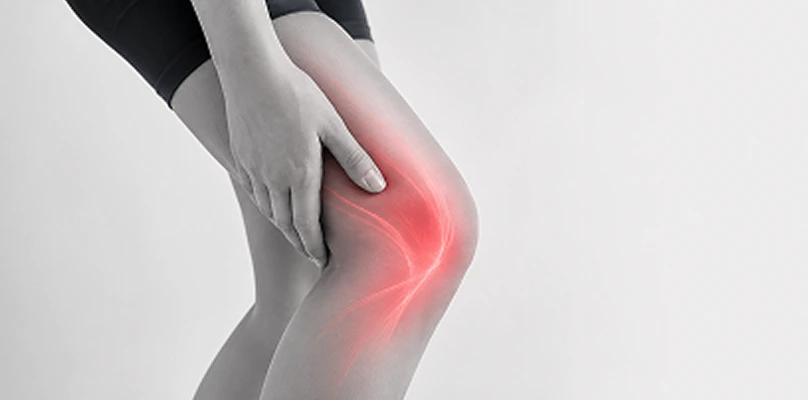
The knee is one of the joints that carries the most load and moves the most in the body. In daily life, while walking, going down stairs, squatting, or playing sports, the knee is constantly under load. For this reason, pain in the knee, especially a sharp, stabbing sensation that appears when the knee is loaded, is a common complaint.
Patients usually describe it as “it suddenly stabs when I put weight on the knee,” “it feels like a knife going into the knee together with a sharp ache,” or “there is a sharp pain in the knee while running.” This type of pain often comes from simple strain, but a serious pathology may also lie underneath.
This article covers the causes of sharp pain when loading the knee, diagnostic methods, treatment options, and when a doctor should be seen.
Why Does Sharp Pain Occur When Loading the Knee?
Sharp pain that appears when loading the knee usually indicates a mechanical or inflammatory problem in one region of the joint. The most common causes include:
- Patellofemoral pain syndrome (kneecap pain)
- Meniscus tears
- Tendon problems (tendinopathies)
- Cartilage damage and early osteoarthritis
- Ligament injuries
- Bursitis and synovial inflammation
Each of these causes can lead to sharp pain in a different region and with different movements. For this reason, exactly which movements increase the pain, which part of the knee it is in, and accompanying signs are important for an accurate diagnosis.
Patellofemoral Pain Syndrome: Stabbing Under the Kneecap
One of the most common causes of sharp pain when loading the knee is patellofemoral pain syndrome. This develops when the joint surface between the kneecap and the thigh bone is exposed to excessive pressure. Sharp pain is felt under and around the kneecap when climbing stairs, squatting, standing up after sitting for a long time, or running.
Patellofemoral pain syndrome usually develops because of muscle imbalance (quadriceps weakness), poor kneecap tracking, foot-arch problems, and overload. Patients often describe a “stabbing,” “sharp ache,” or “burning” sensation in the front of the knee.
Meniscus Tears: Sudden Sharp Pain and Catching
Meniscus tears appear especially during sudden twisting and bending movements. In people with a meniscus tear, sharp pain when loading the knee increases especially on stairs. Meniscus tears can also cause catching, locking, and swelling.
Meniscus tears can cause pain on the inner and outer sides of the knee. Inner meniscus tears usually present with pain on the inner side, and outer meniscus tears with pain on the outer side.
Tendon Problems: Tendinopathies
Strain of the tendons around the knee can also cause sharp pain. Tendinopathy can develop especially in the patellar tendon (kneecap tendon) and the quadriceps tendon. This is usually seen with running, jumping, and a sudden increase in training load. Patients feel sharp pain especially under and around the kneecap when loading the knee.
Sometimes structures such as the hamstrings or the iliotibial band (IT band) can also become irritated with overload and cause sharp pain on the outer side of the knee.
Cartilage Damage and Early Knee Osteoarthritis
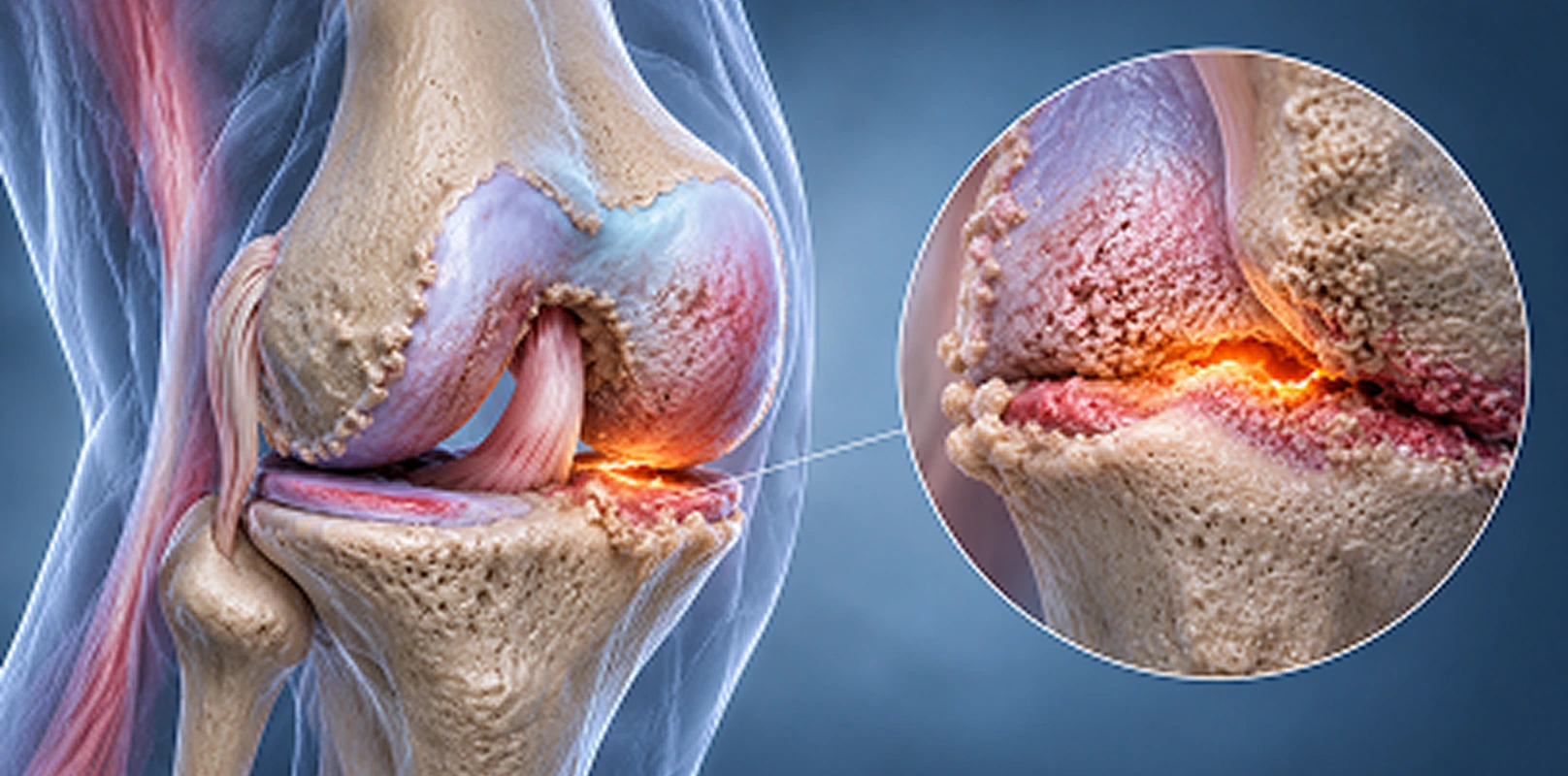
When cartilage damage occurs especially on the load-bearing surfaces of the knee, it can lead to sharp pain and a stabbing sensation when the knee is loaded. Cartilage damage can turn into osteoarthritis over time. For this reason, making the diagnosis in the early period and applying protective treatment is important.
Patients with cartilage damage usually also experience a “catching,” “pain,” and “stiffness” sensation in the knee. Pain is more noticeable on stairs.
Ligament Injuries: Loss of Knee Stability
Anterior cruciate ligament (ACL) and collateral ligament injuries can impair knee stability and cause pain and a feeling of insecurity when the knee is loaded. Especially after an ACL injury, a giving-way sensation, catching, and sharp pain may be seen. This is more common in athletes.
Ligament injuries most often occur after trauma, and patients may report hearing a “pop” at the moment of injury. In these situations, swelling and limited motion may also be present.
Bursitis and Synovial Inflammation: Localized Stabbing Around the Knee
Inflammation of the bursae around the knee (bursitis) or synovial inflammation inside the joint can also cause sharp pain when the knee is loaded. If pain is localized to the front of the knee, conditions such as prepatellar bursitis should be considered. Rheumatic diseases, infection, or overload can trigger bursitis.
In this situation, pain is concentrated more at a specific point on the knee, and tenderness increases when it is touched.
How Is the Diagnosis Made?
In patients with sharp pain when loading the knee, diagnosis starts first with a detailed history and physical examination. Your doctor asks about the location of pain, which movements increase it, and when the complaint started. Then range of motion, ligament stability, meniscus tests, and patellofemoral pain tests are performed.
Imaging methods help with diagnosis:
- X-ray: The basic method for assessing arthritis and bone structure
- MRI: The most effective method for evaluating meniscus tears, cartilage damage, and ligament injuries
- Ultrasound: Useful for soft-tissue problems such as tendon issues and bursitis
Treatment Options
The aim of treating sharp pain when loading the knee is to reduce pain and treat the underlying cause. The treatment plan is individualized.
Conservative Treatment
Conservative treatment is usually the first option. In this approach:
- Load reduction and rest
- Ice
- Physical therapy (muscle strengthening, flexibility, proprioception)
- Use of a knee brace or supportive bandage
- Short-term anti-inflammatory medication if needed
are used.
Advanced Treatment Options
Advanced options vary according to the underlying problem:
- Meniscus tear or cartilage damage: Arthroscopic surgery may be needed
- Patellofemoral pain syndrome: An appropriate exercise program and orthotic supports
- Tendon problems: Eccentric exercises and, when needed, injections such as PRP
- Advanced osteoarthritis: Lifestyle modification, weight control, intra-articular injections; knee replacement if needed
When Should You See a Doctor?
Sharp pain when loading the knee can often be seen as temporary strain. Specialist evaluation is needed, however, if:
- Pain lasts longer than 2–3 weeks
- There is swelling, locking, or a giving-way sensation in the knee
- Pain on stairs is gradually increasing
- Sudden, severe pain has developed in the knee
- There is deformity, redness, and increased warmth in the knee
These signs may indicate a more serious situation such as a meniscus tear, ligament injury, or serious cartilage damage.
Conclusion
Sharp pain and a stabbing sensation when loading the knee is a shared complaint of different pathologies in the knee joint. Patellofemoral pain syndrome, meniscus tears, tendon problems, cartilage damage, and ligament injuries are among the most common causes. With accurate diagnosis and appropriate treatment, most patients can return to normal life.
If your knee stabs, catches, or hurts when load is applied, do not postpone it. Early evaluation and the right treatment both reduce pain and protect your knee health in the long term.
Frequently Asked Questions

Specialist Opinion
Sharp pain and a stabbing sensation when loading the knee is a shared complaint of different pathologies in the knee joint. Patellofemoral pain syndrome, meniscus tears, tendon problems, cartilage damage, and ligament injuries are among the most common causes. With accurate diagnosis and appropriate treatment, most patients can return to normal life.
If your knee stabs, catches, or hurts when load is applied, do not postpone it. Early evaluation and the right treatment both reduce pain and protect your knee health in the long term.
Contact us to have your symptoms assessed and to learn about treatment options that may be right for you. Get in touch .
Frequently Asked Questions
Patellofemoral pain, meniscus tear, tendinopathy, cartilage damage, ligament injury, and bursitis are the most common causes.
Stabbing that increases when going up or down stairs, squatting, or after prolonged sitting is usually related to patellofemoral pain syndrome.
Sudden sharp pain may be accompanied by catching, locking, and swelling. Pain is often localized to the inner or outer side of the knee.
The first step is load reduction, ice, physical therapy, a knee brace, and short-term medication. Arthroscopy or injection methods are used if needed.
If pain lasts longer than 2–3 weeks, or if there is swelling, locking, a giving-way sensation, or sudden severe pain, orthopedic evaluation is needed.
Activities that increase pain should be reduced temporarily. Intense loading before a diagnosis is made can lead to chronic symptoms.
 WhatsApp
  Facebook
  Twitter
  Linkedin



 +90 505 398 34 34
 doctoryavuzarikan@gmail.com
 Book Appointment / Contact