

Revision Surgery (Implant Exchange)


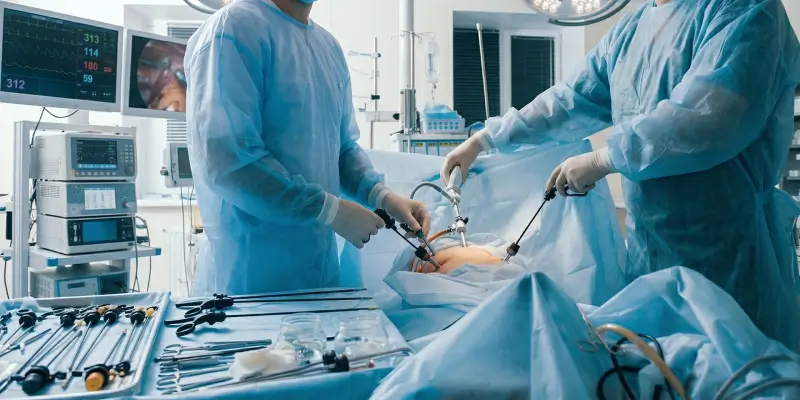
What Is Revision Surgery (Implant Exchange)?
Revision surgery means operating again on a previously performed hip or knee replacement for various reasons. The first replacement can in some patients lead to long-term complications or loss of function. This is where revision surgery comes in. The procedure is used in situations such as loosening, wear, dislocation, infection, or loss of joint stability, and aims to offer the patient safe joint motion and a less painful life.
Unlike the first replacement, revision surgery involves a more complex, planned process. The surgeon evaluates bone loss from the previous implant, tissue changes, and possible infection risk. Revision operations therefore require precise surgical techniques and experienced orthopedists. In modern practice, robotic support and computer guidance are used to achieve optimal alignment and long-term implant use.
Thanks to revision surgery, patients both gain less painful mobility and can continue daily activities more safely and independently. A correctly planned and performed revision also extends implant life and reduces complication risks to a minimum.
Why Is Revision Surgery Needed?
Revision surgery is used when a previous hip or knee replacement has failed for various reasons. These situations can negatively affect quality of life and seriously restrict joint function. Revision surgery is needed to correct these problems, extend implant life, and provide the patient with a less painful, safe, functional joint.
Implant Loosening and Wear
Over time, implant components may lose integration with bone or wear. This creates pain, instability, and limited motion in the joint. The risk is higher especially in patients who lead an active life or have used the implant for a long time.
Infection
A bacterial infection can develop around the joint where the implant was placed. When infection is present, the implant may need to be removed and cleaned, then a new implant placed. If not treated early, infection can cause serious joint damage and systemic complications.
Joint Dislocation or Instability
Incorrect implant positioning or trauma can lead to dislocation and instability. This causes patients to walk unsafely and with pain and makes revision surgery necessary.
Bone Loss and Deformity
Bone loss or deformity after the previous operation can disrupt implant stability. During revision surgery, joint balance is restored using bone grafts or special implants.
Pain and Loss of Function
In some patients, even if implant life is not over, severe pain and limited motion can seriously affect quality of life. This creates a need for revision surgery.
In Which Patients Is Revision Surgery Used?
Revision surgery is not needed for every implant patient; it is usually used for patients who have complications, pain, or loss of function after a previous hip or knee replacement. The decision is made by specialist orthopedists considering general health, implant life, bone structure, and lifestyle.
Patients With Implant Loosening or Wear
- If implant components have lost integration with bone or worn, pain and instability develop in the joint.
- This is seen especially in patients who lead an active life and have used the implant for a long time.
Patients at Risk of Infection
- If a bacterial infection has developed around the joint after the previous operation, the implant must be removed and revision surgery is needed.
- If infection is not controlled, the joint can be seriously damaged and systemic health risk increases.
Patients With Joint Instability or Dislocation
- Incorrect positioning of implant components or dislocation after trauma causes patients to move unsafely and with pain.
- In these situations, revision surgery restores joint balance and stability.
Patients With Pain and Loss of Function
- Even if implant life is not over, severe pain and limited motion can seriously reduce quality of life.
- Patients who have lost function and cannot continue daily activities independently are suitable candidates for revision surgery.
Patients With Bone Loss and Deformity
- If bone loss or deformity has occurred after the previous operation, revision is done with special implants and bone grafts to provide implant stability.
Evaluation Before Revision Surgery
Revision surgery is done to correct complications after previous replacement surgery and restore joint function to a maximum. Compared with the first replacement, however, revision is a more complex and riskier process. Detailed preoperative evaluation is therefore critical for surgical success and reducing complication risks.
Clinical Examination and Functional Assessment
- Pain level, range of motion, and muscle strength are examined carefully.
- Effects of the previous replacement and possible tissue changes are observed.
- Leg-length differences, gait patterns, and joint instability are assessed in detail.
- This stage helps the surgeon determine the surgical strategy.
Imaging
Correct imaging is essential in revision planning:
- X-ray: Shows implant component position, bone structure, and possible loosening.
- Computed tomography (CT): Clarifies bone loss, deformity, and anatomic details around the implant.
- Magnetic resonance imaging (MRI): Assesses soft tissue, muscle, and nerve status and detects infection or inflammation.
- These imaging methods help the surgeon determine the correct implant size and position.
Laboratory and Clinical Tests
- Infection risk is assessed: Inflammation markers such as CRP, ESR, and white blood cell count are checked.
- When needed, joint fluid analysis is done to investigate implant infection.
- General health and suitability for anesthesia are tested; heart, kidney, or lung function are reviewed.
Surgical Planning and Strategy
- The surgical strategy is formed considering bone loss, deformity, and previous implant complications.
- Robotic or computer-assisted systems are included in planning to provide correct implant alignment and stability.
- If needed, bone grafts, special revision implants, or reinforcement materials are planned before surgery.
Patient Information and Explanation of Risks
- The surgical process, possible complications, and rehabilitation are explained in detail.
- Patient expectations are managed and information is given about postoperative life, activities, and implant life.
- This process prepares the patient consciously for surgery and increases surgical success.
The Revision Surgery Process
Revision surgery is the process of operating again on previously placed hip or knee implants for various reasons. Because of factors such as the complexity of the previous operation, implant status, bone loss, and infection risk, it requires more careful planning and application than the first replacement. The aim of revision surgery is to provide the patient with less painful movement, joint stability, and long-term implant use.
Preparation Before Surgery
- General health is assessed in detail; heart, lung, kidney, and blood-clot risks are reviewed.
- Sterilization and an antibiotic protocol are planned; measures are taken especially against infection risk.
- Robotic or computer-assisted systems are used to plan correct implant positioning and joint balance in advance.
- If needed, bone grafts or special revision implants are prepared before surgery to compensate for bone loss.
Removal of the Implant and Joint Preparation
- The old implant is removed carefully without damaging surrounding bone and soft tissues.
- Fibrous tissue around the implant, old cement, or loose fragments are cleaned.
- The bone surface is prepared for optimal stability and long-term use of the new implant.
- If there is bone loss and deformity at this stage, appropriate graft or support materials are used.
Placement of the New Implant
- New implant components are chosen according to the joint anatomy and the patient’s bone structure.
- Component position is placed carefully considering joint balance, range of motion, and load distribution.
- Robotic or computer-assisted surgery provides precise alignment, minimizing wear and loosening risk.
- If needed, surrounding soft tissues and muscles are adjusted to increase stability.
Postoperative Check and Closure
- The surgical field is closed in a sterile way and a drain may be placed.
- Antibiotic treatment is given after surgery to reduce infection risk.
- A safe plan is made for first mobilization; patients usually start controlled walking within 1–2 days.
Start of Rehabilitation
- After revision surgery, physical therapy and muscle-strengthening programs increase joint mobility and stability.
- Slow, controlled movements support the implant’s load-bearing capacity and long-term use.
- The rehabilitation process is personalized to improve quality of life and speed return to daily activities.
Rehabilitation and Follow-up After Revision Surgery
Rehabilitation after revision surgery is critical for the patient to gain maximum benefit from the implant, restore joint function, and reduce complication risk. Because of the complexity of previous replacement surgery, bone loss, or tissue damage, recovery after revision requires a more careful, planned approach.
Early Rehabilitation (0–6 Weeks)
- Patients stand in a controlled way and start short-distance walking on day 1–2 after surgery.
- Wound care, drain checks, and pain management are critical in this period.
- Simple joint movements and light muscle-strengthening exercises are started; this prevents joint stiffness and reduces muscle atrophy.
- Physical therapists focus on developing safe walking and balance skills.
Intermediate Rehabilitation (6 Weeks – 3 Months)
- Patients can do longer walks and start simple daily activities.
- Physical therapy programs are prepared individually to increase range of motion, strengthen muscle, and provide balance.
- Implants placed with robotic support and precise surgery support natural joint motion in this period.
- Patients begin to gain confidence in independent daily activities.
Long-term Rehabilitation (3 Months – 1 Year)
- Regular exercise and physical therapy increase muscle strength and joint stability.
- High-impact sports are generally not recommended; low-impact walking, swimming, and cycling are encouraged.
- Weight control reduces load on the implant and extends implant life.
- Annual checks monitor implant status; complications such as loosening, wear, or infection are detected early.
Patient Education and Lifestyle Adjustments
- Patients are informed about avoiding falls, trauma, and high load.
- Daily activities, home arrangements, and safe movement habits are taught.
- Lifestyle advice is given so that patients can live a less painful, independent, functional life in the long term.
Follow-up Program
- First 6 weeks: weekly or every two weeks clinical check and wound assessment
- 3 months: check of implant position and joint function
- 6 months and after: annual X-ray and examination to follow implant status
Advantages of Revision Surgery
Revision surgery is a critical surgical method used to solve problems such as pain, instability, and loss of function after previous hip or knee replacement. A successful revision provides many advantages:
- Reduced pain: Revision surgery substantially reduces pain from a loosened, worn, or infected implant. Patients can continue daily activities more comfortably and with less pain.
- Restored function: Range of motion and muscle stability are provided so that patients can walk, use stairs, and do daily activities safely.
- Extended implant life: Correct positioning of the new implant and placement suited to bone structure allow the implant to work healthily for longer.
- Reduced complication risk: Detailed preoperative evaluation and modern techniques (robotic and computer-assisted) minimize infection, loosening, or dislocation risk.
- Improved quality of life: With a less painful, stable joint, patients can return more actively to independent daily activities and social life.
- Prevention of chronic problems: Revision surgery prevents progressive bone loss, deformity, and muscle weakness, blocking long-term complications.
When correctly planned and performed by specialists, revision surgery provides great physical and psychological benefit.
Risks and Complications of Revision Surgery
Because of its complexity and the effects of the previous operation, revision surgery carries some risks. These risks may vary with age, general health, bone quality, and implant history:
- Infection: A bacterial infection can develop around the implant; this requires extra precautions by the surgeon.
- Blood clot (DVT): There may be a risk of deep vein thrombosis after surgery; it is prevented with early mobilization and prophylaxis.
- Nerve or vessel injuries: There is a risk of damage to surrounding tissues during surgery; experienced surgeons minimize this risk.
- Implant loosening or dislocation: If the new implant is not placed correctly or bone structure is insufficient, stability problems may be seen.
- Bone fracture or loss: Fracture risk increases especially if bone has weakened after the previous implant.
- Pain and limited motion: In some patients pain may not go away completely, or range of motion may remain limited.
- Need for another operation: Rarely, if loosening or a complication occurs again, a second revision may be needed.
Conclusion
Revision surgery is an advanced orthopedic procedure that offers a solution to complications such as loosening, wear, infection, instability, bone loss, or pain after hip and knee replacement. This operation aims not only to exchange the implant but also to restore joint function, stabilize bone structure, and improve quality of life.
A successful revision process starts with detailed clinical evaluation, advanced imaging, and surgical planning. Imaging techniques such as X-ray, CT, and MRI provide the surgeon with critical information about implant status, bone loss, and the health of surrounding tissues. Laboratory tests also assess infection risk and general health. This preparation stage makes it possible to perform surgery safely and effectively.
During revision surgery the old implant is removed carefully, bone surface and soft tissues are prepared appropriately, and new implant components are placed according to the joint anatomy and the patient’s lifestyle. Modern techniques, robotic support, and computer guidance support correct positioning and joint balance. When needed, bone grafts or special revision implants are used to correct bone loss and deformities.
The postoperative process includes rehabilitation, physical therapy, early mobilization, and regular follow-up. Patients increase muscle strength with controlled exercises, gain range of motion, and return safely to daily activities. Rehabilitation extends implant life, reduces pain, and strengthens joint stability. Patient education raises awareness about avoiding falls, trauma, and overload, supporting long-term success.
The main advantages of revision surgery include reduced pain, restored function, extended implant life, and improved quality of life. The procedure also carries risks such as infection, blood clots, nerve or vessel injury, implant loosening, or fracture. With experienced orthopedists and correct planning, these risks are minimized and the great majority of patients gain a less painful, stable, functional joint.
In summary, revision surgery is a safe, effective surgical solution that improves quality of life for patients with implant complications. With correct preparation, specialist surgery, and comprehensive rehabilitation, patients can return independently and with less pain to daily activities and achieve long-term implant use.
Frequently Asked Questions

Specialist Opinion
Revision surgery is an advanced orthopedic procedure that offers a solution to complications such as loosening, wear, infection, instability, bone loss, or pain after hip and knee replacement. This operation aims not only to exchange the implant but also to restore joint function, stabilize bone structure, and improve quality of life.
A successful revision process starts with detailed clinical evaluation, advanced imaging, and surgical planning. Imaging techniques such as X-ray, CT, and MRI provide the surgeon with critical information about implant status, bone loss, and the health of surrounding tissues. Laboratory tests also assess infection risk and general health. This preparation stage makes it possible to perform surgery safely and effectively.
During revision surgery the old implant is removed carefully, bone surface and soft tissues are prepared appropriately, and new implant components are placed according to the joint anatomy and the patient’s lifestyle. Modern techniques, robotic support, and computer guidance support correct positioning and joint balance. When needed, bone grafts or special revision implants are used to correct bone loss and deformities.
The postoperative process includes rehabilitation, physical therapy, early mobilization, and regular follow-up. Patients increase muscle strength with controlled exercises, gain range of motion, and return safely to daily activities. Rehabilitation extends implant life, reduces pain, and strengthens joint stability. Patient education raises awareness about avoiding falls, trauma, and overload, supporting long-term success.
The main advantages of revision surgery include reduced pain, restored function, extended implant life, and improved quality of life. The procedure also carries risks such as infection, blood clots, nerve or vessel injury, implant loosening, or fracture. With experienced orthopedists and correct planning, these risks are minimized and the great majority of patients gain a less painful, stable, functional joint.
In summary, revision surgery is a safe, effective surgical solution that improves quality of life for patients with implant complications. With correct preparation, specialist surgery, and comprehensive rehabilitation, patients can return independently and with less pain to daily activities and achieve long-term implant use.
Contact us to have your symptoms assessed and to learn about treatment options that may be right for you. Get in touch .
Frequently Asked Questions
It is used in patients who have loosening, wear, infection, dislocation, instability, or severe pain after a previous replacement. Patients with bone loss or deformity are also suitable candidates.
Every operation carries risk. In revision surgery there are risks of infection, blood clots, nerve or vessel injury, implant loosening, or fracture. Experienced surgeons and modern techniques minimize these risks.
The first 6 weeks involve controlled movement and early mobilization; 6 weeks to 3 months is intermediate rehabilitation; 3–12 months is long-term rehabilitation and muscle strengthening for full function. Full recovery usually occurs between 6 and 12 months.
In most patients pain decreases substantially; depending on implant life, muscle strength, and joint stability, mild pain may continue in some patients.
Correctly placed and well-rehabilitated revision implants can usually remain functional for 10–20 years or longer.
Low-impact activities (walking, swimming, cycling) are recommended. High-impact sports are generally not recommended.
Sterile wound care, regular checks, antibiotic treatment, and hygienic measures reduce infection risk.
Patients usually return to independent daily activities with a less painful, stable joint. Rehabilitation substantially increases mobility and quality of life.
 WhatsApp
  Facebook
  Twitter
  Linkedin




 +90 505 398 34 34
 doctoryavuzarikan@gmail.com
 Book Appointment / Contact