

Is Physiotherapy Necessary After Robotic Surgery?


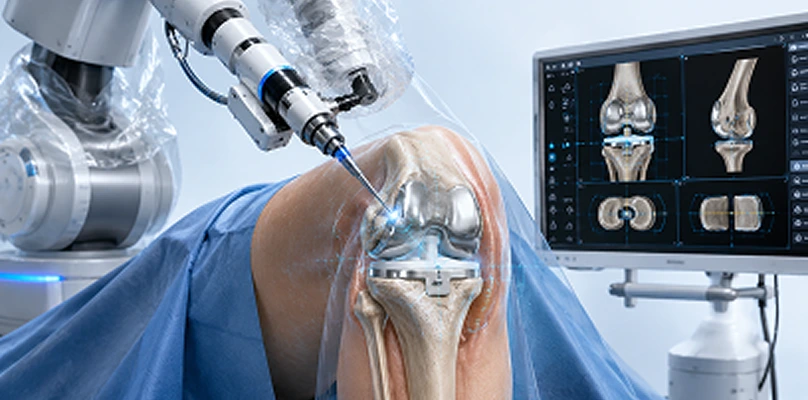
Robotic surgery is one of the most notable advances in modern medicine. Smaller incisions, less bleeding, faster recovery, and less pain have made it a frequently preferred method. In orthopedics, especially in joint procedures such as knee and hip replacement, robot-assisted surgery increases surgical accuracy and allows more precise implant placement. Robotic surgery alone, however, does not determine the entire postoperative recovery. The critical question is: “Is physiotherapy necessary after robotic surgery?”
What Is Robotic Surgery and What Does It Provide?
Robotic surgery supports the surgeon’s skill and experience with robotic systems so that the operation can be performed more precisely. The surgeon works under the control of the robotic system, and the robot directs the instruments in a more stable, accurate way. Implant placement, incisions, and protection of surrounding tissues are therefore more controlled.
One of the most important advantages is greater accuracy in implant positioning. In procedures such as knee replacement, implant angle, alignment, and soft-tissue balance matter a great deal. Robotic systems give the surgeon three-dimensional planning and precise measurement during surgery, which helps place the implant more accurately.
Other advantages include smaller incisions, less bleeding, less tissue trauma, and earlier initial movement. These features help the patient move more comfortably after surgery and reduce pain more quickly. An important point remains: even though robotic surgery makes the operation more precise and controlled, the body’s healing and muscle-strengthening process continues in the same way.
Does Robotic Surgery “Complete Recovery”?
Robotic surgery improves the technical quality of the operation, but recovery does not depend on surgical success alone. Healing is a process in which tissue repair, muscle strengthening, joint range of motion, and nerve–tissue adaptation all proceed together. Robotic surgery may make the operation less traumatic, but the body’s response to surgery continues. Robotic surgery is therefore not a method that “completes” recovery on its own.
After surgery, the patient must use the implant correctly, rebuild muscle strength, and regain joint range of motion. That process is provided by physiotherapy and rehabilitation. Robotic surgery may shorten rehabilitation or reduce pain, but it does not remove the need for rehabilitation.
Why Is Physiotherapy Needed After Robotic Surgery?
Physiotherapy after robotic surgery is the most important factor that makes the surgical result lasting. When the implant is well placed, the muscles are strong enough, and joint range of motion reaches an optimal level, the patient can return to daily life and sport. Physiotherapy is a planned process for reaching those goals.
Physiotherapy after robotic surgery is done to:
-
Strengthen the muscles around the knee and hip
-
Increase joint range of motion
-
Restore balance and proprioception
-
Increase independence in daily activities
-
Build correct loading habits for long-term implant use
When these goals combine with the technical success of robotic surgery, the patient can achieve a better quality of life.
Does Robotic Surgery Shorten Physiotherapy?
Many patients and relatives expect robotic surgery to speed the postoperative course. That expectation is not entirely wrong; less tissue trauma and less pain can make recovery more comfortable. It does not, however, eliminate the need for physiotherapy.
Whether robotic surgery shortens physiotherapy depends on the patient’s age, general health, preoperative muscle strength, and adherence to rehabilitation. Some patients progress faster after robotic surgery and start walking earlier. Rebuilding muscle strength, fully restoring range of motion, and gaining balance control still take time. The physiotherapy program therefore usually continues in a planned way even after robotic surgery.
How Is Physiotherapy Planned After Robotic Surgery?
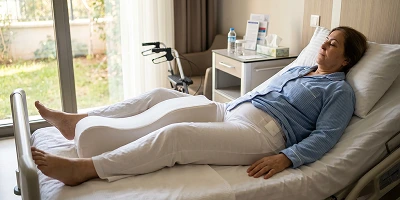
The physiotherapy plan after robotic surgery is prepared individually according to the patient’s preoperative condition, postoperative recovery speed, and goals. The program usually starts in the first days with basic movements and swelling control. Elevation, ice, gentle muscle contractions, and gait training are the priorities in this period.
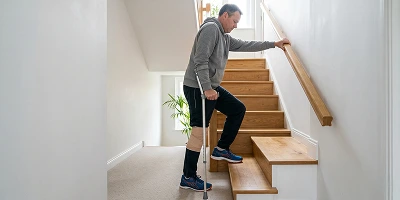
In later weeks, range of motion is increased, and strengthening and balance work are added. The aim is not only to strengthen the area around the knee or hip, but also to increase independence in daily activities. The program therefore includes functional movements such as walking, stair climbing, and sit-to-stand.
Home exercises also matter a great deal. Clinic sessions take place a few days a week, while home exercises determine daily progress. Regular practice of the program therefore increases the rate of improvement.
Robotic Surgery and Physiotherapy: What Determines Success?
Among the factors that determine recovery after robotic surgery, adherence to physiotherapy is as important as the technical quality of the operation. The implant can be placed more accurately with robotic surgery, but long-term, trouble-free use depends on adequate muscle strength and correct loading habits.
The patient’s motivation and discipline play a large role. Patients who attend physiotherapy regularly tend to recover faster. The loading and activities recommended by the surgeon also shape recovery. Robotic surgery can provide a faster start, but the rest of the process is shaped by physiotherapy.
How Long Does Physiotherapy Last After Robotic Surgery?
Duration depends on age, general health, preoperative muscle strength, and postoperative swelling and pain. In general, physiotherapy after robotic surgery continues intensively for the first 6–12 weeks. Range of motion and muscle strength increase rapidly in this period. Sessions are then reduced and progress continues with a home program.
Physiotherapy is not limited to a fixed period. Some patients continue an exercise program longer for durable implant use and return to sport. In people with an active lifestyle, regular exercise and strengthening improve implant performance in the long term.
Factors That Reduce the Need for Physiotherapy After Robotic Surgery
The most important factor that reduces the need for physiotherapy after robotic surgery is a strong muscle system before the operation. Strong muscles before surgery allow faster recovery afterward. For that reason, some patients are offered “prehab” strengthening programs before surgery. Prehab speeds postoperative recovery and makes physiotherapy easier.
Another factor is general health and weight control. A healthy body speeds healing. Excess weight increases the load on the joint and can slow recovery. Weight control and healthy nutrition therefore play an important role in physiotherapy after robotic surgery.
Conclusion: Robotic Surgery Does Not Make Physiotherapy Unnecessary
Robotic surgery improves the technical success of the operation and makes recovery easier. It offers advantages such as less tissue trauma, less pain, and earlier initial movement. It does not, however, make physiotherapy unnecessary. Physiotherapy is essential for strengthening the muscles around the knee or hip, increasing range of motion, restoring balance and proprioception, and performing daily activities safely.
Physiotherapy after robotic surgery is therefore the most important factor that makes the surgical result lasting. The operation is performed more accurately with robotic surgery, but recovery and return to sport become possible with physiotherapy. Understanding this process and following it with discipline helps patients live a healthier, more active life in the long term.
Frequently Asked Questions

Specialist Opinion
Robotic surgery improves the technical success of the operation and makes recovery easier. It offers advantages such as less tissue trauma, less pain, and earlier initial movement. It does not, however, make physiotherapy unnecessary. Physiotherapy is essential for strengthening the muscles around the knee or hip, increasing range of motion, restoring balance and proprioception, and performing daily activities safely.
Physiotherapy after robotic surgery is therefore the most important factor that makes the surgical result lasting. The operation is performed more accurately with robotic surgery, but recovery and return to sport become possible with physiotherapy. Understanding this process and following it with discipline helps patients live a healthier, more active life in the long term.
Contact us to have your symptoms assessed and to learn about treatment options that may be right for you. Get in touch .
Frequently Asked Questions
Yes. Robotic surgery does not eliminate the need for physiotherapy. Rehabilitation is essential for muscle strength, balance, and range of motion.
Less trauma and more accurate implant placement can make it easier to start rehabilitation, but physiotherapy is still required.
Duration is individual. Intensive treatment usually lasts the first 6–12 weeks, followed by a home exercise program.
Treatment starts with elevation, ice, gentle muscle contractions, and assisted walking. Range-of-motion, strengthening, and balance work are added later.
Yes. Following the home program as consistently as clinic sessions clearly affects recovery speed and outcome.
Prehab—preoperative strengthening and weight control—can speed recovery.
 WhatsApp
  Facebook
  Twitter
  Linkedin


 +90 505 398 34 34
 doctoryavuzarikan@gmail.com
 Book Appointment / Contact