

Stair-Climbing Techniques: Which Leg Should Go First?


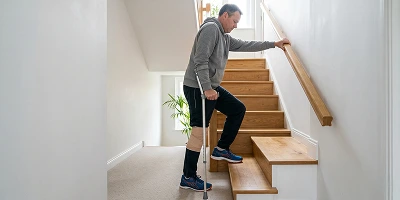
Using stairs after surgery can be physically and psychologically demanding. After hip replacement, knee replacement, spinal surgery, or lower-limb operations, incorrect stair technique can cause falls, increased pain, and harm to the implant or surgical site. “Which leg should go first going up?” and “Which leg should lead going down?” are therefore among the most frequently asked postoperative questions.
Why Does Stair Use Matter After Surgery?
Stair climbing is an important part of daily life. Correct technique after surgery increases independence while protecting the surgical site. Incorrect techniques overload the joint, increase pain, strain sutures, and delay healing.
Correct stair use is important because it:
- Reduces fall risk
- Protects the surgical site
- Balances muscle and joint loading
- Reduces pain and swelling
- Provides safe mobilization
Which Leg Should Go First When Going Up Stairs?
The basic rule going up is: the strong leg goes first. The unoperated or stronger leg takes the first step.
The reason is that the leg with greater weight-bearing capacity takes the load. The operated leg is then brought up to the same step for support.
The step sequence going up is:
- The strong leg is placed on the step above
- The operated leg is then brought to the same step
- A crutch or cane provides support if needed
This technique prevents excessive strain on the operated leg and provides a safe ascent.
Which Leg Should Go First When Going Down Stairs?
The basic rule going down is the reverse: the operated leg goes first. The strong leg then supports and controls the body’s weight.
The step sequence going down is:
- The operated leg is lowered to the step below
- The strong leg is then brought to the same step
- A grab bar or handrail is always used
This technique reduces load on the knee and hip and minimizes fall risk.
Why Is This Leg Sequence Recommended?
The load on the joints during stair use is much greater than walking on level ground. The knee and hip can carry several times body weight on stairs.
Therefore:
- Going up, the strong leg carries the load
- Going down, the strong leg controls balance
- The operated leg is strained less
This principle helps reduce pain and supports healthy recovery.
Using a Cane, Crutches, or a Walker
Assistive devices matter a great deal when using stairs after surgery. A cane, crutches, or a walker improve balance.
A cane or crutches should be used as follows:
- The cane is held on the side opposite the operated leg
- Going up, the cane moves with the strong leg
- Going down, the cane is lowered with the operated leg
A walker is generally not suitable for stairs. Training with a physiotherapist is recommended before stair use.
General Rules for Stair Use
After surgery, the following rules should be observed:
- Always use a handrail or grab bar
- Do not rush; move slowly and under control
- Do not wear slippers or shoes with slippery soles
- Stair steps should be clearly visible
- Provide adequate lighting for night-time stair use
These rules reduce fall risk and provide safe movement.
Stair Use After Hip and Knee Replacement
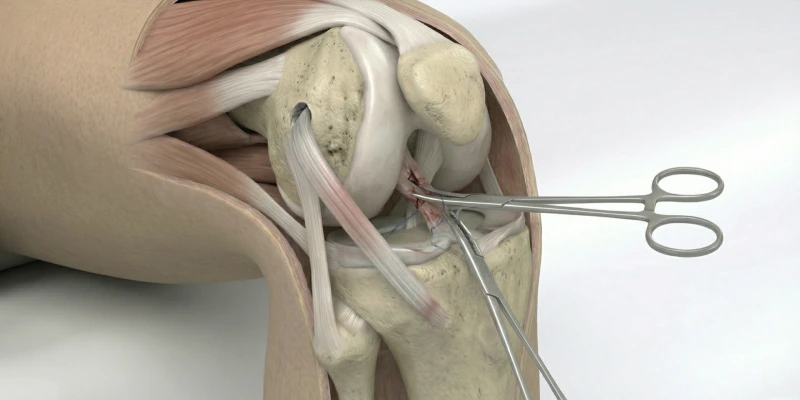
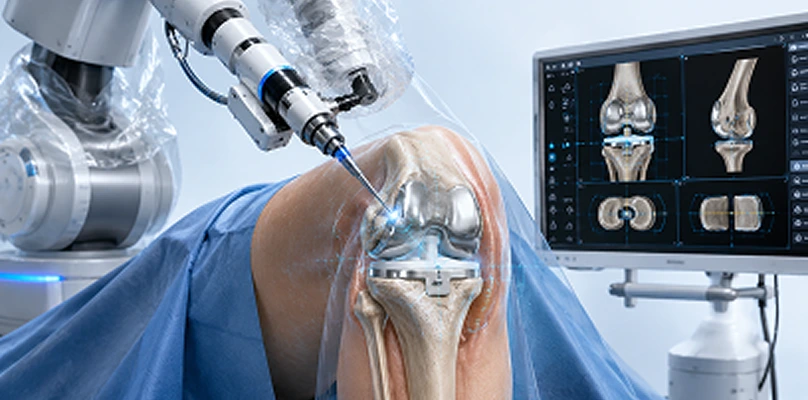
Stair use is especially important after hip and knee replacement. Implant stability and the strength of the muscles around the joint have not yet fully returned.
Recommendations after hip and knee replacement:
- Limit stair use in the first weeks if possible
- Always go up and down with support
- Pause on each step to regain balance before continuing
- Do the exercises recommended by the physiotherapist regularly
These recommendations help protect the implant and support healthy recovery.
When Does Stair Use Become Unrestricted?
When stairs become fully unrestricted depends on the type of surgery, muscle strength, and balance. In general:
- First 2–4 weeks: with support and under control
- 4–8 weeks: more comfortable but still careful
- After 8 weeks: most patients are safer and more independent
These times vary from patient to patient. The recommendations of the surgeon and physiotherapist should be followed.
Common Mistakes
Common mistakes after surgery include:
- Starting with the wrong leg
- Not using the handrail
- Rushing
- Using the assistive device incorrectly
- Walking on wet or slippery steps
These mistakes can increase the risk of falls and injury.
Conclusion and Overall Assessment
Stair climbing is a safe activity after surgery when done with the correct technique. The basic rule is: going up, the strong leg first; going down, the operated leg first. This simple but effective rule protects the joints and reduces fall risk.
Not rushing, using grab bars, and following the recommendations of the surgeon and physiotherapist all affect recovery positively.
Frequently Asked Questions

Specialist Opinion
Stair climbing is a safe activity after surgery when done with the correct technique. The basic rule is: going up, the strong leg first; going down, the operated leg first. This simple but effective rule protects the joints and reduces fall risk.
Not rushing, using grab bars, and following the recommendations of the surgeon and physiotherapist all affect recovery positively.
Contact us to have your symptoms assessed and to learn about treatment options that may be right for you. Get in touch .
Frequently Asked Questions
Going up, the strong leg goes first, then the operated leg. This sequence reduces the load on the operated side.
Going down, the operated leg goes first, then the strong leg. Using the handrail improves balance.
The cane is usually held on the side opposite the operated leg. It moves with the strong leg going up and with the operated leg going down.
A walker is generally not suitable for stairs. Physiotherapist training is recommended for a safe technique.
Typically 2–4 weeks with support and 4–8 weeks of careful use are recommended. After about 8 weeks most patients become more independent; the exact time is individual.
Wrong leg sequence, rushing, not using the handrail, and using slippery shoes are the most common mistakes.
 WhatsApp
  Facebook
  Twitter
  Linkedin




 +90 505 398 34 34
 doctoryavuzarikan@gmail.com
 Book Appointment / Contact