

What Is Osteoblastoma? Symptoms, Diagnosis, and Treatment


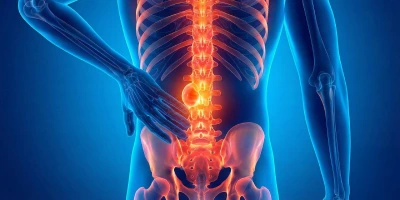
Osteoblastoma is a rare benign bone tumor. It most often appears in childhood and young adulthood, but it can occur at any age. Osteoblastomas arise from osteoblasts, the cells that form bone, and typically develop in the spine, pelvis, long bones, and bones of the hands and feet. Although they are considered benign, growth can compress nearby bone, nerves, and joints and cause significant pain and loss of function.
Osteoblastoma can be confused with osteoid osteoma, a smaller and more common tumor. Osteoblastomas are usually larger, may behave more aggressively, and are more likely to need surgery. Accurate diagnosis is therefore essential for quality of life.
At orthopedic oncology practices in Istanbul, and in Prof. Dr. Yavuz Arıkan’s clinical approach to bone tumors, patients with osteoblastoma are evaluated with the same care as those with malignant tumors. These lesions can occasionally follow an aggressive course, and incorrect treatment can lead to serious complications.
What Is Osteoblastoma?
Osteoblastoma is a benign bone tumor caused by abnormal, uncontrolled growth of osteoblasts. It most often involves the spine, pelvis, and long bones (especially the femur). As it enlarges, it can press on surrounding bone, nerves, and joints, causing severe pain, limited motion, and structural damage.
The recurrence rate is generally low, but some aggressive forms grow faster and, rarely, may transform into malignant bone tumors. Osteoblastoma should therefore be treated as a bone tumor that needs regular follow-up and, when indicated, surgery—not as a simple bone cyst.
The exact cause is not fully known. Genetic factors affecting bone development, disrupted cell-growth control, and local trauma may play a role. Clinical observations show that osteoblastoma is more common in males than females and is most often diagnosed between ages 10 and 30. It can also appear in childhood, adulthood, and later life.
In orthopedic oncology evaluations in Istanbul, spinal osteoblastomas carry a risk of nerve compression and lasting neurologic injury. In Prof. Dr. Yavuz Arıkan’s orthopedic oncology practice, these patients receive detailed imaging and a long-term follow-up program, similar to malignant tumors.
Osteoblastoma Symptoms
The most common symptom is long-lasting, deep bone pain in the affected area. The pain often does not ease with rest and typically increases at night. In orthopedic oncology clinics in Istanbul, night-worsening bone pain is an important warning sign for osteoblastoma.
As the tumor grows, it may compress:
- Surrounding bone
- Nerves
- Joint structures
This can cause limited motion, muscle weakness, and neurologic symptoms. Spinal osteoblastomas may cause numbness, tingling, and even walking difficulty.
Other common symptoms:
- Local swelling
- Tenderness that increases with pressure
- Loss of function in the affected area
- Persistent fatigue
According to Prof. Dr. Yavuz Arıkan’s clinical observations in bone tumors, osteoblastoma pain differs from typical muscle–joint pain and tends to worsen over time.
How Osteoblastoma Is Diagnosed
Diagnosis begins with clinical examination and is confirmed with advanced imaging. The standard orthopedic oncology approach in Istanbul is to review X-ray, MRI, and CT together.
X-ray
On X-ray, osteoblastoma usually appears as:
- A centrally located lesion
- Relatively well-defined borders
- Areas of calcification
MRI (Magnetic Resonance Imaging)
MRI is essential for showing:
- Spread within the bone marrow
- Proximity to nerves and muscle
- Surgical margins
CT (Computed Tomography)
CT details cortical destruction and the true size of the tumor.
Biopsy
Biopsy is required for a definitive diagnosis. It distinguishes:
- Osteoblastoma
- From a malignant sarcoma such as osteosarcoma
That distinction completely changes the treatment plan.
Osteoblastoma Treatment
The plan depends on the patient’s age and the tumor’s location, size, and aggressiveness.
Surgery
Surgery is the most effective treatment. Complete removal greatly reduces the risk of recurrence.
In Prof. Dr. Yavuz Arıkan’s surgical approach, the goals are:
- Complete tumor clearance
- Preservation of bone function
Reconstruction with bone graft or a specialized prosthesis is used when needed.
Radiotherapy
Osteoblastomas usually respond only modestly to radiation. It may be used as an adjunct when the tumor cannot be fully removed or lies in a critical location.
Medication
For pain control:
- Analgesics
- Anti-inflammatory drugs
These do not shrink the tumor, but they can improve quality of life.
Prognosis and Follow-up
Because osteoblastoma is benign, the outlook is generally good. Recurrence is more likely when the tumor is:
- Incompletely removed
- Aggressive in behavior
Patients at orthopedic oncology centers in Istanbul are therefore followed for a long period with:
- MRI
- CT
- Clinical examination
Quality of Life and Psychosocial Effects
In patients with osteoblastoma:
- Persistent pain
- Limited motion
- Fear of surgery
can lead to anxiety and depression. In Prof. Dr. Yavuz Arıkan’s practice, rehabilitation and psychosocial support are integral parts of care.
Conclusion and Specialist Assessment
Although osteoblastoma is a benign bone tumor, the pain, loss of function, and occasional aggressive behavior mean it must be taken seriously. Lesions in the spine, pelvis, and large bones can compress nerves and joints and markedly reduce quality of life.
When osteoblastoma is diagnosed early and completely removed with appropriate surgery, recovery rates are very high. Incomplete removal or delayed recognition can lead to recurrence and more complex operations.
In orthopedic oncology in Istanbul, and in Prof. Dr. Yavuz Arıkan’s approach, osteoblastoma patients are evaluated as carefully as those with malignant bone tumors. These lesions can occasionally behave aggressively and seriously damage bone structure.
With surgery at an experienced center, regular follow-up, and a multidisciplinary approach, most patients with osteoblastoma can return to a healthy daily life.
Frequently Asked Questions

Specialist Opinion
Although osteoblastoma is a benign bone tumor, the pain, loss of function, and occasional aggressive behavior mean it must be taken seriously. Lesions in the spine, pelvis, and large bones can compress nerves and joints and markedly reduce quality of life.
When osteoblastoma is diagnosed early and completely removed with appropriate surgery, recovery rates are very high. Incomplete removal or delayed recognition can lead to recurrence and more complex operations.
In orthopedic oncology in Istanbul, and in Prof. Dr. Yavuz Arıkan’s approach, osteoblastoma patients are evaluated as carefully as those with malignant bone tumors. These lesions can occasionally behave aggressively and seriously damage bone structure.
With surgery at an experienced center, regular follow-up, and a multidisciplinary approach, most patients with osteoblastoma can return to a healthy daily life.
Contact us to have your symptoms assessed and to learn about treatment options that may be right for you. Get in touch .
Frequently Asked Questions
No. Osteoblastoma is a benign bone tumor. When it grows, however, it can damage bone and nerves, so it must be treated.
Very rarely, it can transform into aggressive forms or malignant bone tumors. For that reason, every osteoblastoma should be followed regularly.
It is usually a deep bone pain that worsens at night and may not respond to simple painkillers.
In most cases, yes. Surgery is the most effective treatment when the tumor causes pain, is growing, or compresses nerves.
It can recur if the tumor is not completely removed. That is why surgery should be performed by an experienced team.
Yes. Most patients return to daily life and work after appropriate surgery and rehabilitation.
Long-term MRI or CT follow-up is usually recommended, with more frequent imaging in the first 5 years.
 WhatsApp
  Facebook
  Twitter
  Linkedin




 +90 505 398 34 34
 doctoryavuzarikan@gmail.com
 Book Appointment / Contact