

What Is Liposarcoma? Symptoms, Types, and Treatment


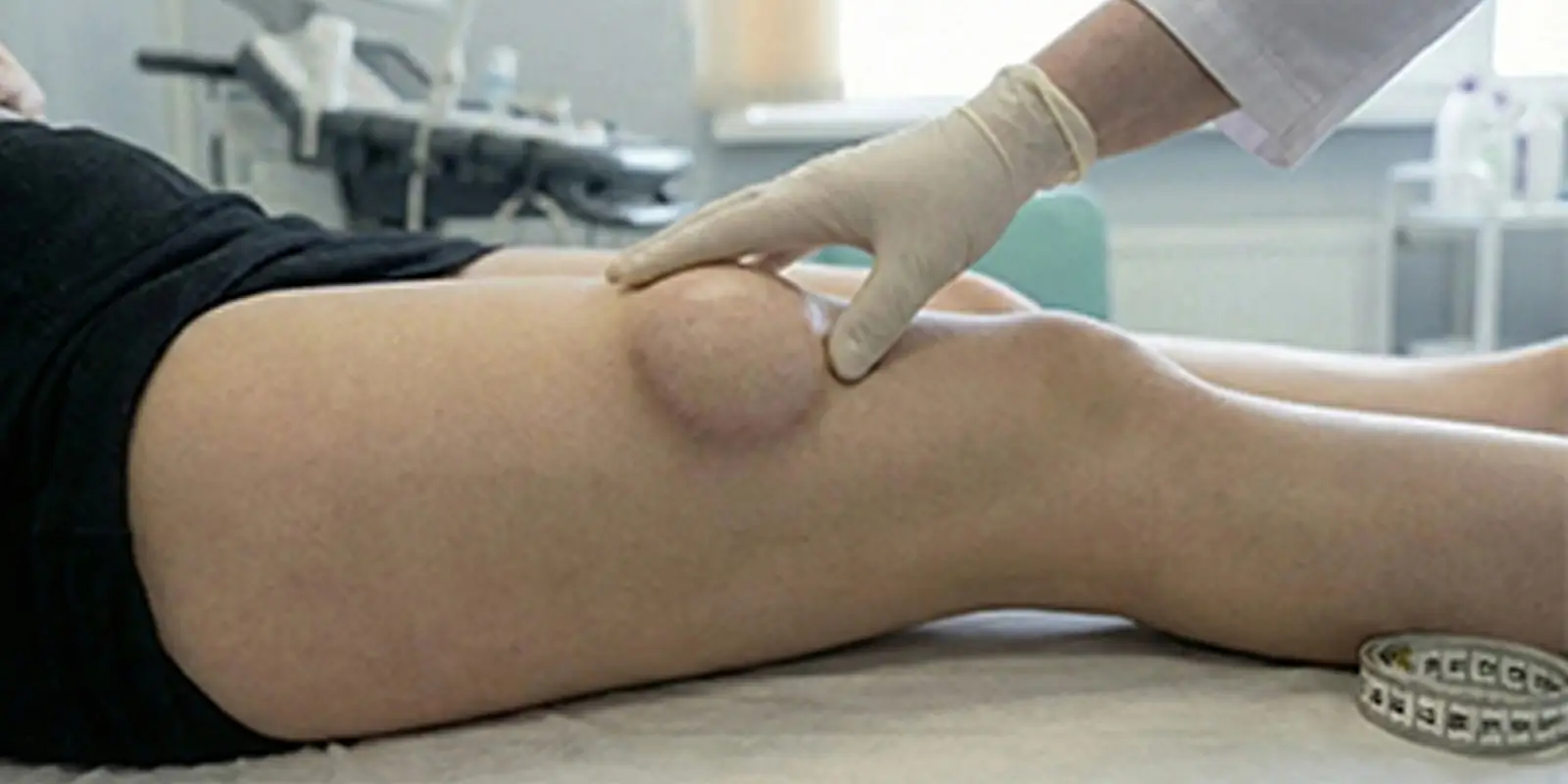
What Is Liposarcoma?
Liposarcoma is a malignant tumor that arises from fat tissue and belongs to the soft-tissue sarcoma group. In the medical literature it is defined as “cancer originating from fat tissue” and shows biologic behavior completely different from ordinary fatty lumps (lipomas). Liposarcoma cells appear when the genetic structure of normal fat cells is disrupted; they multiply in an uncontrolled way and can spread toward nearby muscle, vessels, nerves, and even bone.
These tumors mostly develop in deep soft tissues. That is, they grow not under the skin but among muscles, in the abdominal cavity, or in closed anatomic spaces such as the pelvis. Liposarcomas can therefore progress unnoticed for a long time. Intra-abdominal (retroperitoneal) liposarcomas in particular may cause only mild swelling or a feeling of fullness for a long time and are diagnosed when they reach a large size.
Why Is Liposarcoma Dangerous?
Several basic features make liposarcoma dangerous:
- Silent growth: It causes no pain for a long time
- Deep location: It is hard to notice from the outside
- Pressure on organs: It can compress the kidney, bowel, vessels, and nerves
- Tendency to recur: It can grow again even after surgery
- Risk of spread: Some types can metastasize to the lungs and bones
Because of these features, liposarcoma is not a simple mass but a systemic cancer that can affect the whole body.
What Kind of Tumor Is Liposarcoma?
Liposarcomas are not a single type. Some grow slowly while others are extremely aggressive. According to cellular structure they are classified as:
- Low grade (slow progressing)
- High grade (growing rapidly and spreading)
This classification directly affects the patient’s treatment plan and outlook.
Why Does Liposarcoma Form?
Liposarcoma is a malignant soft-tissue tumor that develops from fat tissue, and its formation is based on complex biologic changes that start at the cellular level. Today it cannot be said that liposarcoma appears because of a single cause; it is known, however, that some genetic, environmental, and biologic factors act together.
1. Genetic Cell Disorders
At the basis of liposarcoma are mutations in the DNA of fat cells. These mutations cause uncontrolled cell division, transformation of a normal fat cell into a cancer cell, and aggressive spread into nearby tissues. In some liposarcoma types in particular, abnormalities in genes such as MDM2 and CDK4 have been found. These genetic changes determine both the tumor’s growth rate and its recurrence risk.
2. Radiation Exposure
In people who previously received radiotherapy for another disease, the risk of developing liposarcoma years later can increase. Radiation damages the DNA of fat cells, disrupts cellular control mechanisms, and can lead to cancer in the long term. New soft-tissue masses in people who have had radiation treatment in the past should therefore be evaluated seriously.
3. Preexisting Soft-Tissue Masses
Some fat-tissue masses that have been in the body for a long time can rarely transform into liposarcoma over time. Fat masses that begin to grow rapidly, harden, and advance into deep tissues should be investigated for liposarcoma rather than a simple lipoma.
4. Trauma and Tissue Damage
Trauma alone is not a cause of liposarcoma; long-term tissue damage, chronic inflammation, and regional circulation problems, however, can disrupt the structure of cells in fat tissue and set the stage for cancer.
5. Age and Biologic Factors
Liposarcoma is most common in people over 40 and slightly more frequent in men. In this age group, cellular repair mechanisms weaken, so DNA damage accumulates more easily and the risk of cancer increases.
What Are the Types of Liposarcoma?
Liposarcoma is not a single type of tumor; it is divided into different subtypes according to cellular structure, growth rate, and spread potential. This classification directly determines both the course of disease and the treatment strategy.
1. Well-Differentiated Liposarcoma
This is the most common and slowest-progressing liposarcoma type. Because the cell structure closely resembles normal fat tissue, it can grow silently for a long time; it rarely metastasizes, but it can keep growing in the area where it sits and press on organs. It is especially common inside the abdomen and in the thigh. If it is not completely removed surgically, the recurrence risk is high.
2. Dedifferentiated Liposarcoma
This type appears when a well-differentiated liposarcoma transforms over time into a more aggressive form. It grows faster, is aggressive toward nearby tissues, and the risk of metastasis is increased. Treatment is more difficult and often requires radiotherapy or chemotherapy in addition to surgery.
3. Myxoid Liposarcoma
Myxoid liposarcoma is made of fat cells that develop in a gel-like tissue. This type is moderately aggressive, is usually seen in young adults, and can spread to the lungs, bone, and soft tissues. It is one of the liposarcoma types most sensitive to radiotherapy.
4. Round-Cell Liposarcoma
This is a more aggressive subtype of the myxoid type. It grows rapidly, has a high risk of metastasis, and requires more intensive chemotherapy. This type is among the liposarcomas with a poorer course.
5. Pleomorphic Liposarcoma
This is the rarest but most aggressive liposarcoma type. This tumor progresses rapidly, can spread to the lungs and bones in the early period, and carries a high risk of death. It usually requires advanced surgery and combined oncologic treatment.
Where Does Liposarcoma Occur?
Because liposarcoma is a soft-tissue cancer that arises from fat tissue, it can theoretically develop in any part of the body that contains fat. Clinically, however, some regions are much more at risk for this tumor.
1. Thigh and Hip
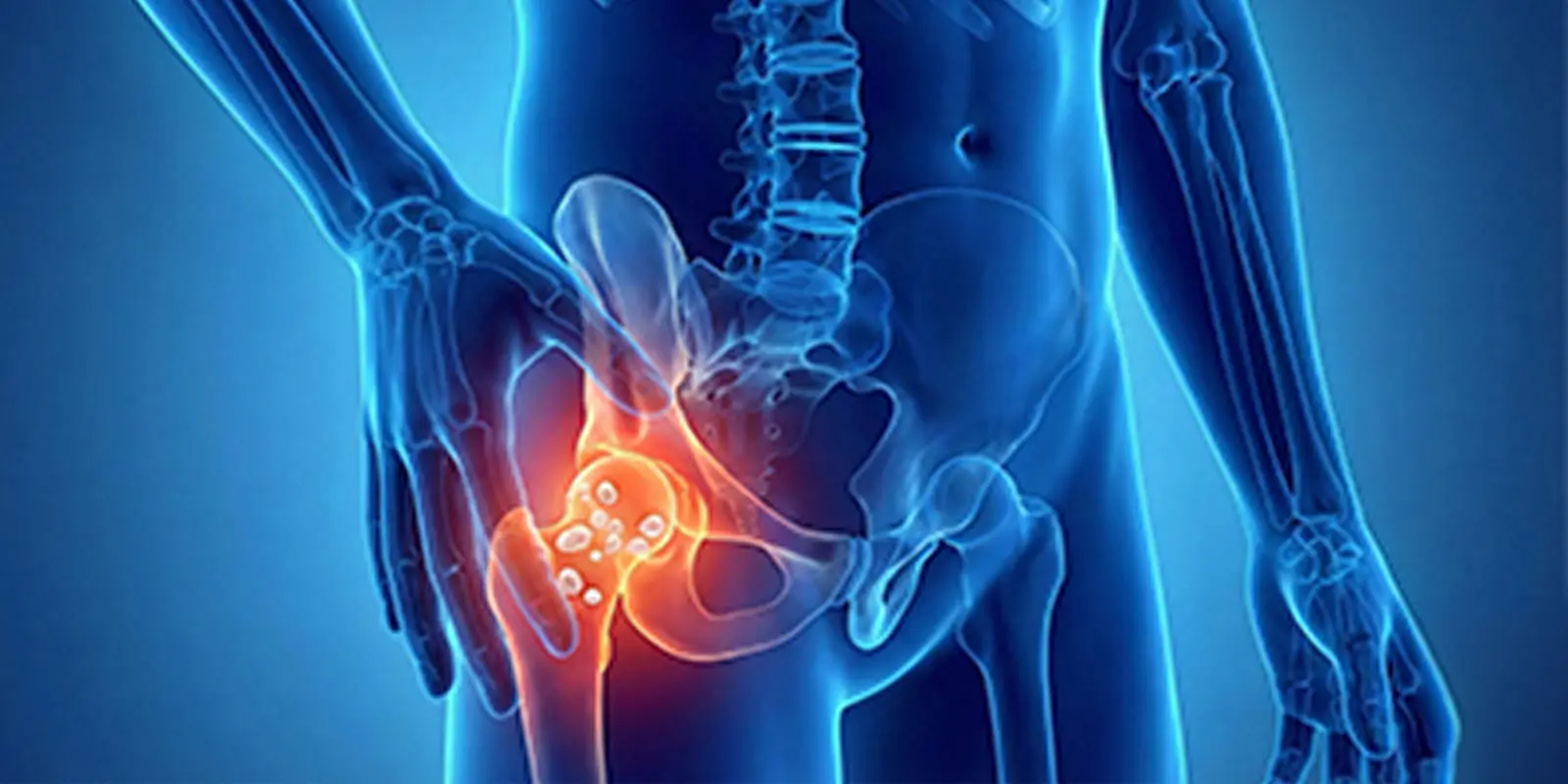
The most common site of liposarcoma is the thigh and hip. These regions contain deep fat tissue among the muscles; the tumor can grow unnoticed from the outside for a long time, and the patient usually feels only swelling or fullness in the leg. In later stages, pain, walking difficulty, and nerve compression can develop.
2. Inside the Abdomen (Retroperitoneal Space)
This is one of the most dangerous sites. Liposarcomas that develop in the back of the abdominal cavity can press on the kidneys, bowels, and large vessels and cause life-threatening problems. Tumors in this region may cause no symptoms until they reach a very large size.
3. Knee and Behind the Knee
Liposarcomas around the knee cause symptoms such as pain during movement, swelling, and difficulty bending the knee. They can sometimes be confused with a bone- or joint-origin problem.
4. Shoulder, Arm, and Armpit
Liposarcomas in these regions can restrict arm movement, cause numbness and weakness from nerve compression, and be confused with lymph nodes. Masses in the armpit in particular should be evaluated carefully.
5. Neck and Chest Wall
Although less common, liposarcoma can also be seen in the neck and chest wall. In these regions, findings such as breathing difficulty, swallowing difficulty, and a firm swelling in the neck can appear.
What Are the Symptoms of Liposarcoma?
Because liposarcoma usually develops in deep soft tissues, it can grow for a long time without symptoms. As it progresses, however, the signs that appear point to a much more serious picture than a simple fatty lump.
1. A Gradually Growing Firm Mass
The most typical symptom of liposarcoma is a swelling that grows over time, hardens, and seems attached to nearby tissues. Unlike lipomas, a liposarcoma is usually not mobile and sits in deep tissues.
2. Pain and Tenderness
It may be painless at first. As the tumor grows it presses on nerves, stretches muscle tissue, and compresses vessels. This leads to deep, dull, constant pain. Night pain and pain that increases at rest are especially warning signs for liposarcoma.
3. Limited Motion
Liposarcomas around the thigh, knee, or shoulder can cause difficulty walking, difficulty raising the arm, and reduced joint motion. This is the result of the tumor compressing muscles and tendons.
4. Numbness and Weakness
When the tumor presses on nerves, numbness, tingling, and loss of muscle strength can occur. This is especially common in liposarcomas in the armpit, thigh, and behind the knee.
5. Special Symptoms in Intra-Abdominal Locations
In liposarcomas that develop inside the abdomen, symptoms such as abdominal swelling, a feeling of early satiety, constipation, weight loss, and difficulty urinating can appear. These findings result from the tumor pressing on internal organs.
6. General Cancer Symptoms
In advanced liposarcoma, systemic symptoms such as fatigue, loss of appetite, unexplained weight loss, and night sweats can also appear.
Difference Between Liposarcoma and Lipoma (Fatty Lump)
Although liposarcoma and lipoma both arise from fat tissue, they are completely different in biologic behavior, treatment, and the risks they create.
1. Benign Versus Malignant
A lipoma is a benign fat-tissue mass. It does not spread through the body and does not pose a risk to life. Liposarcoma is a malignant tumor. It can spread into nearby tissues, recur, and some types can metastasize to distant organs.
2. Growth Pattern
A lipoma grows slowly and usually does not change for years. Liposarcoma grows at an accelerating rate over time, compresses nearby tissues, and can press on organs. Every rapidly growing fat mass should be considered suspicious for liposarcoma.
3. Depth of Location
A lipoma is usually under the skin and is easily felt with the hand. Liposarcoma sits among the muscles, inside the abdomen, and in deep soft tissues. It is therefore noticed later from the outside.
4. Firmness and Mobility
A lipoma is soft and moves when pressed with a finger. Liposarcoma is firm, seems attached to nearby tissues, and does not move easily. This difference is an important clue on physical examination.
5. Pain and Symptoms
A lipoma is usually painless. As liposarcoma grows, symptoms such as pain, numbness, weakness, and limited motion appear.
6. Imaging and Diagnosis
A lipoma is easily recognized with MRI and ultrasound. In liposarcoma, MRI, CT, and biopsy are required. Definitive diagnosis is always made by pathologic examination.
How Is Liposarcoma Diagnosed?
Because liposarcoma can start like an ordinary fatty lump, the diagnostic process must be carried out very carefully. An incorrect or late diagnosis can allow the tumor to grow, spread into nearby tissues, and reduce the chance of successful treatment.
1. Clinical Evaluation and Physical Examination
Diagnosis begins with a detailed listening to the patient’s complaints. The doctor specifically asks how long the mass has been present, how quickly it grew, whether it causes pain, and its relationship to movement. On physical examination, firm, deep, immobile masses are considered suspicious for liposarcoma.
2. Magnetic Resonance Imaging (MRI)
MRI is the most important imaging method for diagnosing liposarcoma. The tumor’s size, depth, relationship to muscle, vessels, and nerves, and abnormal areas inside the fat tissue are assessed in detail. The difference between a lipoma and a liposarcoma can also largely be understood with MRI.
3. Computed Tomography (CT)
CT is used especially for intra-abdominal liposarcomas, locations near bone, and when looking for lung metastasis. It clearly shows the tumor’s internal structure and spread.
4. Biopsy (Definitive Diagnosis)
The most critical step in diagnosing liposarcoma is biopsy. Biopsy determines whether the tumor is truly cancer, the liposarcoma subtype, and how aggressive it is. It is very important that it is done in a controlled way under imaging guidance; a biopsy taken from the wrong site can make diagnosis more difficult.
5. Staging (Looking for Spread)
After the diagnosis is confirmed, chest CT, a bone scan if needed, and imaging of the abdomen and pelvis are used to look for spread to other organs. This stage determines the treatment plan.
Liposarcoma Treatment
Liposarcoma treatment is planned individually according to tumor type, size, location, and spread. Treatment should be led by an experienced orthopedic oncology team.
1. Surgery (The Main Treatment)
The foundation of liposarcoma treatment is wide surgical resection. The aim is to remove the tumor completely together with surrounding healthy tissues. During surgery the entire tumor is removed together with its capsule, nerve, vessel, and muscle tissue are preserved as much as possible, and reconstructive surgery is used if needed. Surgical technique is extremely important especially in thigh, hip, intra-abdominal, and retroperitoneal liposarcomas.
2. Radiotherapy (Radiation Therapy)
Radiotherapy is often used as support for surgery in liposarcoma. It is given to shrink the tumor before surgery, to destroy microscopic remaining cells after surgery, and to reduce the risk of recurrence. In high-grade (aggressive) liposarcoma types in particular, radiotherapy clearly increases treatment success.
3. Chemotherapy
Chemotherapy does not have the same effect in every liposarcoma type. In aggressive subtypes such as dedifferentiated, round-cell, and pleomorphic, however, especially if there is spread, chemotherapy is an important option. The aim is to shrink tumor cells and suppress hidden metastases in the body.
4. Targeted and Smart Therapies
In recent years, molecular targeted drugs have begun to be used in liposarcoma treatment. These drugs block the growth signals of tumor cells and act more selectively than classic chemotherapy. They have become an important option especially in recurrent or metastatic liposarcoma.
5. Follow-up and Recurrence Control
Regular follow-up after liposarcoma treatment is vital. These tumors can come back even years later. During follow-up, MRI and CT checks, lung scans, and clinical examinations are done at set intervals. Recurrences caught early can be controlled with further surgery or additional treatments.
Follow-up and Life After Liposarcoma
Life after liposarcoma does not end when treatment is finished; on the contrary, regular follow-up and a conscious lifestyle are the most important parts of this process. Liposarcoma is a soft-tissue cancer that in some patients can recur or spread to other organs even years later.
1. Why Are Regular Checks Vital?
The risk of recurrence in liposarcoma varies with tumor type and location. This risk is higher especially in retroperitoneal liposarcoma and high-grade subtypes. Patients are therefore followed at set intervals with MRI or CT, chest CT, and physical examination.
2. What Does the Follow-up Program Look Like?
In general, follow-up after liposarcoma is planned as follows:
- First 2 years: imaging every 3–6 months
- Years 3–5: every 6 months
- After year 5: once a year
This program is adapted individually according to the stage and type of liposarcoma.
3. What Should Be Watched in Daily Life?
Quality of life after liposarcoma treatment can largely be preserved. New swelling, firmness, or pain in the surgical area, however, should not be ignored. Sudden weight loss, fatigue, or shortness of breath must be evaluated. Activities that place excessive load should be avoided, and controlled exercise should be preferred.
4. Psychological and Social Support
Many patients who receive a cancer diagnosis continue to feel anxiety after treatment as well. After liposarcoma, psychological support, patient support groups, and rehabilitation programs speed both mental and physical recovery.
Overall Assessment
Liposarcoma is a serious disease that develops from fat tissue and is often confused with a lipoma (fatty lump), but is in fact a malignant soft-tissue tumor. Findings such as a growing fatty lump, a firm mass, and swelling in deep tissue in particular can be early signs of liposarcoma. Every mass noticed in the body should therefore be evaluated for liposarcoma before it is seen as a simple fatty lump.
Liposarcoma has different subtypes, and each progresses at a different speed. Well-differentiated liposarcomas may follow a slow course, while dedifferentiated and pleomorphic liposarcomas behave more aggressively. Correct liposarcoma diagnosis with MRI, CT, and biopsy is therefore the foundation of treatment success. Liposarcoma treatment is based on wide surgical removal and is supported when needed by radiotherapy and chemotherapy. After treatment, liposarcoma follow-up is vital.
For this reason, liposarcoma is a cancer type in which successful results can be obtained when it is noticed early and managed correctly. Taking suspicious fat-tissue masses in the body seriously and obtaining specialist evaluation in time is the most important factor that determines the course of the disease.
Frequently Asked Questions
Frequently Asked Questions
Liposarcoma is a malignant soft-tissue tumor that arises from fat tissue. It is not a simple fatty lump and has the features of cancer.
A lipoma is benign and harmless. Liposarcoma can grow, spread into nearby tissues, and become dangerous if untreated.
Liposarcoma is usually seen in the thigh, hip, around the knee, shoulder, and inside the abdomen (the retroperitoneal space).
A painless growing mass, firmness, swelling, limited motion, and pain or numbness from nerve compression are the most common liposarcoma symptoms.
Liposarcoma is diagnosed with MRI, computed tomography, and biopsy. Biopsy confirms whether the tumor is a liposarcoma.
Yes. The main treatment of liposarcoma is complete surgical removal of the tumor. Radiotherapy and chemotherapy are used when needed.
Yes. Some liposarcoma types can recur years later. Follow-up with regular imaging is therefore essential.
With early diagnosis and correct treatment, liposarcoma can be controlled. Cases diagnosed at a late stage are more risky.
No. Most fatty lumps are lipomas. Growing, firm, or deep fat masses, however, should be evaluated for liposarcoma.
There is no definite way to prevent it. Evaluating every mass noticed in the body early, however, allows liposarcoma to be caught early.
 WhatsApp
  Facebook
  Twitter
  Linkedin



 +90 505 398 34 34
 doctoryavuzarikan@gmail.com
 Book Appointment / Contact