

Knee Osteoarthritis Treatment: Symptoms, Diagnosis, and Care


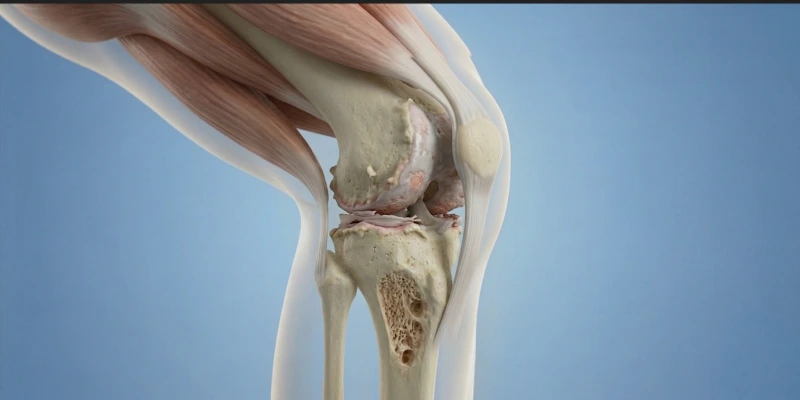
Knee osteoarthritis is called gonarthrosis in medicine. It is a chronic joint disease caused by gradual wear of the cartilage in the knee. Cartilage prevents the joint surfaces from rubbing; when it thins or is lost, pain, stiffness, and limited motion develop. As the disease advances, deformity, joint instability, and gait disturbance may appear. According to Prof. Dr. Yavuz Arıkan’s clinical assessment in orthopedic oncology and bone disease, knee osteoarthritis is too common to be linked only to aging, and early diagnosis with appropriate treatment can control progression.
Many people think of osteoarthritis as “normal aging,” but it can be controlled if recognized early and treated correctly. Early diagnosis is critical for quality of life. The knee is one of the body’s largest weight-bearing joints, so osteoarthritis directly affects function and can markedly limit daily activities.
What Is Knee Osteoarthritis?
Knee osteoarthritis is a chronic disease in which joint cartilage thins over time and the joint surfaces rub against each other. As cartilage wears, inflammation and pain develop inside the joint. As loss progresses, bone surfaces rub, causing pain, stiffness, and limited motion. Bone spurs (osteophytes), joint deformity, and increased joint fluid may appear.
Knee osteoarthritis is more than a “cartilage disease.” Weakening of the surrounding muscles, loss of joint stability, and changes in walking mechanics turn it into a disease of the joint and movement system. Treatment should not be limited to painkillers; lifestyle, weight, muscle strength, and stability should be addressed together.
What Causes Knee Osteoarthritis?
Knee osteoarthritis does not have a single cause. The most common factors include aging, genetic predisposition, and overload on the joint. Excess weight increases load on the knee and speeds cartilage wear. Previous trauma, meniscus tears, or ligament injuries can also accelerate osteoarthritis. Repeated loading in athletes or people in heavy jobs is an important risk factor for earlier onset.
Knee osteoarthritis is not only mechanical. Some rheumatic diseases, metabolic disorders, hormonal changes, and inflammation can damage cartilage. Inflammatory processes inside the joint or systemic inflammatory disease can impair cartilage repair. Genetic predisposition also affects cartilage durability and joint stability. Knee osteoarthritis is not only “a disease of people in their forties”; it can appear earlier in people with previous knee injury, weight problems, or excessive joint strain.
Joint Imbalance and Osteoarthritis
Another important factor is joint imbalance. Meniscus damage, ligament injury, or malalignment (varus/valgus deformity) can distribute load unevenly and speed cartilage wear. A past knee injury can therefore set the stage for osteoarthritis years later. Even a small disturbance in load distribution can cause serious cartilage damage over time.
Risk Factors (Briefly)
- Older age
- Excess weight
- Knee trauma
- Meniscus tears
- Ligament injuries
- Sports and heavy work
- Genetic predisposition
- Rheumatic diseases
- Hormonal changes
- Joint imbalance (varus/valgus deformity)
What Are the Symptoms of Knee Osteoarthritis?
Symptoms usually develop slowly. At first, pain is felt only after a long walk or when climbing stairs. Over time it becomes more constant and does not fully resolve with rest. Morning stiffness, stiffness after sitting, a “clicking” sensation, or crepitus during movement are also common.
Patients often feel they cannot fully straighten or fully bend the knee. Later, swelling around the joint, locking, or limping may appear. These symptoms limit daily activities and reduce quality of life.
Pain and Limited Motion
Pain usually increases with loading. Climbing stairs, squatting, or standing for a long time makes symptoms more noticeable. Some patients feel stiffness in the morning or after sitting; this often eases within a few minutes and reflects roughening of the cartilage surface and inflammation inside the joint.
In later stages, pain may also occur at rest. The patient may wake at night or be unable to continue daily activities because of constant pain.
Physical Findings of Knee Osteoarthritis
- Swelling of the knee
- Increased warmth
- Reduced range of motion
- Weakening of muscles around the joint
- Joint deformity
- Limping
- Locking of the knee
Psychological and Social Effects
Chronic pain and limited motion can change lifestyle and lead to depression, sleep problems, and social isolation. Knee osteoarthritis should therefore be treated as a health problem that affects quality of life, not only as a joint disease.
How Is Knee Osteoarthritis Diagnosed?
The most important first step is a detailed history and physical examination. Range of motion, tender points, and joint stability are assessed. Imaging is used to confirm osteoarthritis; X-ray is most common. X-rays may show joint-space narrowing, osteophytes, and surface changes. When needed, MRI can examine cartilage, meniscus, and ligaments in more detail.
Daily activities, work conditions, and sports history also matter. Jobs that require prolonged squatting or sports that repeatedly load the knee can increase risk. Dr. Yavuz Arıkan notes that this information helps build the treatment plan and predict progression.
Tests Used for Diagnosis
- X-ray
- MRI (magnetic resonance imaging)
- Ultrasound
- Blood tests (if rheumatic disease is suspected)
- Joint fluid analysis (if inflammation or infection is suspected)
Staging and Treatment Plan
After diagnosis, the stage is determined and treatment is planned accordingly. Methods used in early disease differ from surgery in advanced disease. Early-stage patients often respond well to conservative care; in advanced disease, deformity and severe pain may make surgery necessary.
Treatment of Knee Osteoarthritis
The main aims are to reduce pain, preserve function, and improve quality of life. The plan is individualized and usually combines several approaches.
1. Lifestyle Changes and Weight Control
One of the most effective first steps is weight control and regular exercise. Reducing load on the knee slows cartilage wear. In overweight patients, each extra kilogram increases load and raises osteoarthritis risk. Weight loss is therefore a cornerstone of treatment.
Simple daily changes also make a difference:
- Using an elevator instead of stairs
- Regular breaks in jobs that require prolonged standing
- Choosing shoes that reduce load on the knee
- An appropriate exercise program and regular walking
2. Exercise and Physical Therapy
Strengthening the muscles around the knee improves stability and reduces pain. Low-impact activities such as swimming, cycling, and water exercise are recommended. Physical therapy is an essential part of treatment. Regular, correctly chosen exercises increase muscle strength and preserve range of motion. Adherence and regular follow-up are important.
Which Exercises Are Recommended in Physical Therapy?
- Quadriceps (front thigh) strengthening
- Hamstring (back thigh) stretching
- Hip muscle strengthening
- Balance and proprioceptive exercises
- Light aerobic exercise
3. Medication
Medication is used to control pain. The aim is the lowest effective dose for the shortest time. NSAIDs (nonsteroidal anti-inflammatory drugs) and painkillers can be used safely with appropriate patient selection. Topical (cream/gel) treatments may also help some patients.
Long-term use carries stomach and kidney risks, so medicines should be used under medical supervision and at an appropriate dose.
4. Intra-articular Injections
In some patients, injections such as hyaluronic acid or PRP can be added. These can increase lubrication, reduce pain, and improve function. Injections are not suitable for every patient, so selection and indication are important.
Hyaluronic Acid Injection
Hyaluronic acid increases natural lubrication inside the joint. In osteoarthritis, joint fluid decreases or its quality changes. Hyaluronic acid injection can increase lubrication, reduce pain, and make movement easier.
PRP (Platelet-Rich Plasma) Injection
PRP is a fluid obtained from the patient’s own blood and rich in growth factors. It is thought to support cartilage repair. Effectiveness is not the same in every patient, so correct selection and application are important.
5. Surgical Options
In advanced osteoarthritis, when conservative care is not enough, surgery is considered. Options include arthroscopic debridement, osteotomy (bone realignment), and knee replacement.
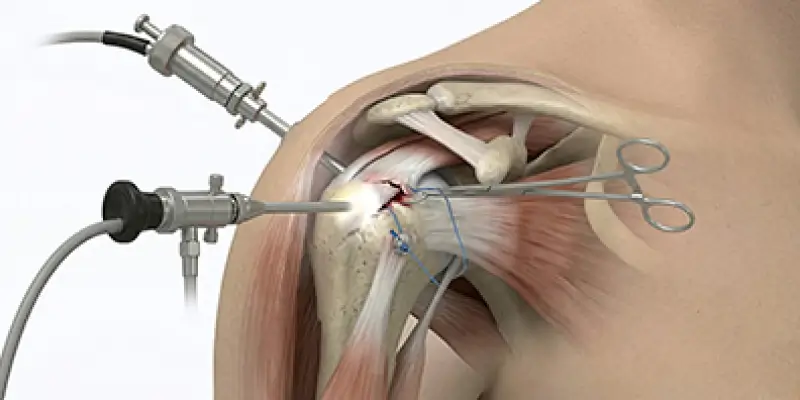
Arthroscopic Debridement
Arthroscopy uses a small camera inside the knee to remove loose fragments and smooth rough cartilage. It is not effective in every osteoarthritis patient and offers limited benefit in advanced disease.
Osteotomy (Bone Realignment)
Osteotomy involves cutting and realigning bone to change load distribution. It may be preferred in younger, active patients with osteoarthritis on one side of the knee. The aim is to shift load onto the healthier part of the joint and slow cartilage wear.
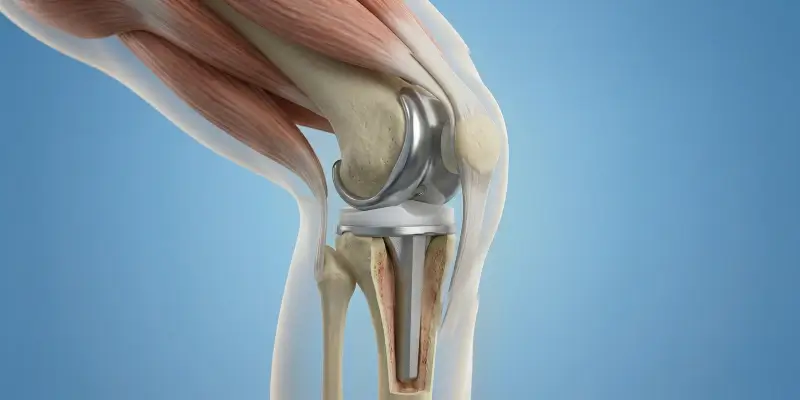
Knee Replacement
Knee replacement substantially reduces pain and improves function in advanced osteoarthritis. Age, lifestyle, disease stage, and general health are considered. It can markedly improve quality of life.
Recovery After Treatment
Recovery depends on the method used. Patients managed with medication and physical therapy often notice clear improvement within a few weeks. After surgery such as knee replacement, recovery takes longer, but most patients can return to daily activities in 6–12 weeks.
Physical Therapy and Home Exercises
During recovery, physical therapy and home exercises are critical for long-term success. Keeping follow-up appointments and continuing the recommended program improves lasting results.
Points After Surgery
After surgery, pain control, prevention of infection and thrombosis, and early mobilization are important. Starting physical therapy early preserves range of motion and reduces muscle weakness. After knee replacement, most patients begin walking with a cane or walker within a few weeks; these supports are later discontinued as normal walking returns.
What Happens If It Is Not Treated?
Untreated knee osteoarthritis usually progresses. Pain and stiffness increase, gait disturbance and limping develop. Joint deformity may appear and muscle strength declines. Daily activities become limited and quality of life falls. Prolonged inactivity increases muscle loss and stiffness and worsens the course.
Untreated osteoarthritis can also affect other joints. Because of knee pain, a person may move less, which can lead to hip and low-back pain. Weight gain and inactivity can increase metabolic problems and cardiovascular risk. Knee osteoarthritis is therefore not limited to the joint; it can affect general health.
Can Knee Osteoarthritis Be Prevented?
It cannot always be fully prevented, but reducing risk factors and intervening early can slow onset or progression. Main measures include:
- Weight control
- Regular exercise
- Nutrition that supports joint health
- Avoiding knee trauma
- Avoiding sports and jobs that overload the knee
- Early evaluation when knee pain starts
- Appropriate shoes and walking technique
Conclusion
Knee osteoarthritis is a chronic joint disease that can reduce quality of life. With early diagnosis and appropriate treatment, pain can be controlled, function preserved, and progression slowed. Weight control, regular exercise, and muscle strengthening reduce load on the knee and improve the course of the disease. When symptoms appear, evaluation by a specialist and an individualized plan are the best approach.
Frequently Asked Questions

Specialist Opinion
Knee osteoarthritis is a chronic joint disease that can reduce quality of life. With early diagnosis and appropriate treatment, pain can be controlled, function preserved, and progression slowed. Weight control, regular exercise, and muscle strengthening reduce load on the knee and improve the course of the disease. When symptoms appear, evaluation by a specialist and an individualized plan are the best approach.
Contact us to have your symptoms assessed and to learn about treatment options that may be right for you. Get in touch .
Frequently Asked Questions
No. It is more common in older adults, but it can also occur in younger people after knee trauma, excess weight, or repeated joint overload.
Because osteoarthritis is chronic, the goal is control rather than complete cure. Early diagnosis and appropriate treatment can slow progression.
Pain often increases when climbing stairs, during long walks, or when standing after sitting for a long time. In later stages it may continue at rest.
The wrong exercises can be harmful, but well-chosen, regular exercise protects the joint, strengthens muscles, and reduces pain. Swimming, cycling, and water-based activity are often recommended.
Knee replacement may be considered if pain continues despite conservative care, function is seriously reduced, and quality of life has declined. The decision considers age, general health, and disease stage.
It cannot always be fully prevented, but weight control, regular exercise, avoiding knee trauma, and joint-friendly lifestyle changes can reduce risk and slow progression.
 WhatsApp
  Facebook
  Twitter
  Linkedin



 +90 505 398 34 34
 doctoryavuzarikan@gmail.com
 Book Appointment / Contact