

What Is Fibrous Dysplasia? Types, Symptoms, and Treatment


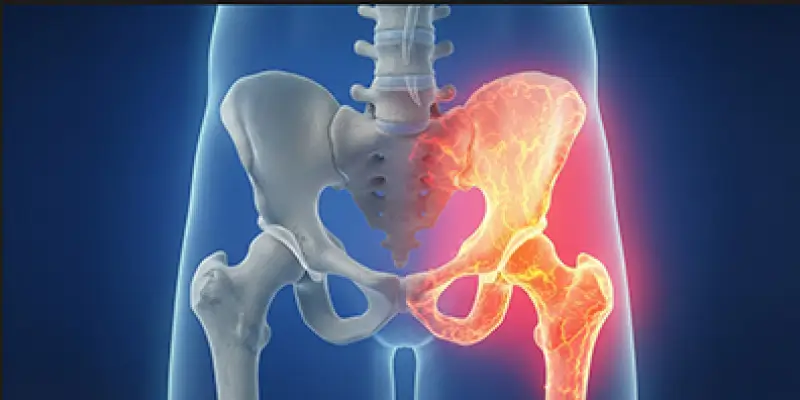
What Is Fibrous Dysplasia?
Fibrous dysplasia is a bone disease that appears when normal bone tissue is replaced by weak, fibrous tissue. It is benign but structurally weakens the bone. This situation causes the hard, durable structure of the bones to be disrupted and over time can lead to deformities in the bones, pain, and an increase in fracture risk. Fibrous dysplasia is related to a congenital genetic mutation but is not hereditary; that is, it is not passed from mother or father to child.
The disease can affect a single bone (monostotic type) or involve more than one bone (polyostotic type). The skull, facial bones, ribs, pelvis, thigh, and shinbones are affected most often. It follows a more active course in childhood and adolescence; in adulthood it most often slows or becomes stable.
While fibrous dysplasia can progress without causing symptoms in many patients, bone pain, swelling, bone curvatures, and recurrent fractures may be seen in some people. Especially in cases involving the facial and skull bones, aesthetic problems and vision or hearing problems can appear. For this reason, early recognition of the disease and regular follow-up are of great importance.
Types of Fibrous Dysplasia
Fibrous dysplasia is a bone disease that appears with abnormal conversion of bone tissue into fibrous tissue. The course of the disease changes according to the number of bones it involves and its spread in the body. As also emphasized by Orthopedics and Traumatology Specialist Prof. Dr. Yavuz Arıkan, identifying the correct type is of critical importance in treatment planning. Fibrous dysplasia is seen in three main forms:
1. Monostotic Fibrous Dysplasia
Monostotic fibrous dysplasia is the most common and mildest form of the disease. In this type, only a single bone is affected. It constitutes about 70–80% of cases.
The bones involved most often:
- Thigh bone (femur)
- Shinbone (tibia)
- Ribs
- Jaw and facial bones
In this form, patients often do not experience symptoms for a long time. As the bone grows, however, it weakens, and over time:
- Regional pain
- Swelling
- Pathologic fractures
may be seen.
In fibrous dysplasia evaluations, Prof. Dr. Yavuz Arıkan especially emphasizes that in single-bone involvement, regular imaging and close follow-up of fracture risk are needed.
2. Polyostotic Fibrous Dysplasia
Polyostotic fibrous dysplasia is a more serious form in which more than one bone is involved. In this type the disease can affect:
- The arms
- The legs
- The pelvis
- The spine
at the same time.
Problems that may be seen in this form:
- Obvious bone curvatures
- Walking disturbance
- Short stature
- Frequent bone fractures
- Chronic bone pain
Bone deformities can progress over time and seriously lower the patient’s quality of life. Prof. Dr. Yavuz Arıkan notes that in these patients, both orthopedic follow-up and radiologic check-ups being done regularly is vital.
3. Fibrous Dysplasia Associated with McCune-Albright Syndrome
This is the most severe and rare form of fibrous dysplasia. Hormonal disorders are also seen together with polyostotic involvement.
In this syndrome:
- Early puberty
- Thyroid diseases
- Growth disorders
- Brown spots on the skin
may accompany.
Bone deformities progress much faster in this form, and the need for surgery appears more often. In his clinical experience in bone tumors and fibrous dysplasia, Prof. Dr. Yavuz Arıkan especially emphasizes that these patients should be followed in a multidisciplinary way.
Which Bones Does Fibrous Dysplasia Affect?
Fibrous dysplasia is a disease that can affect many different bones in the body. Some bones, however, are more sensitive to this disease. Where the disease settles directly determines both the severity of symptoms and the treatment method that will be applied. According to Prof. Dr. Yavuz Arıkan’s clinical observations in bone tumors and fibrous dysplasia, involvement of bones that are load-bearing and of structural importance in particular creates more problems.
1. Thigh Bone (Femur)
It is one of the bones where fibrous dysplasia is seen most often. Because the thigh bone is the bone that carries the most load in the body, lesions that form here can lead to serious problems.
Fibrous dysplasia in this region can present with:
- Hip and leg pain
- Difficulty walking
- Bending and deformity in the bone
- Pathologic fractures
Femur involvement, because it can cause permanent walking problems especially in young patients, is evaluated by Prof. Dr. Yavuz Arıkan among high-risk involvements that may require surgery.
2. Shinbone (Tibia)
The tibia bone in the lower leg is also among the frequently affected regions. Lesions here can present as:
- Curvature in the leg
- Pain when bearing weight
- Easy fatigue
- Recurrent cracks and fractures
Especially in childhood, tibia involvement can cause inequality in leg lengths and permanent deformities.
3. Skull and Facial Bones
This is one of the most striking and aesthetically most problematic regions of fibrous dysplasia. If these bones are involved:
- Asymmetry in the face
- Disruption of jaw structure
- Narrowing of the eye socket
- Vision and hearing loss
may be seen.
Prof. Dr. Yavuz Arıkan emphasizes that fibrous dysplasia cases involving the skull and facial bones should be followed closely not only for bone but also for neurologic and visual functions.
4. Pelvis
Pelvis involvement, especially in adult patients, can cause signs such as:
- Hip pain
- Postural problems
- Imbalance during walking
Fibrous dysplasia in the pelvic region can affect the spine and hip joint and limit mobility.
5. Ribs and Spine
When the ribs are involved:
- Chest pain
- Swelling
- Discomfort during breathing
may be seen.
Spinal involvement can lead to more serious results:
- Low back and back pain
- Postural problems
- Numbness and loss of strength related to nerve compression
Lesions in these regions should always be followed with advanced imaging methods.
Symptoms of Fibrous Dysplasia
Fibrous dysplasia can appear with very different symptoms according to the extent of the disease and the location of the bones it involves. While no complaint is seen for a long time in some patients, serious loss of function can develop in some people together with weakening of bone structure. In the orthopedic oncology approach applied by Prof. Dr. Yavuz Arıkan, noticing symptoms in the early period is of great importance for stopping progression of the disease.
1. Bone Pain
This is the most common symptom. Pain:
- May be continuous or intermittent
- May increase with movement and as load is applied
- May appear as night pain
The reason for the pain is disruption of the normal structure of the bone because of fibrous dysplasia and a decrease in load-bearing capacity. Pain is more obvious especially in thigh, pelvis, and spine involvement.
2. Deformity in the Bones
The weakened bone over time begins to bend under its own weight. This can present as:
- Curvature in the legs
- Asymmetry in the facial bones
- Disruption in the jaw
- Curvature in the spine (scoliosis)
In advanced cases, these deformities can lead to both aesthetic and functional losses.
3. Easy Fractures and Cracks
Bones with fibrous dysplasia are much more fragile than normal.
For this reason, fractures can form even as a result of:
- Simple falls
- Daily activities
- Mild blows
These fractures are called “pathologic fractures” and are an important indicator of the disease.
4. Swelling and a Feeling of a Mass
In the involved bone region:
- Swelling that can be noticed from the outside
- Hardness
- Asymmetry
can form. This is more obvious especially in the face, jaw, and rib bones.
5. Walking and Movement Disturbances
In patients with lower-extremity involvement:
- Limping
- Pain during walking
- Easy fatigue
- A difference in leg length
may be seen. Over time this situation can seriously limit daily life.
6. Neurologic and Sensory Problems
If there is skull and spine involvement:
- Decreased vision
- Hearing loss
- Numbness in the face
- Weakness in the arms or legs
can appear. These signs show that nerves are under pressure and require urgent evaluation.
Fibrous Dysplasia Treatment Methods
Treatment of fibrous dysplasia is planned according to the extent of the disease, which bones are affected, the patient’s age, and the severity of the symptoms that appear. Although this disease cannot be eliminated completely, with the right treatment and follow-up, pain can be brought under control, bone deformities can be prevented, and fracture risk can be reduced substantially. According to Prof. Dr. Yavuz Arıkan’s clinical approach in orthopedic oncology, the main aim of treatment is to increase the strength of the bone and protect the patient’s quality of life.
1. Follow-up and Observation (Active Surveillance)
In fibrous dysplasia cases that do not cause symptoms or follow a mild course, the first preference is usually regular follow-up.
During this process:
- Periodic X-ray, MRI, or tomography
- Bone density measurements
- Clinical examinations
are performed to monitor whether the disease is progressing.
In mild cases, follow-up may be sufficient for many years without any need for active treatment.
2. Medication
In fibrous dysplasia, medication is used with the aim of strengthening the bone and reducing pain.
Bisphosphonates: These drugs suppress the activity of the cells that break down bone (osteoclasts). In this way:
- Bone pain decreases
- Bone loss slows
- Fracture risk falls
They are especially effective in patients with widespread involvement and pain.
Painkillers and supportive treatments: Used in the control of mild and moderate pain.
3. Surgical Treatment
Surgery is one of the most important options in fibrous dysplasia treatment and is preferred especially in the following situations:
- If there is bone curvature
- If a pathologic fracture has formed
- If there is nerve or organ compression
- If severe pain and loss of function have developed
Surgical methods applied:
- Cleaning of the weakened bone
- Filling the cavity with bone graft
- Strengthening the bone with metal plates, screws, or nails
- Correction of the deformed bone (osteotomy)
Prof. Dr. Yavuz Arıkan emphasizes that early surgical strengthening especially in load-bearing bones (thigh, tibia, pelvis) is very effective in preventing progressive deformities and fractures.
4. Treatment of Fractures
Fractures related to fibrous dysplasia can heal more difficultly than normal fractures. For this reason:
- Surgical fixation
- Metal support systems
- Long-term protection
may be needed.
The aim is to prevent the bone from fracturing again and to restore the patient’s mobility.
5. Long-Term Follow-up
Because fibrous dysplasia is a chronic disease, treatment is not one-time. Patients should be followed for many years with:
- Regular imaging
- Clinical check-ups
- New interventions if needed
With early diagnosis, correct surgical timing, and appropriate medication support, people with fibrous dysplasia can live a healthy, active life.
Conclusion
Although fibrous dysplasia is classified as a benign bone disease, it is a complex picture that, by disrupting the structure of bone tissue, can lead to serious orthopedic problems in the long term. Replacement of normal bone tissue by weak, fragile fibrous tissue reduces the bone’s load-bearing capacity and over time causes a clear increase in pain, deformity, and fracture risk. For this reason, fibrous dysplasia should be evaluated not only as a radiologic finding but as a clinical disease that needs to be addressed in a holistic way.
Whether the disease involves a single bone or more than one bone, whether it is located in critical regions such as the skull or spine, and the patient’s age directly affect the treatment approach. Especially in cases that appear in childhood and adolescence, because bone development continues, the risk of deformities progressing is higher. For this reason, the course of the disease should be followed closely with regular imaging, clinical examination, and functional evaluation.
Although there is no treatment today that completely eliminates fibrous dysplasia, thanks to modern orthopedic and medical approaches the disease can largely be brought under control. While pain and bone breakdown can be reduced with drugs such as bisphosphonates, weakened bones can be strengthened with surgical methods, curvatures can be corrected, and fractures can be prevented. Thanks to these individualized treatment plans, both the patient’s mobility is preserved and quality of life is increased.
In conclusion, fibrous dysplasia is a disease that can be managed with early diagnosis, correct treatment strategies, and regular follow-up. Informed follow-up of patients, taking symptoms seriously, and intervening at the appropriate time play a key role in preventing permanent damage in the long term. Thanks to this holistic approach, people with fibrous dysplasia can live an active, productive, and healthy life.
Frequently Asked Questions
Frequently Asked Questions
Fibrous dysplasia is a bone disease that forms when normal bone tissue is replaced by weak, fibrous tissue. It is benign but makes the bone fragile.
Except in very rare situations, fibrous dysplasia does not turn into cancer. Rapid growth, a sudden increase in pain, or newly appearing swelling, however, should always be reported to a doctor.
No. It appears as a result of a genetic mutation, but it is not passed from mother or father to child.
It usually appears in childhood or adolescence. In most cases, progression of the disease slows in adulthood.
Yes. Especially when it settles in load-bearing bones, bone pain, discomfort that increases with movement, and night pain may be seen.
Yes. Because of weakened bone tissue, a fracture can form even with simple trauma. These fractures are called pathologic fractures.
The disease cannot be eliminated completely, but it can be brought under control and its progression can be stopped with medication, surgery, and regular follow-up.
No. Surgery is needed only in cases that lead to pain, deformity, fractures, or nerve compression. Mild cases can be followed only.
Sports that place load and carry an impact risk should be avoided. Low-impact exercises in the way recommended by the doctor are generally safe.
Generally no. With the right treatment and follow-up, patients can continue a normal life span and daily activities.
 WhatsApp
  Facebook
  Twitter
  Linkedin





 +90 505 398 34 34
 doctoryavuzarikan@gmail.com
 Book Appointment / Contact