

What Is a Bone Cyst? What Are the Treatments?


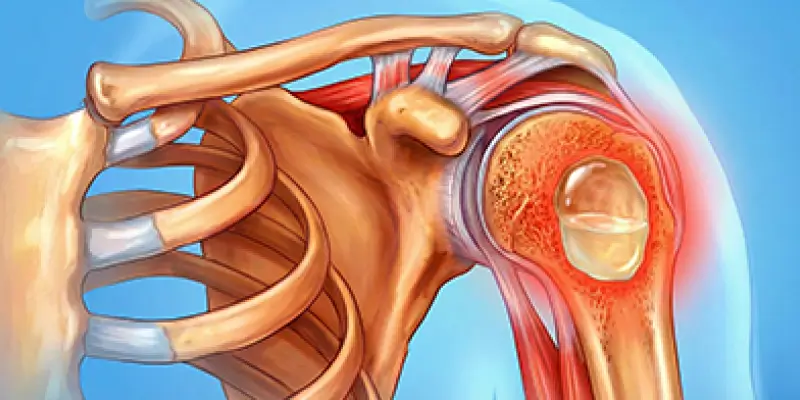
What Is a Bone Cyst?
A bone cyst is a benign cavity that forms inside bone tissue and is filled with fluid or a gel-like substance. Bone cysts are not cancer; over time, however, they can grow, disrupt the structural integrity of the bone, weaken the bone, and increase fracture risk substantially. Although they are common especially in childhood and adolescence, they can appear at any age. They most often settle in the thigh bone (femur), the upper arm bone (humerus), and the long bones around the knee. They are often found incidentally on an X-ray or MRI taken for another reason, but in progressing cases they can present with pain, swelling, and sudden bone fractures.
Bone cysts develop as fluid-filled cavities that take the place of the normal spongy structure inside the bone. This reduces the strength of the bone and raises the risk of a pathologic fracture even during daily movements. Especially in children of growing age, they can negatively affect bone development and lead to deformities in the bone. For this reason, even though bone cysts are benign, they are an orthopedic disease that must be evaluated by a specialist physician.
Treatment of bone cysts is planned according to the size of the cyst, the bone it is in, the patient’s age, and the fracture risk. Small cysts that do not cause symptoms and do not seriously weaken the bone are usually followed at regular intervals with X-ray or MRI. Growing cysts that cause pain or carry a fracture risk, however, require active treatment. Treatment options include emptying the cyst with a needle, injecting drugs or substances that support bone healing into it, and surgically cleaning the cyst completely and filling the cavity with bone graft or synthetic bone fillers. These procedures enable the bone to strengthen again and return to its normal structure.
In conclusion, a bone cyst is a disease that can be treated successfully when diagnosed early. With regular follow-up and appropriate treatment, bone fractures can be prevented, pain can be brought under control, and the patient can live a healthy life. For this reason, if there is prolonged bone pain, unexplained swelling, or sudden bone fractures, an orthopedics and oncology specialist should always be seen.
What Are the Types of Bone Cyst?
Bone cysts are cavities inside bone tissue filled with fluid or blood and are most often benign lesions. Not every bone cyst, however, has the same features. Clinical course, growth rate, fracture risk, and treatment approaches change according to the type of cyst. For this reason, accurate diagnosis is extremely important for planning appropriate treatment.
1. Simple (Unicameral) Bone Cyst
A simple bone cyst is the type of bone cyst seen most often in childhood and adolescence. It usually forms near the growth plates of the upper arm bone (humerus) and the thigh bone (femur). It often causes no symptoms and is noticed with a fracture after a simple fall. Because the cyst thins the inside of the bone, it increases the risk of a “pathologic fracture.” Treatment often requires follow-up, injection, or surgery.
2. Aneurysmal Bone Cyst
An aneurysmal bone cyst is a rarer but more aggressive type of bone cyst. It contains blood-filled cavities and can expand rapidly in the bone. This causes swelling, pain, and limited motion. It is seen most often in the spine, pelvis, and long bones. If not treated early, it can create serious destruction in the bone.
3. Trauma-Related Bone Cysts
Some bone cysts can develop as a result of fluid accumulations that form inside the bone after previous trauma. These cysts can grow over time and cause bone weakness.
4. Other Rare Bone Cysts
Cystic structures can form inside bone in relation to some metabolic or developmental diseases. These cysts usually appear as part of other diseases.
Why Is Knowing the Type of Bone Cyst Important?
The type of bone cyst determines:
- Fracture risk
- Growth rate
- The form of treatment
- The likelihood of recurrence
For this reason, when a bone cyst diagnosis is made, detailed imaging and biopsy if needed should always be performed.
Why Does a Bone Cyst Form?
A bone cyst is a benign bone disease that develops with the appearance of fluid-filled cavities inside bone tissue. Although the exact cause of bone cysts is not always clearly known, more than one biological and mechanical factor is thought to play a role in their formation. Their being seen especially in childhood and adolescence shows that they are closely related to growing bone structure.
One of the most important causes is impaired circulation inside the bone. Normally, bone tissue is continuously nourished by blood and renews itself. If blood flow is not adequate in some regions, however, bone tissue weakens and fluid accumulation can start in this area, forming a bone cyst. This is seen more often especially at the ends of long bones.
Irregularities in the growth plates during bone development can also set the stage for bone cyst formation. While bones lengthen rapidly in childhood, structural weaknesses can appear in some regions, and these areas can over time turn into cystic cavities.
Trauma and repeated micro-impacts also play an important role in the formation of bone cysts. Especially in children and young people who play sports, small but continuous impacts to the bone can lead to damage in bone tissue, fluid accumulation, and cyst development. Cystic areas can also form inside the bone during the healing process after a previous bone fracture.
In some situations, genetic predisposition and biological factors can also affect bone cyst development. Especially in aneurysmal bone cysts, abnormal multiplication of cells inside the bone and irregular development of blood vessels can trigger cyst formation.
In conclusion, bone cysts most often appear with a combination of impaired circulation inside the bone, growth processes, and trauma. Even though they are benign, because they can weaken the bone and lead to fractures, early diagnosis and specialist physician follow-up are of great importance.
What Are the Symptoms of a Bone Cyst?
Symptoms of a bone cyst vary depending on the size of the cyst, the bone it is in, and how much it has weakened the bone. Many bone cysts cause no complaint for a long time and are found incidentally on an X-ray or MRI taken for another reason. As the cyst grows, however, bone tissue thins, and this can lead both to pain and to sudden bone fractures. For this reason, bone cysts can follow a silent course in the early period, while in later stages they can cause serious orthopedic problems.
1. Bone Pain That Does Not Go Away
The most common symptom of a bone cyst is bone pain that increases especially with movement or when load is applied. This pain is usually felt in the region where the cyst is located and can intensify over time. Cysts that form in the thigh, arm, and bones around the knee can cause obvious pain during daily activities.
2. Swelling and Hardness
If the bone cyst is in a bone close to the surface, swelling or a hard mass under the skin may be noticed. This swelling can sometimes be mildly painful and can grow over time.
3. Limited Motion
If the cyst is in a bone close to a joint, pain and stiffness can appear during joint movements. This can make daily movements such as walking, raising the arm, or squatting harder.
4. Sudden Bone Fractures
Because bone cysts weaken the bone, even a small blow or a simple fall can lead to a fracture. These fractures are called “pathologic fractures” and are one of the most serious complications of a bone cyst.
5. Deformity
Especially in children, growing bone cysts can disrupt the normal development of the bone and cause curvature or deformities.
When Should a Doctor Be Seen?
Prolonged bone pain, unexplained swelling, limited motion, or sudden fractures should always be investigated for a bone cyst. Early diagnosis reduces fracture risk and provides recovery with simpler treatment methods.
How Is a Bone Cyst Diagnosed?
Accurate diagnosis of a bone cyst is of great importance both for identifying the type of disease and for evaluating fracture and progression risk. Bone cysts can give images similar to some bone tumors. For this reason, the diagnostic process should always be carried out with detailed clinical evaluation and advanced imaging methods.
1. Evaluation of the Patient’s Complaints
The diagnostic process starts with listening to the patient’s history of pain, swelling, limited motion, or sudden fracture. Unexplained bone pain or fractures that form after simple trauma, especially in children and young patients, are an important warning sign for a bone cyst.
2. X-ray
The first and most important imaging method in diagnosing a bone cyst is X-ray. Round or oval areas on X-ray that look empty inside the bone suggest a bone cyst. The size of the cyst, how much it has weakened the bone, and fracture risk are evaluated with X-ray.
3. Magnetic Resonance Imaging (MRI)
MRI shows the inner structure of the bone cyst, its fluid content, and its relationship with surrounding tissues in detail. It is especially important in distinguishing aggressive cysts such as an aneurysmal bone cyst.
4. Computed Tomography (CT)
CT is used to evaluate how much the cyst has thinned the cortical structure of the bone and the fracture risk. It is often preferred before surgical planning.
5. Biopsy
If the diagnosis is not clarified with imaging methods, or if a malignant bone tumor is suspected, a biopsy is performed. A small tissue sample taken from inside the cyst is sent for pathologic examination. In this way the exact type of bone cyst is identified.
The Importance of Accurate Diagnosis
Accurate diagnosis of a bone cyst prevents unnecessary operations, reduces fracture risk, and enables selection of the most appropriate treatment method. For this reason, every cystic lesion found inside bone should always be evaluated by a specialist orthopedics and oncology physician.
How Is a Bone Cyst Treated?
Treatment of a bone cyst is planned according to the type of cyst, its size, the bone it is in, the patient’s age, and the fracture risk. Not every bone cyst is treated in the same way. Some small, stable cysts are only followed, while some may require surgical intervention. The main aim of treatment is to prevent weakening of the bone, reduce fracture risk, and eliminate pain.
1. Follow-up and Observation
Small bone cysts that do not cause symptoms and do not seriously weaken the bone are usually followed with regular X-ray or MRI check-ups. Especially in children, some simple bone cysts can shrink over time or disappear on their own. During this process, the patient is advised to avoid heavy sports and reduce load on the bone.
2. Injection Treatment Inside the Cyst
In medium-sized bone cysts, a needle is used to enter the cyst, the fluid is emptied, and drugs or substances that support bone healing are injected in its place. The most commonly used methods are cortisone injection or substances that stimulate bone formation. This method gives successful results especially in simple bone cysts.
3. Surgical Treatment (Curettage and Grafting)
In large bone cysts that cause pain or have a high fracture risk, surgical treatment is needed. During the operation the cyst is cleaned completely (curettage is performed) and the cavity that forms is filled with bone graft or synthetic bone fillers. In this way the bone strengthens again and returns to its normal structure.
4. Treatment of Cysts Together with a Fracture
If a fracture related to a bone cyst has formed, the fracture and the cyst are treated together. The fracture is stabilized, the cyst is cleaned, and the bone is strengthened. This reduces the risk of another fracture.
5. Treatment of Aneurysmal Bone Cyst
Because aneurysmal bone cysts are more aggressive, surgical treatment is most often needed. In some situations, embolization or special injection methods may also be used.
The Process After Treatment
After bone cyst treatment, follow-up with regular imaging is essential. Some cysts can recur. Recurrences caught early are treated more easily and permanent bone damage is prevented.
Is a Bone Cyst Dangerous?
Bone cysts are most often benign formations and do not turn directly into cancer. This does not mean, however, that bone cysts are completely harmless. Untreated or unfollowed bone cysts can grow over time, weaken the bone, and lead to serious pain and sudden bone fractures. For this reason, bone cysts are orthopedic diseases that must be taken seriously from a medical point of view.
Whether a bone cyst is dangerous varies according to the type of cyst, its size, the bone it is in, and the patient’s age. Large cysts located especially in load-bearing regions of the body such as the thigh bone, the upper arm bone, and the spine can reduce the strength of the bone and cause a fracture even during a simple fall or a sudden movement. These fractures are called pathologic fractures, and the healing process can be harder than with normal fractures.
Some cyst types such as aneurysmal bone cysts can follow a more aggressive course. These cysts can grow rapidly inside the bone, put pressure on surrounding tissues, and cause swelling and serious pain. If untreated, permanent damage and deformities can develop in the bone. Especially in children, bone cysts located near the growth plates can disrupt the normal lengthening of the bone and lead to long-term problems such as shortening of a leg or arm.
Bone cysts can also be confused with some bone tumors. For this reason, every cystic structure seen inside bone should always be evaluated by a specialist physician. Incorrect diagnosis or delayed treatment can cause a more serious underlying disease to be missed.
In conclusion, even though bone cysts are most often benign, they can lead to serious complications if left uncontrolled. With early diagnosis, regular follow-up, and appropriate treatment when needed, the risks a bone cyst can create can largely be eliminated. For this reason, it is of great importance that people who experience bone pain, swelling, or a sudden bone fracture see an orthopedics and oncology specialist without delay.
Conclusion
A bone cyst is an important bone disease that, even though it is most often benign, can lead to serious orthopedic problems when neglected. These cysts, which develop as fluid-filled cavities inside bone, weaken the bone over time, cause pain, and increase the risk of pathologic fracture substantially. Bone cysts located especially in the thigh bone, the upper arm bone, and around joints can negatively affect daily quality of life and lead to limited motion.
Impaired circulation inside the bone, irregularities during the growth process, and trauma play an important role in the formation of bone cysts. Because the disease often does not cause symptoms in the early period, it can be noticed late. Prolonged bone pain, unexplained swelling, and fractures that form after simple falls, however, should always be investigated for a bone cyst.
Accurate diagnosis made with X-ray, MRI, and biopsy when needed identifies the type of bone cyst and the risk it creates, enabling selection of the most appropriate treatment method.
Bone cyst treatment is planned individually as follow-up, injections inside the cyst, and surgical methods. In bone cysts diagnosed early and treated correctly, the success rate is quite high. With appropriate treatment, the bone strengthens again, fracture risk decreases, and the patient can return to a healthy life. Regular follow-up after treatment is of great importance for catching the possibility of the cyst recurring in the early period.
In conclusion, a bone cyst is a disease that can be brought under control when intervention is timely. If neglected, however, it can lead to permanent bone damage, deformities, and recurrent fractures. For this reason, anyone who experiences signs such as bone pain, swelling, or a sudden fracture seeing a specialist orthopedic physician without delay is a critical step for a healthy future.
Frequently Asked Questions
Frequently Asked Questions
No. Bone cysts are most often benign and do not turn into cancer. Because they weaken the bone, however, they must be followed.
Some small bone cysts, especially in children, can shrink over time. Most bone cysts, however, require doctor follow-up.
Yes. As the cyst grows it creates pressure in the bone and can cause pain that increases with movement.
Yes. Because bone cysts weaken the bone, a fracture can form even with small blows.
Not every bone cyst requires surgery. Small cysts can be observed; large and high-risk cysts are treated surgically.
Yes. Some bone cysts can form again after treatment, so regular check-ups are important.
Yes. They are seen more often especially in children of growing age and in adolescents.
It depends on the size of the cyst. In patients with a fracture risk, heavy sports should be avoided.
A bone cyst is diagnosed with certainty by X-ray, MRI, and biopsy if needed.
Over time it can grow, weaken the bone, and lead to pain, deformity, and recurrent fractures.
 WhatsApp
  Facebook
  Twitter
  Linkedin




 +90 505 398 34 34
 doctoryavuzarikan@gmail.com
 Book Appointment / Contact