

Avascular Necrosis Treatment (Core Decompression)


What Is Avascular Necrosis?
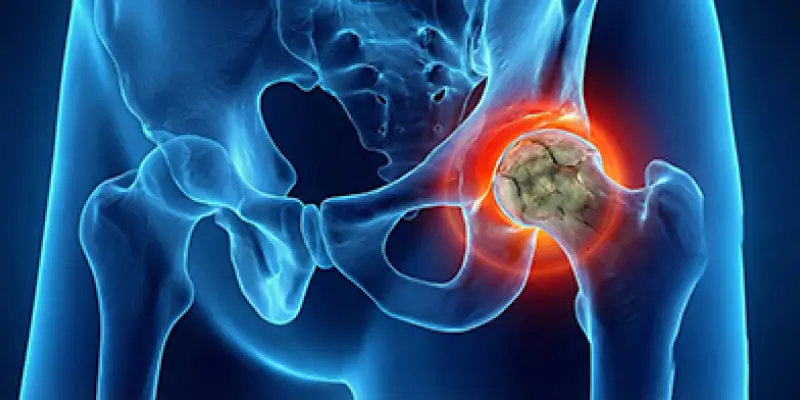
Avascular necrosis is a serious orthopedic disease that appears when bone tissue loses its vitality as a result of reduced or completely cut blood circulation to the bone. When blood flow is disrupted, bone cells cannot receive enough oxygen and nutrients, they die over time, and bone structure begins to weaken. When this situation progresses, collapse occurs in the bone and the joint surface is disrupted.
Avascular necrosis is seen most in the hip joint, especially in the femoral head, the head of the thigh bone. Apart from this, it can also appear in load-bearing joints such as the shoulder, knee, and ankle. The disease progresses insidiously at the beginning and may not give symptoms in the early period. As bone tissue weakens, however, complaints such as hip pain, groin pain, limited motion, and difficulty walking appear.
The basic problem in this disease is damage to the bone’s own inner vessel system. Cortisone use, alcohol, trauma, clotting disorders, and some rheumatic diseases can lead to blockage of these vessels and start avascular necrosis. Over time the bone’s load-bearing strength decreases and collapse risk appears especially in load-bearing joints such as the hip.
If avascular necrosis is not diagnosed early, the joint surface is disrupted and permanent damage forms. At this stage patients experience serious difficulty in daily life and major surgical procedures such as hip replacement are often needed. When diagnosis is made in the early stage, however, the vitality of the bone can be protected with joint-preserving treatments such as core decompression.
Why Does Avascular Necrosis Form?
Avascular necrosis appears as a result of damage or blockage of the small vessels that provide blood supply to the bone. Bone tissue needs continuous oxygen and nutrient support to sustain its vitality. When this circulation is disrupted, bone cells die, bone structure weakens, and collapse develops over time. Many medical and environmental factors start this process.
At the head of the most common causes is long-term cortisone use. Cortisone used after asthma, rheumatic diseases, immune-system diseases, and organ transplantation changes fat metabolism inside the bone. This situation leads to blockage of small vessels and disrupts nutrition of the bone. Similarly, excessive alcohol consumption also causes an increase in fat cells inside bone marrow and leads to narrowing of the vessels.
Hip fractures, dislocations, and serious trauma can cause harm to the main vessels going to the bone. When the vessels that feed the femoral head in particular are damaged, avascular necrosis can develop rapidly in the hip joint. Circulation disorders related to trauma are usually seen in young patients and can show a progressive course in the early period.
In some people, clotting disorders make it harder for blood to flow in small vessels. This situation leads to blockage of the capillaries inside the bone and reduces blood supply. Lupus, rheumatoid arthritis, and some connective-tissue diseases also affect vessel structure and increase avascular-necrosis risk.
Chemotherapy and radiotherapy used in cancer treatments can reduce the renewal capacity of bone cells. As a result, the bone’s ability to repair itself weakens, and when combined with circulation disorder, necrosis can develop. In some patients, avascular necrosis can also appear without any obvious cause; this situation is called idiopathic avascular necrosis.
The common point of all these factors is disruption of the microscopic vessel structure inside the bone. When blood flow is cut, bone tissue loses its vitality and the joint surface collapses over time. Checks done in the early period in people with risk factors are therefore of great importance in preventing progression of avascular necrosis.
What Is Core Decompression?
Core decompression is a modern surgical treatment applied in the early stages of avascular necrosis, aimed at protecting the joint. In this procedure the aim is to reduce the increased pressure inside the bone, restore blood circulation, and encourage healing of bone tissue that has begun to die. It is applied most often for the hip joint, but it can also be preferred in other joints such as the shoulder, knee, and ankle.
In avascular necrosis, blood flow inside the bone is disrupted. This situation causes pressure in the bone marrow to increase, and the already weakened vessels are compressed further. During core decompression, thin channels are opened into the bone so that this inner pressure is lowered. A suitable environment is thus created for new vessels to grow into the bone tissue, and transport of oxygen and nutrients starts again.
In this procedure, not only is pressure reduced, but necrotic—that is, dead—bone tissue is also reached. In some patients this space is filled with bone graft, biological filling materials, or stem-cell-supported applications. The bone’s capacity to renew itself is thus increased and the risk of bone collapse is reduced.
Core decompression is effective especially in patients whose bone surface has not yet collapsed. If the bone head has begun to collapse, because the joint surface is disrupted this method is not enough on its own. Early diagnosis of avascular necrosis therefore directly affects the success of core decompression treatment.
Thanks to this method, the patient’s own joint is protected, pain decreases, and the need for major operations such as hip replacement can be delayed. Especially in young and active patients, core decompression plays an important role in protecting hip functions for many years.
To Whom Is Core Decompression Applied?
Core decompression is one of the most effective treatment options for patients in the early stages of avascular necrosis whose joint structure has not yet been disrupted. This method is applied especially in periods when the bone carries a collapse risk, but the joint surface can still be protected. The aim is to enable the bone to sustain its vitality and to delay more advanced surgical procedures.
This treatment is preferred most in patients with hip avascular necrosis. People whose femoral head has not yet collapsed, but in whom a circulation disorder has been found on MRI, are ideal candidates for core decompression. Intervention done in the early stage can postpone the need for hip replacement for years.
Patients in the young and middle-age group are the group that benefits most from this method. In these patients the bone’s healing capacity is higher, and protecting the joint provides a much greater long-term advantage. Especially in people who lead an active life, play sport, or are physically mobile, protecting their own joint is the priority goal.
Core decompression is also frequently preferred in avascular necrosis that develops in people with cortisone use, alcohol consumption, rheumatic diseases, or previous hip trauma. If the circulation disorder is noticed early in these patients, the chance of bone tissue recovering itself is high.
In patients whose bone head has collapsed, whose joint surface is disrupted, and who have advanced pain and limited motion, core decompression is not enough. In these situations, more comprehensive surgical treatments such as hip replacement are usually needed.
Correct patient selection is the most important determinant of core decompression success. With early diagnosis, correct staging, and appropriate surgical planning, this method offers a strong joint-preserving option in the treatment of avascular necrosis.
How Is Core Decompression Surgery Performed?
Core decompression surgery is a minimally invasive procedure that aims to protect the vitality of the bone in the treatment of avascular necrosis. This method is applied especially in patients with hip avascular necrosis in whom bone collapse has not yet started. The aim is to lower the pressure inside the bone, increase blood circulation, and provide healing of bone tissue.
Before surgery the patient is assessed in detail. The location, size, and stage of the necrosis are determined with X-ray and especially MRI. These images help plan precisely which point will be treated and to what depth.
Surgery is usually done under spinal or general anesthesia. The patient is laid on their back and the surgical field is prepared in a sterile way. With the help of a special imaging system (fluoroscopy), the necrotic region in the femoral head is targeted to the millimeter. A small skin incision is made from the outer side of the thigh bone, and a controlled channel is opened into the bone with a thin drill.
This channel is advanced as far as the necrotic region whose blood supply is disrupted. Thanks to this opened path, pressure inside the bone decreases and a suitable environment is provided for new vessels to form. In some patients this space is filled with bone graft, biological filling materials, or stem-cell-supported materials so that bone healing is supported further.
The procedure usually lasts between 30 and 60 minutes and does not require a large incision. After surgery the patient is got up in a short time, but full load is not given to the hip in the first weeks. The opened bone channel thus heals safely and blood supply forms again.
When applied in early-stage avascular necrosis, core decompression can prevent collapse of the bone, reduces pain, and offers an effective treatment option that delays the need for hip replacement.
Advantages of Core Decompression
Core decompression is one of the most important joint-preserving surgical methods applied in the treatment of avascular necrosis. The greatest advantage of this procedure is that it enables the patient to continue life with their own joint by protecting the natural structure of the bone and joint. This method offers a great advantage especially in young and active patients with hip avascular necrosis.
One of its most important benefits is that it delays the need for hip replacement. When avascular necrosis progresses, the bone head collapses and the joint surface is disrupted. In this situation replacement surgery becomes inevitable. When core decompression is applied in the early stage, it reduces collapse risk by increasing blood supply to the bone again and can postpone the process leading to replacement for years.
This method also reduces hip pain. When the pressure inside the bone is lowered, the pressure on the nerve endings that cause pain decreases. Patients usually feel relief in a short time and can do their daily movements more comfortably.
Core decompression is a minimally invasive procedure. It is applied through a small incision, creates less tissue damage than major operations, and recovery time is shorter. Patients are usually discharged in a short time and can return to daily life more quickly.
This treatment method encourages bone healing by natural means. Thanks to the opened channels, formation of new blood vessels speeds up and the bone tissue’s capacity to renew itself increases. This effect can be strengthened further with stem-cell or bone-graft-supported applications.
Joint range of motion is also protected. Because bone collapse is prevented, the hip joint preserves its natural shape and the long-term risk of stiffness, deformity, and loss of function decreases.
With all these features, core decompression is a modern surgical option that is both effective and joint-preserving in the treatment of early-stage avascular necrosis.
The Recovery Process After Surgery
The recovery process after core decompression surgery is of great importance for the success of avascular necrosis treatment. In this period, re-supply of blood to the bone, healing of the opened channels, and self-repair of bone tissue are targeted. The patient’s compliance with the doctor’s recommendations directly determines the lasting effect of treatment.
After surgery, patients are usually discharged within 1 day. In the first days, mild pain, swelling, and tenderness in the hip region may be seen. This is normal and is controlled with the painkillers given. The most important point is that excessive load is not given to the operated hip in the early period.
For the first 4–6 weeks the patient walks with partial load using crutches. This period supports healing of the bone along the opened channels and formation of new vessels. Excessive loading can increase collapse risk in the weakened region of the bone. The amount of loading is therefore increased gradually by the doctor.
Physiotherapy and exercise programs are an indispensable part of the recovery process. Exercises that strengthen the muscles around the hip and protect joint range of motion help both reduce pain and regain walking balance. Regular exercise enables the hip joint to work in a healthy way.
After about 6–8 weeks, most patients can return more comfortably to daily activities. Long walks, climbing stairs, and sit-to-stand movements become more comfortable. The bone’s re-supply of blood is followed with MRI and X-ray checks.
Because smoking and alcohol use adversely affect bone circulation, they should be avoided in the recovery period. Balanced nutrition and adequate protein, vitamin D, and calcium intake support bone repair.
With appropriate care and regular follow-up, the hip joint can be protected for many years after core decompression and progression of avascular necrosis can be slowed to a large extent.
Are There Risks of Core Decompression?
Core decompression is a safe, effective surgical method applied in the treatment of avascular necrosis. As with every surgical procedure, however, this treatment also has some risks and possible complications. These risks are usually low and can be reduced to a large extent with correct patient selection.
One of the most frequently encountered risks is infection. Redness, swelling, increased warmth, or discharge in the surgical area can be a sign of infection. When noticed in the early period, it can be brought under control with antibiotic treatment.
Another possibility is inadequate bone healing. Formation of new vessels around the opened channels may not take place at the same speed in every patient. Especially in those who smoke, patients with diabetes, and people with circulation disorders, bone healing can be slower.
Rarely, continued bone collapse can be seen. If avascular necrosis is in an advanced stage or the necrosis area is wide, core decompression may not be enough to save the bone completely. In this situation hip replacement may be needed in the later period.
In some patients, pain may increase temporarily after surgery. The reason is intervention inside the bone and the start of the healing process. This pain usually decreases in a short time and is not lasting.
Very rarely, fracture risk can form in the region where the channel opened into the bone is. Not giving excessive load in the early period after surgery is therefore of great importance.
Despite all these risks, in patients with early-stage hip avascular necrosis, core decompression is one of the most effective methods that protect the joint and delay the need for replacement. When applied at the right time and in the appropriate patient, the success rate is quite high.
Is Core Decompression a Lasting Solution?
Core decompression is a method that aims to protect the vitality of the bone and keep the joint healthy for as long as possible in the treatment of avascular necrosis. This treatment can give extremely effective, long-term results especially when applied while the disease is in the early stage. Its lasting effect, however, is directly related to the stage of disease and the healing capacity of bone tissue.
In patients with early-stage hip avascular necrosis, core decompression done while the bone surface has not yet collapsed can provide re-supply of blood to the bone. When new vessel formation starts, bone tissue repairs itself and the weakened region strengthens. Bone collapse can thus be prevented and the hip joint protected for many years.
Because this treatment does not change the mechanical structure of the bone, the joint’s natural movements continue. That is, the patient continues life with their own hip joint. This situation is a great advantage especially for young and active people. Major surgical procedures such as hip replacement can become unnecessary for a long time.
Core decompression, however, is not a method that completely eliminates avascular necrosis. If bone collapse has started or the necrosis area is very wide, this procedure may not be enough on its own. In such situations the joint surface can be disrupted over time and replacement may be needed in the later period.
The lasting effect of surgery is directly connected to regular follow-up, avoiding smoking and alcohol use, weight control, and compliance with the recommended exercises. When attention is paid to these factors, the recovery obtained after core decompression can be protected for many years and progression of avascular necrosis can be slowed to a large extent.
Core Decompression or Hip Replacement?
One of the most frequently asked questions in the treatment of avascular necrosis is whether core decompression or hip replacement is the more correct option. These two methods are preferred in different situations according to the stage of disease, the size of bone damage, and the patient’s lifestyle.
Core decompression is a treatment aimed at protecting the joint, applied before collapse has started in the hip bone. In this method the aim is to reduce the pressure inside the bone and help the bone repair itself by providing formation of new blood vessels. In patients with early-stage hip avascular necrosis, core decompression can prevent collapse of the bone and delay the need for hip replacement for years. Especially in young and active individuals, protecting their own joint is a great advantage.
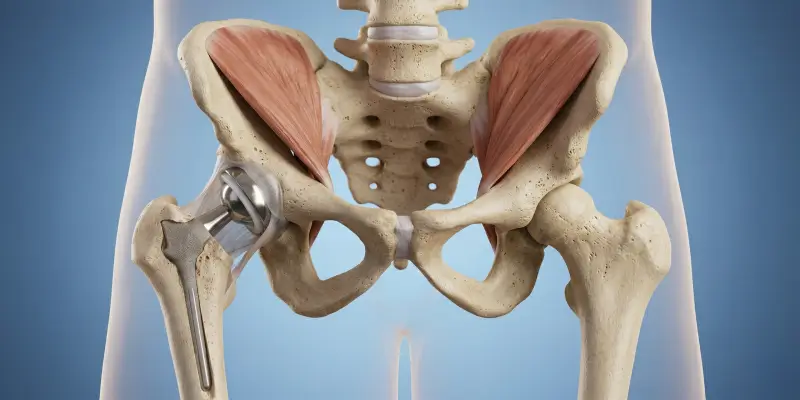
Hip replacement, on the other hand, is preferred in patients whose bone surface has collapsed, whose joint structure is disrupted, and in whom lasting pain has appeared. In this method the damaged bone and cartilage are completely removed and an artificial joint is placed. Replacement largely eliminates pain and restores mobility. Because implants have a limited lifespan, however, there is a risk of needing another operation in later years in young patients.
Because core decompression is an approach that protects the natural hip joint, it is assessed first in early-stage patients. Hip replacement is the most effective solution in late-stage avascular necrosis cases, when the joint surface has collapsed and daily life is seriously affected.
The correct treatment choice should therefore be determined by taking magnetic resonance imaging (MRI), the extent of bone damage, and the patient’s life expectancy into account. In avascular necrosis diagnosed early, the need for hip replacement can often be postponed for a long time with core decompression.
Conclusion
Avascular necrosis is an important orthopedic disease that especially affects the hip joint and, as a result of disrupted blood circulation of the bone, can lead over time to collapse and serious joint damage. If it is not noticed in the early period, it shows a progressive course and can cause lasting limited motion and a serious fall in quality of life. Correct diagnosis and appropriate treatment applied in time are therefore of great importance.
At this point, core decompression is one of the most effective surgical methods aimed at protecting the joint in the treatment of early-stage avascular necrosis. Thanks to reduction of the pressure inside the bone and encouragement of new vessel formation, the bone’s self-repair process is started. When this method is applied before bone collapse has started, it can protect the hip joint and delay the need for hip replacement for many years.
Core decompression is extremely advantageous especially in young, active patients with early-stage hip avascular necrosis. Protection of the natural joint, continuation of mobility, and avoidance of a major replacement operation are among the most important gains of this treatment. In the advanced stage, if bone structure is disrupted and the joint surface has collapsed, hip replacement becomes a more lasting, pain-relieving solution.
Treatment success is directly related to factors such as the stage of disease, the size of the necrosis area, the patient’s lifestyle, smoking and alcohol use, and compliance with the postoperative process. With regular follow-up, compliance with load restrictions, and physiotherapy support, the recovery obtained after core decompression can be protected for many years.
In conclusion, early diagnosis of avascular necrosis and core decompression treatment applied in the right patient are a modern, effective approach that significantly increases the patient’s quality of life by protecting the hip joint. Early intervention is the key to delaying the need for replacement and being able to use the natural joint for a long time.
Frequently Asked Questions
Frequently Asked Questions
Avascular necrosis is a disease that appears when bone tissue loses its vitality as a result of disrupted blood circulation of the bone. It most often affects the hip joint and, if untreated, can lead to bone collapse.
Long-term cortisone use, alcohol consumption, trauma, some rheumatic diseases, and circulation disorders are the most common causes of hip avascular necrosis.
Core decompression is the opening of small channels into the bone with avascular necrosis so that pressure is reduced and new vessel formation is encouraged. The aim is to save the bone and prevent collapse.
This treatment is applied to patients with early-stage hip avascular necrosis in whom bone collapse has not started. It is preferred first especially in young and active individuals.
It usually lasts between 45 and 90 minutes, and most patients are discharged within a few days.
Yes, but load restriction is applied in the first weeks. Healing of the bone is protected by using crutches or a walker.
When applied in the early stage, it can provide lasting recovery for many years and delay the need for hip replacement. In the advanced stage, however, it may not be enough on its own.
Pain after surgery usually decreases clearly within a few weeks and can disappear completely as recovery progresses.
In early-stage avascular necrosis, core decompression is preferred. If the bone has collapsed and the joint is disrupted, hip replacement is a more appropriate option.
If the bone does not heal or collapse progresses, hip replacement surgery may be needed in the later period.
Smoking and alcohol use should be avoided, the load restrictions given by the doctor should be followed, and physiotherapy exercises should be done regularly.
It is rare in the same region, but if underlying causes continue it can be seen again in different regions. Regular follow-up is therefore very important.
 WhatsApp
  Facebook
  Twitter
  Linkedin





 +90 505 398 34 34
 doctoryavuzarikan@gmail.com
 Book Appointment / Contact