

Bone Tumor Symptoms: Night Pain, Swelling, and Fractures


Bone Tumor Symptoms
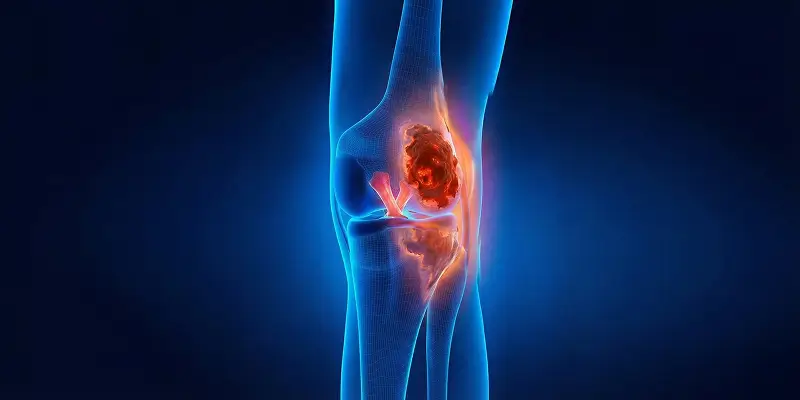
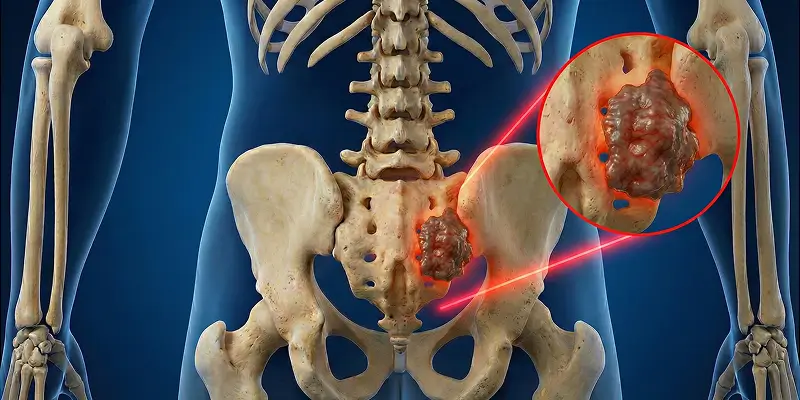
Bone tumors are abnormal cell growths in bone tissue. They may be benign or malignant. Both types can produce different bone tumor symptoms. Early diagnosis is essential for effective treatment. The main symptoms of bone tumors include:
What Are the Symptoms of a Bone Tumor?
The most common symptom is pain. Pain that starts mild and intermittent can become constant over time. Pain that increases at night can disrupt sleep.
Swelling and tenderness in the tumor area are common. The swelling can press on nearby tissues and cause discomfort. Roughness or irregularity on the bone surface deserves attention.
Bone tumors can sit in a way that restricts movement. Tumors around the shoulder, hip, and knee can reduce joint motion. Patients may have difficulty with daily activities.
Tumors that weaken bone can cause fractures even during ordinary activity. These fractures usually follow low-energy trauma and show that the bone structure has been weakened.
In later stages, some bone tumors can cause systemic signs such as fever and weight loss. These symptoms may indicate that the body is responding to the tumor.
Malignant tumors that affect the bone marrow can reduce red blood cell production and cause anemia. Anemia symptoms include fatigue, pale skin, and shortness of breath.
Because symptoms vary, bone tumors can be mistaken for many other health problems. If the signs above appear, seeing an orthopedic oncology specialist is important. Early diagnosis and a treatment plan play a major role in controlling the disease.
Have regular check-ups to protect your health and detect disease early. Health comes first; pay attention to unusual changes in your body.
PROF. DR. YAVUZ ARIKAN
Frequently Asked Questions
Frequently Asked Questions
Pain is the most common symptom. It may start mild and intermittent, then become constant and especially worse at night.
Yes. Swelling, tenderness, and irregularity on the bone surface may be felt in the affected area. These findings are important warning signs.
Tumors near joints such as the shoulder, hip, or knee can cause limited motion and difficulty with daily activities.
A fracture after low-energy trauma or a simple movement is called a pathologic fracture. It can mean the bone has been weakened by a tumor.
In advanced or aggressive disease, fever, weight loss, and fatigue can occur. Prompt evaluation is needed.
If a bone tumor is suspected, evaluation by an orthopedics and traumatology specialist experienced in orthopedic oncology is recommended.
 WhatsApp
  Facebook
  Twitter
  Linkedin





 +90 505 398 34 34
 doctoryavuzarikan@gmail.com
 Book Appointment / Contact