

Adamantinoma: A Rare Tumor of the Tibia


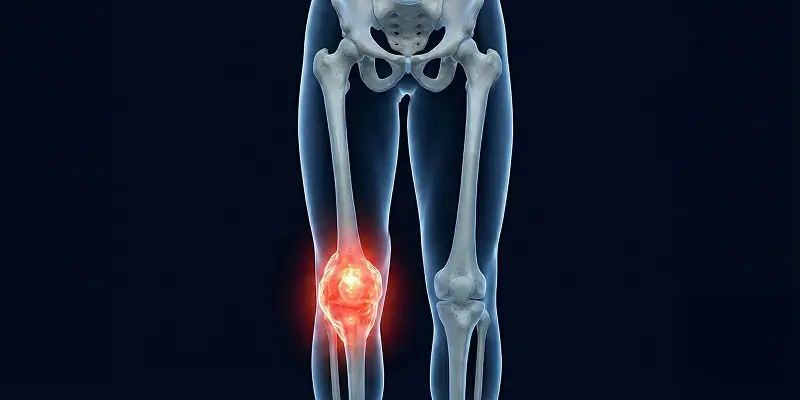
Adamantinoma: A Rare Tumor Type
What Is Adamantinoma?
Adamantinoma is a rare tumor that usually appears in long bones, especially the tibia (shinbone) and femur. Because of its infiltrative growth, it can invade locally, and it is more common in young adults.
Adamantinoma accounts for only 1–2% of all bone tumors and is seen mostly in young adults (usually ages 20–40). There is no marked difference between men and women.
Adamantinoma Symptoms
Clinical signs vary with tumor size, location, and the degree of invasion:
- Pain: The most common symptom is pain that gradually worsens
- Swelling: Noticeable swelling can develop in the affected area
- Limited motion: Tumor growth can restrict movement
- Skin changes: Redness or increased warmth may appear
- Systemic symptoms: In advanced stages, fever and a decline in general health
Diagnostic Methods
In addition to clinical findings, several methods are used to diagnose adamantinoma:
- X-ray: Basic first-line imaging
- Computed tomography (CT): For detailed assessment of tumor structure
- Magnetic resonance imaging (MRI): To evaluate soft-tissue invasion
- Biopsy: Pathologic examination for a definitive diagnosis
Treatment Options
The approach depends on tumor size, location, and the patient’s overall health:
- Surgery: The main treatment is complete removal of the lesion
- Bone graft: For reconstruction after surgery
- Prosthetic implantation: For large bone defects
- Adjuvant therapy: Radiotherapy or chemotherapy in some cases
Prognosis and Follow-up
Prognosis varies with lesion size, response to treatment, and other clinical factors. Long-term survival after surgery is possible. The chance of recurrence, however, requires careful monitoring and treatment.
Regular radiologic follow-up and clinical evaluation are important for detecting recurrence early. A multidisciplinary approach (orthopedic oncologist, radiologist, pathologist) is critical for patients with adamantinoma.
Conclusion
Adamantinoma is a rare tumor with distinctive histopathologic features. It usually appears in young people, is recognized with clinical findings and imaging, and surgery is the most important treatment option.
Early diagnosis and choosing the right treatment improve survival and quality of life. Detailed evaluation of these special cases within oncology, with professional judgment and a strategic approach, is essential.
Frequently Asked Questions
Frequently Asked Questions
Adamantinoma is a rare, slow-growing malignant bone tumor that usually involves the tibia (shinbone). It accounts for about 1–2% of all bone tumors and most often appears between ages 20 and 40.
The most common symptoms are gradually increasing pain, swelling, limited motion, and redness or warmth in the area. In later stages, fever and a decline in general condition can also occur.
X-ray, computed tomography (CT), and magnetic resonance imaging (MRI) are used. Biopsy is required for a definitive diagnosis.
The main treatment is complete surgical removal of the tumor. Reconstruction with bone graft or a prosthesis is used when needed; radiotherapy or chemotherapy may be added in some patients.
The risk of recurrence is high. Long-term clinical and radiologic follow-up after surgery is therefore very important.
For rare bone tumors such as adamantinoma, multidisciplinary evaluation with an orthopedics and traumatology specialist experienced in orthopedic oncology is recommended.
 WhatsApp
  Facebook
  Twitter
  Linkedin





 +90 505 398 34 34
 doctoryavuzarikan@gmail.com
 Book Appointment / Contact