

What Is Bone Metastasis? Fracture-Prevention Surgery in Cancer Patients


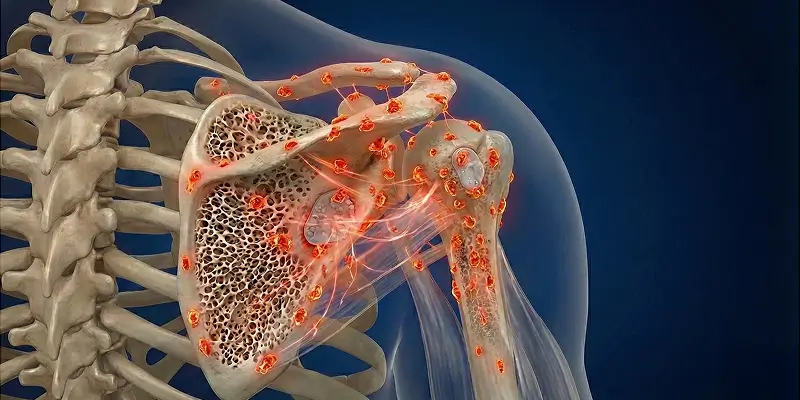
Extremity Metastases
Metastasis is the spread of cancer cells from the original tumor to other parts of the body. This process occurs through the bloodstream or the lymphatic system.
Extremity metastases describe cancer that settles in the spine and in the limbs—the arms and legs. These metastases usually appear at an advanced stage of metastatic disease.
Definition and Features of Extremity Metastases
Common primary cancers include breast cancer, lung cancer, and kidney cancer. These metastases typically present as lesions on the limb surface or in deep tissues.
Patients may present with pain, swelling, and limited motion. Metastatic lesions usually retain the histopathologic features of the original cancer, which is important for diagnosis. Treatment depends on the size and number of metastases and the patient’s overall health.
Causes of Extremity Metastases
The main cause is spread of cancers that originated elsewhere in the body. Several factors influence metastasis:
Cancer type: Some cancers metastasize more readily than others. Extremity metastases are seen especially in breast, lung, and melanoma.
Patient factors: Age, sex, general health, and immune status play an important role in the development of metastatic disease.
Cellular characteristics: The biological features of cancer cells determine their ability to metastasize. More invasive cells are more successful at spreading to other tissues.
Diagnostic methods
Diagnosis of extremity metastases is usually based on physical examination of suspicious lesions and imaging. Main methods include:
Physical examination: Based on symptoms and complaints, the doctor can assess masses and pain in the extremities.
Imaging methods:
- X-ray: Often used to detect bone lesions and structural changes.
- CT (computed tomography): Provides more detailed images and is useful for examining internal structure.
- MRI (magnetic resonance imaging): Ideal for evaluating soft tissues and better visualizing the extent of metastasis.
- PET (positron emission tomography): Assesses metabolic activity and locates cancer cells.
Biopsy: Tissue samples taken to determine the nature of the lesions are critical for confirming the diagnosis.
Treatment options
Treatment of extremity metastases depends on cancer type, stage, and the patient’s overall health. Main options include:
Surgical intervention: If metastatic lesions are concentrated in a defined area, surgical removal may be planned. This can reduce pain and help preserve limb function.
Chemotherapy: Drugs that target cancer cells are often used in metastatic disease.
Radiotherapy: High-energy radiation is used to shrink or destroy lesions. It is also effective for pain management.
Targeted therapy: Personalized cancer treatment has become a new option for many patients in recent years. Treatment can be planned according to genetic testing of cancer-cell features.
Immunotherapy: This approach strengthens the immune system so it can attack cancer cells more effectively.
Extremity metastases are a challenging part of cancer care and directly affect quality of life. Modern imaging and treatment options have the potential to improve patients’ lives substantially.
Individualized treatment and a multidisciplinary approach can contribute to care and quality of life. Collaboration among all health professionals involved in advanced cancer treatment is critical so patients can live better.
This article aims to provide basic information on extremity metastases and raise awareness among clinicians and patients. Greater knowledge among doctors, patients, and researchers helps people benefit from evolving treatments and protect their health.
Frequently Asked Questions
Frequently Asked Questions
Bone metastasis is the spread of cancer from another organ to bone through blood or lymph. The spine and the bones of the arms and legs are commonly involved.
Breast, lung, and kidney cancers are common primary sources. Other cancers, such as melanoma, can also spread to extremity bones.
Pain, swelling, and limited motion are the most common symptoms. In advanced cases, the risk of pathologic fracture increases.
After examination, imaging such as X-ray, CT, MRI, and PET is used. Biopsy may be needed for confirmation.
Local surgery, radiotherapy, chemotherapy, targeted therapy, and immunotherapy may be used. The goals are to reduce pain, lower fracture risk, and preserve function.
Yes. A multidisciplinary plan is based on the primary tumor type, the extent of spread, and the patient’s overall condition.
 WhatsApp
  Facebook
  Twitter
  Linkedin




 +90 505 398 34 34
 doctoryavuzarikan@gmail.com
 Book Appointment / Contact